

Protecting your hardscape investment requires more than just choosing quality pavers during installation. The best rated paver sealer provides essential protection against Florida's intense UV rays, humidity, rainfall, and daily wear while enhancing the natural beauty of your outdoor surfaces. Whether you've recently completed a patio installation or you're restoring an older driveway, selecting the right sealer determines how long your pavers maintain their color, structural integrity, and visual appeal. With dozens of products claiming superior performance, understanding what separates exceptional sealers from mediocre options helps Central Florida homeowners make informed decisions that protect their outdoor living spaces for years to come.
Understanding Paver Sealer Types and Their Performance
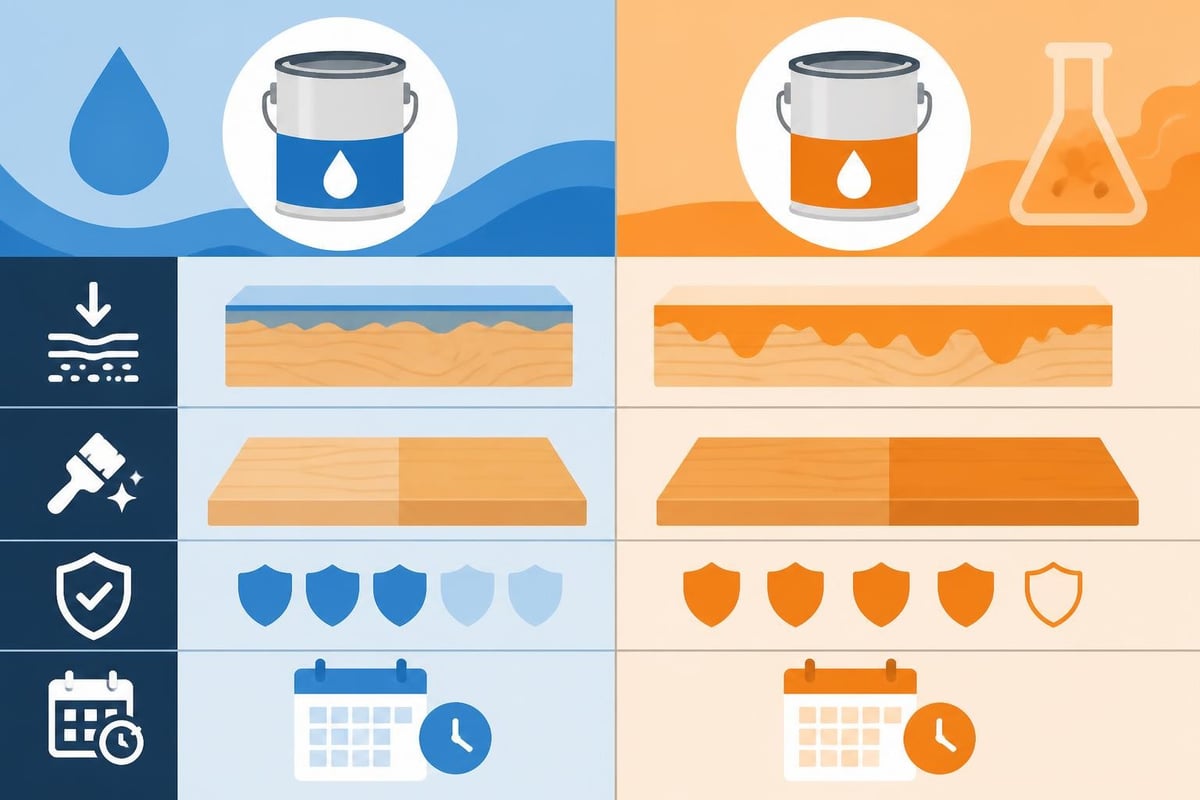
The paver sealing industry has evolved significantly, offering homeowners multiple formulations designed for specific aesthetic preferences and protection requirements. Water-based acrylic sealers represent the most popular category, providing UV protection, color enhancement, and moderate stain resistance with easier application and lower odor compared to solvent-based alternatives.
Solvent-based acrylic sealers deliver deeper color enrichment and stronger adhesion, making them ideal for high-traffic areas like driveways. These formulations penetrate more effectively into porous surfaces and typically last longer between reapplications. However, they require careful ventilation during application and produce stronger fumes.
Penetrating Sealers Versus Film-Forming Products
Penetrating sealers absorb into the paver surface without creating a visible topcoat, offering protection from within while maintaining a natural, matte appearance. These products excel at preventing moisture intrusion and salt damage while allowing pavers to breathe, which proves particularly valuable in Florida's humid climate.
Film-forming sealers create a protective layer on top of the paver surface, delivering high-gloss or wet-look finishes that dramatically enhance color saturation. According to expert reviews of brick paver sealers, these products provide superior stain protection but require more maintenance and may show wear patterns in high-traffic zones.
| Sealer Type | Finish | Durability | Maintenance | Best Application |
|---|---|---|---|---|
| Water-Based Acrylic | Satin to Low-Gloss | 2-3 years | Moderate | Patios, walkways |
| Solvent-Based Acrylic | Medium to High-Gloss | 3-5 years | Low | Driveways, commercial |
| Penetrating | Natural/Matte | 3-7 years | Very Low | All applications |
| Urethane | High-Gloss | 5-8 years | High | Pool decks, showcase areas |
Key Features That Define Top-Rated Sealers
When evaluating the best rated paver sealer options, performance characteristics matter more than brand recognition. UV stability stands as the most critical feature for Central Florida applications, where intense sunlight causes unsealed pavers to fade within months and inferior sealers to yellow or deteriorate rapidly.
Breathability prevents moisture from becoming trapped beneath the sealer film, which can lead to efflorescence, spalling, and premature degradation. The comprehensive paver sealer guide emphasizes that high-quality products balance surface protection with vapor transmission, allowing water vapor to escape while blocking liquid water penetration.
Chemical Resistance and Stain Protection
Premium sealers incorporate advanced polymers that resist common contaminants like oil, grease, fertilizer, and tannins from organic debris. This chemical resistance proves essential for driveway applications where automotive fluids pose constant threats and for patio areas where grilling, dining, and planters create staining opportunities.
- Oil and grease repellency: Critical for driveway surfaces
- Organic stain resistance: Prevents discoloration from leaves, mulch, and soil
- Efflorescence prevention: Blocks salt migration that creates white crystalline deposits
- Mold and mildew inhibition: Reduces biological growth in shaded, damp areas
The molecular structure of top-performing sealers creates a hydrophobic barrier that causes water and oil-based substances to bead and roll off the surface rather than penetrating into the paver material. This characteristic extends cleaning intervals and reduces long-term maintenance requirements significantly.
Application Methods and Coverage Rates
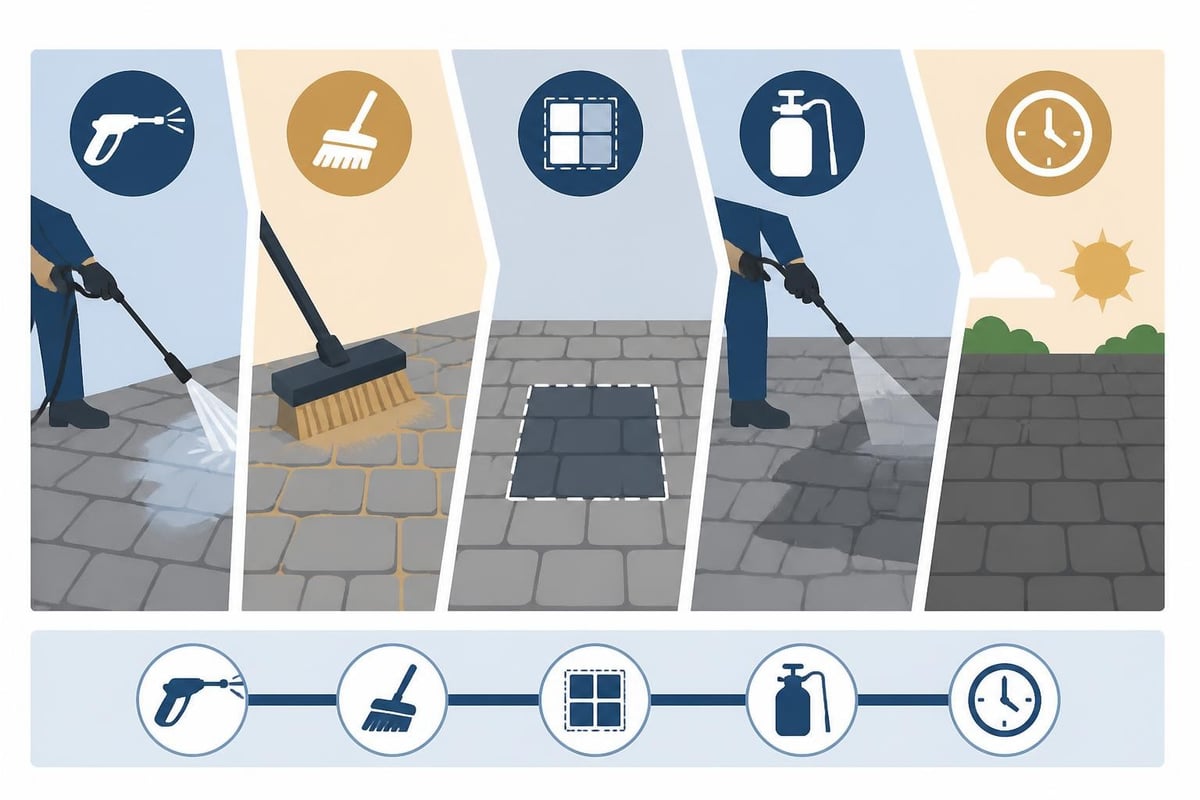
Successful sealer performance depends equally on product quality and proper application technique. Surface preparation represents the foundation of any durable sealing project, requiring thorough cleaning to remove all dirt, organic growth, efflorescence, and previous sealer residue before applying new products.
Professional applicators typically use pump sprayers for even distribution, followed by roller application to eliminate puddles and ensure uniform coverage. Application best practices emphasize maintaining wet edges during application to prevent lap marks and applying thin, even coats rather than heavy single applications.
Calculating Coverage and Cost Per Square Foot
Coverage rates vary significantly based on paver porosity, surface texture, and sealer formulation. Most manufacturers specify ranges between 100-300 square feet per gallon, but actual consumption often differs from these estimates.
Highly porous pavers like tumbled or natural stone absorb substantially more sealer than smooth, dense concrete pavers. First-time applications typically require more product than maintenance recoating since virgin surfaces absorb sealer more readily than previously sealed ones.
- Clean and prepare the surface completely (48-72 hours before sealing)
- Test coverage on a small area to determine actual consumption rates
- Apply first coat at recommended thickness using appropriate tools
- Allow proper drying time between coats (typically 2-4 hours)
- Apply second coat perpendicular to the first for even coverage
- Cure for 24-48 hours before allowing foot traffic
- Wait 72 hours minimum before vehicle traffic
Top-Performing Products and Their Specific Advantages
The best rated paver sealer products in 2026 demonstrate proven performance across diverse climate conditions and usage patterns. Acrylic-based formulations continue dominating the residential market due to their balance of protection, aesthetics, and user-friendly application characteristics.
According to comprehensive sealer reviews, solvent-based products deliver superior longevity and color enhancement but require more expertise during application. These sealers work exceptionally well for paver restoration projects where dramatic color revival creates the most impact.
Water-Based Versus Solvent-Based Performance
Water-based sealers offer environmental advantages with lower VOC emissions, easier cleanup, and reduced health concerns during application. These products have improved dramatically over the past decade, now delivering durability that approaches solvent-based alternatives while maintaining easier application characteristics.
Solvent-based formulations penetrate deeper into paver surfaces, creating stronger molecular bonds that resist wear and weathering more effectively. The enhanced penetration proves particularly valuable for heavily textured or porous pavers where surface-level protection provides insufficient defense against moisture intrusion.
| Product Category | VOC Content | Penetration Depth | Color Enhancement | Typical Lifespan |
|---|---|---|---|---|
| Water-Based Economy | Low | Shallow | Minimal | 1-2 years |
| Water-Based Premium | Low | Moderate | Moderate | 2-3 years |
| Solvent-Based Standard | High | Deep | Strong | 3-4 years |
| Solvent-Based Premium | High | Very Deep | Very Strong | 4-5 years |
| Hybrid Formulations | Medium | Deep | Strong | 3-5 years |
Durability Factors and Longevity Expectations
Realistic expectations about sealer lifespan prevent disappointment and help homeowners budget for ongoing maintenance. The best rated paver sealer products typically last between two and five years in Central Florida's challenging climate, though actual performance varies based on multiple environmental and usage factors.
Traffic intensity directly impacts sealer wear rates, with high-traffic driveways requiring more frequent reapplication than lightly used walkways or decorative patio borders. Vehicle turning movements create particularly aggressive wear patterns that accelerate sealer breakdown in specific zones.
Environmental Stress and Degradation Patterns
Florida's combination of intense UV radiation, high humidity, frequent rainfall, and temperature fluctuations creates one of the most demanding environments for paver sealers nationwide. Products that excel in moderate climates often fail prematurely when exposed to Central Florida's extreme conditions.
The detailed analysis of sealer types demonstrates that UV stabilizers and weather-resistant polymers separate products that maintain protective properties for years from those that deteriorate within months. Premium formulations incorporate advanced additives specifically designed to withstand prolonged sun exposure without yellowing, chalking, or losing adhesion.
- UV degradation: Sunlight breaks down polymer chains over time
- Moisture cycling: Repeated wet-dry cycles stress the sealer film
- Thermal expansion: Heat causes expansion and contraction that can create microcracks
- Biological attack: Algae, mold, and mildew growth can compromise sealer integrity
- Chemical exposure: De-icers, fertilizers, and pool chemicals accelerate breakdown
Professional paver restoration and maintenance services include thorough inspection of existing sealer condition to determine whether cleaning and resealing provides adequate protection or whether complete sealer removal and fresh application delivers better long-term value.
Aesthetic Considerations and Finish Options
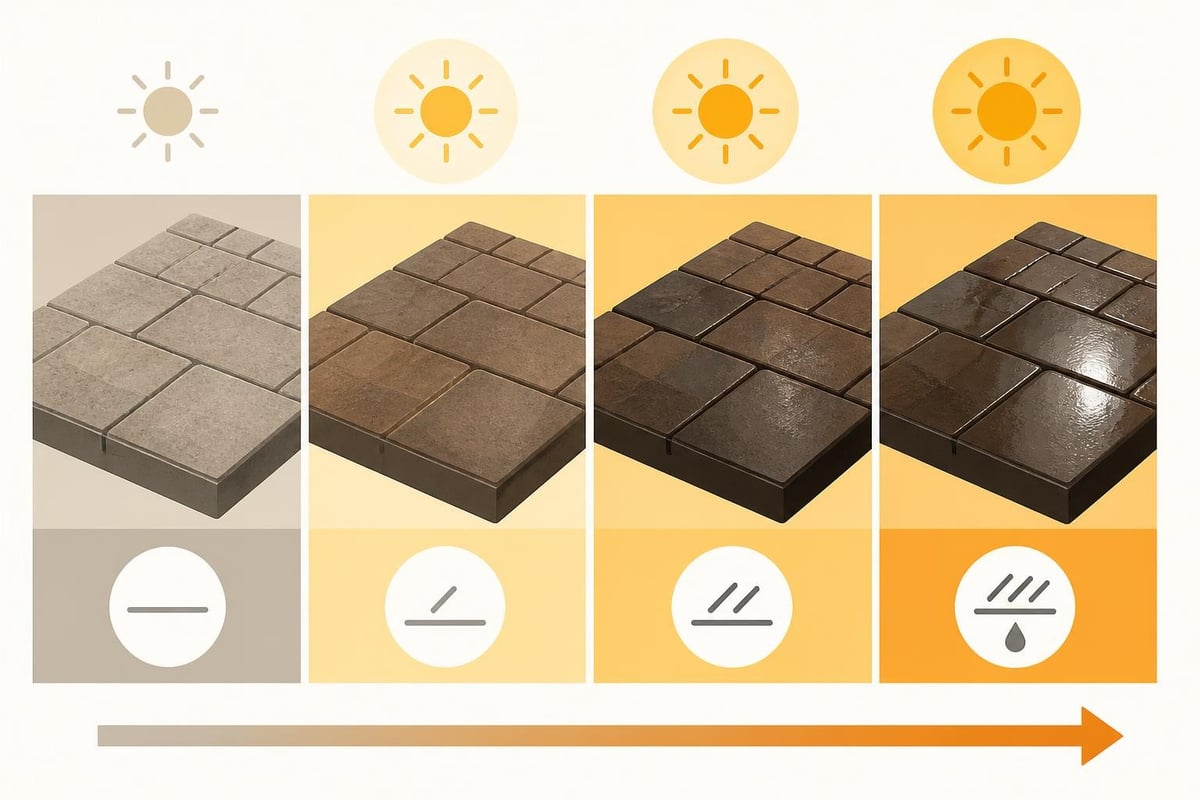
Beyond protection, the best rated paver sealer choices dramatically influence the visual character of your outdoor spaces. Finish level ranges from natural matte appearances that maintain the original paver look to high-gloss wet looks that create dramatic color saturation and reflective surfaces.
Natural or matte finishes appeal to homeowners preferring subtle enhancement that protects pavers without dramatically altering their appearance. These products typically use penetrating sealers or very thin film-forming applications that provide protection while maintaining the pavers' original texture and color depth.
Color Enhancement and Saturation Effects
Sealers enhance paver color through two primary mechanisms: optical effects from the transparent film layer and actual darkening from penetrating oils and polymers. The degree of enhancement depends on both the sealer formulation and the base paver material characteristics.
Porous pavers like natural stone, tumbled concrete, and clay brick show more dramatic color changes than dense, smooth pavers. According to expert guidance on sealer selection, this variation requires testing on inconspicuous areas before full application to ensure the final appearance meets expectations.
High-gloss finishes create the most dramatic transformations, often called the "wet look" because sealed pavers appear perpetually damp. While visually striking, these finishes also show dirt, footprints, and wear patterns more readily than lower-sheen alternatives, requiring more frequent cleaning to maintain optimal appearance.
Joint Sand Stabilization and Weed Prevention
Premium sealers provide critical secondary benefits beyond surface protection by stabilizing joint sand and preventing weed growth between pavers. Joint stabilization occurs when sealer penetrates into the sand-filled gaps, creating a semi-rigid matrix that resists erosion from rain, wind, and pressure washing.
This stabilization dramatically reduces the maintenance burden associated with unsealed pavers, where joint sand constantly washes away and requires frequent replacement. Proper joint filling before sealing is essential to maximize stabilization benefits and prevent sealer from pooling in gaps.
Polymeric Sand Integration
Many professional installers combine polymeric sand with quality sealers to achieve maximum joint stability and weed resistance. Polymeric sand contains additives that activate when moistened, creating strong bonds between sand particles that resist erosion far better than standard silica sand.
When sealer application follows proper polymeric sand installation, the combination creates an exceptionally durable joint system that prevents weed germination, insect intrusion, and sand displacement. This integrated approach proves particularly valuable for paver installation projects where long-term performance and minimal maintenance represent primary concerns.
- Remove all existing joint sand and debris
- Clean pavers thoroughly and allow complete drying
- Install polymeric sand according to manufacturer specifications
- Activate polymeric sand with light misting
- Allow complete curing (typically 24-48 hours)
- Apply sealer following standard procedures
- Maintain recommended resealing intervals to preserve joint stability
Maintenance Requirements and Resealing Schedules
Even the best rated paver sealer products require periodic maintenance and eventual reapplication to sustain optimal protection and appearance. Cleaning frequency affects sealer lifespan significantly, with regular removal of dirt, organic debris, and contaminants preventing premature degradation.
Pressure washing represents the most common cleaning method but requires careful technique to avoid damaging the sealer film. Excessive pressure or holding the nozzle too close to the surface can strip sealer prematurely, necessitating more frequent reapplication and increasing long-term maintenance costs.
Recognizing When Resealing Becomes Necessary
Visual indicators help homeowners determine optimal resealing timing before protection completely fails. Water absorption provides the most reliable test: sealed pavers should shed water in beads, while unsealed or inadequately sealed surfaces absorb moisture rapidly, causing darkening where water penetrates.
Color fading represents another clear signal that sealer protection has diminished below effective levels. When pavers begin returning to their original unsealed appearance or showing uneven color distribution, resealing should be scheduled promptly to prevent damage from unprotected exposure.
- Faded or uneven color: Indicates UV degradation of sealer film
- Water absorption: Shows loss of hydrophobic properties
- Increased staining: Demonstrates reduced chemical resistance
- Joint sand erosion: Signals breakdown of stabilization
- Surface roughness: Reveals film wear from traffic and weathering
The instructional video on proper application demonstrates techniques that maximize initial sealer performance and extend the interval between maintenance applications, providing long-term cost savings through reduced product consumption and labor requirements.
Common Application Mistakes and How to Avoid Them
Even premium sealers fail when applied incorrectly, making proper technique as important as product selection. Insufficient surface preparation represents the most common error, with residual dirt, efflorescence, or previous sealer preventing proper adhesion of new applications.
Temperature and humidity conditions during application significantly impact sealer performance and curing characteristics. Most manufacturers specify ideal application temperatures between 50-90°F with relative humidity below 70%, though specific requirements vary by formulation.
Surface Preparation Best Practices
Complete cleaning extends beyond simple pressure washing to include targeted treatment of specific contaminants. Oil stains require degreasing agents, efflorescence demands acidic cleaners, and organic growth necessitates antimicrobial treatments before sealer application.
According to common mistakes highlighted by professionals, rushing the drying process after cleaning causes some of the most frustrating failures. Pavers must achieve complete dryness before sealing, typically requiring 24-48 hours in Florida's humid conditions and potentially longer after heavy cleaning or rain.
Application thickness errors create problems in both directions. Too-thin applications provide inadequate protection and require premature recoating, while excessive sealer creates thick films prone to peeling, yellowing, and showing traffic wear patterns. Following manufacturer-specified coverage rates and applying multiple thin coats rather than single heavy applications produces optimal results.
| Common Mistake | Consequence | Prevention Strategy |
|---|---|---|
| Incomplete cleaning | Poor adhesion, early failure | Use appropriate cleaners, allow drying time |
| Wet pavers at application | Clouding, adhesion failure | Test moisture, wait for complete drying |
| Wrong temperature | Poor film formation | Check forecast, apply during ideal conditions |
| Thick single coat | Peeling, yellowing, wear marks | Apply two thin coats instead |
| Insufficient joint sand | Sand erosion, unstable pavers | Fill joints completely before sealing |
Professional Application Versus DIY Approaches
While many homeowners successfully apply paver sealer themselves, professional application offers distinct advantages in terms of efficiency, equipment quality, and results consistency. Experience with product behavior helps professionals avoid common pitfalls that compromise DIY projects, from selecting inappropriate products to applying sealer under suboptimal conditions.
Professional equipment including commercial-grade sprayers, specialized rollers, and power washing systems enables more even application and better surface preparation than consumer-grade tools. The efficiency gains become particularly significant for large areas like driveways where uneven application or premature drying creates visible lap marks and inconsistent protection.
Cost-Benefit Analysis of Professional Services
Initial cost savings from DIY sealing must be weighed against potential product waste, application errors requiring correction, and the value of time invested in learning proper techniques. Professional services include expertise in product selection, surface evaluation, and application methods refined through thousands of square feet of experience.
For Central Florida homeowners considering comprehensive updates to their outdoor spaces, professional services offer coordinated solutions that address multiple needs efficiently. Projects combining hardscape construction, paver restoration, and sealing benefit from integrated scheduling and consistent quality standards that DIY approaches struggle to match.
Selecting the Right Sealer for Your Specific Application
Different outdoor surfaces require different sealer characteristics based on usage patterns, aesthetic preferences, and performance priorities. Driveway sealers must prioritize chemical resistance, traffic durability, and UV stability over appearance enhancements, making solvent-based formulations particularly well-suited despite their higher cost and more complex application.
Patio and pool deck applications allow greater emphasis on aesthetic qualities like color enhancement and finish level since these areas typically experience lighter traffic and less chemical exposure. The best rated paver sealer for a pool deck may differ substantially from optimal driveway products, even within the same property.
Matching Products to Paver Materials
Clay brick pavers respond differently to sealers than concrete pavers or natural stone, requiring product selection based on porosity, color stability, and surface texture. Natural stone demands breathable sealers that prevent moisture trapping while protecting against staining from organic materials common in landscape settings.
Concrete pavers offer the widest sealer compatibility but show the most dramatic color changes with film-forming products. Testing on sample pavers or inconspicuous areas prevents disappointing results from products that create unexpected color shifts or finish levels on specific paver types.
- Clay brick: Use breathable sealers to prevent efflorescence
- Concrete pavers: Compatible with all sealer types
- Natural stone: Require specialized penetrating sealers
- Travertine: Need pH-neutral products to prevent etching
- Porcelain pavers: Benefit from minimal sealer application
Resources like the comparison of top sealers provide detailed specifications that help match product characteristics to specific paver materials and performance requirements, ensuring compatibility and optimal results.
Environmental and Health Considerations
Modern sealer formulations increasingly emphasize reduced environmental impact through lower VOC content, biodegradable ingredients, and safer application processes. Water-based products lead this trend with substantially lower emissions during application and curing compared to traditional solvent-based alternatives.
However, environmental friendliness must be balanced against performance requirements, particularly in demanding applications where product longevity and protective qualities prevent premature replacement and associated material consumption. A sealer requiring reapplication every year ultimately creates more environmental impact than a longer-lasting product with slightly higher VOC content.
Safe Application Practices
Proper ventilation during application protects both applicators and nearby occupants from fumes, with solvent-based products requiring particular attention to air circulation and respiratory protection. Personal protective equipment including gloves, safety glasses, and appropriate respiratory protection prevents direct contact with sealer chemicals during mixing and application.
Pet and plant safety considerations include blocking access to newly sealed areas until complete curing occurs and protecting vegetation from overspray or runoff during application. Most sealers become inert once fully cured, but the interim period requires careful management to prevent exposure to vulnerable household members and landscape elements.
Choosing the best rated paver sealer requires balancing protection requirements, aesthetic preferences, budget constraints, and application capabilities to find products that deliver lasting value for your specific outdoor surfaces. Whether you're protecting a newly installed driveway or restoring a weathered patio, quality sealers extend paver lifespan while enhancing beauty and reducing maintenance demands. Pink Palm Pavers provides professional paver restoration and sealing services throughout Central Florida, combining expert product selection with meticulous application techniques that maximize protection and appearance for driveways, patios, walkways, and pool decks backed by our 2-year warranty.

