

Driveway paving stones represent one of the most significant investments a homeowner can make in their property's exterior. Unlike traditional asphalt or concrete, paving stones offer unmatched durability, aesthetic versatility, and long-term value. For Central Florida homeowners, selecting the right driveway material means balancing climate considerations, design preferences, and budget constraints while ensuring the final result enhances both curb appeal and functionality for decades to come.
Understanding Driveway Paving Stone Materials
The foundation of any successful driveway project begins with material selection. Each type of paving stone brings distinct characteristics that affect appearance, performance, and maintenance requirements.
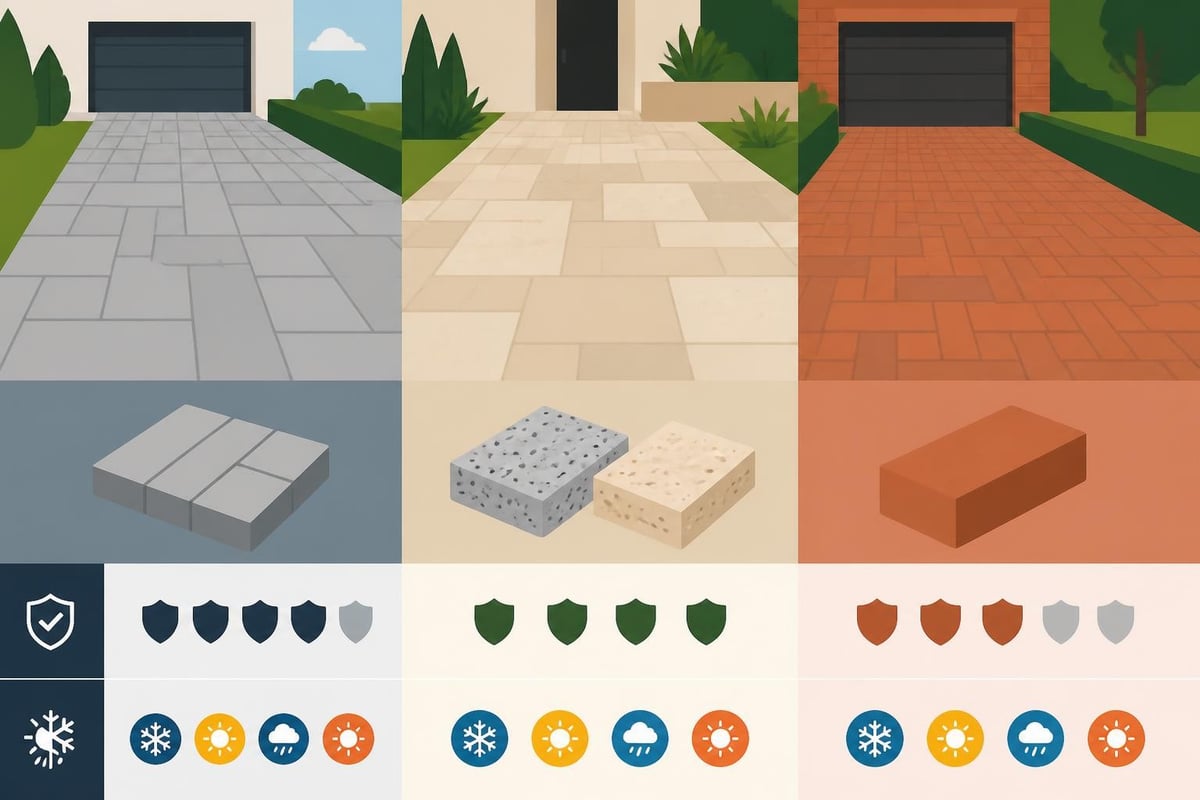
Concrete Pavers for Modern Driveways
Concrete pavers have become the most popular choice for residential driveways across the United States. These manufactured stones offer exceptional consistency in size, shape, and color, making installation more predictable and efficient. Concrete pavers come in hundreds of patterns and colors, from traditional brick reds to contemporary grays and earth tones.
Key advantages of concrete driveway paving stones include:
- Precise manufacturing tolerances for tight joints
- Wide variety of shapes: rectangular, square, hexagonal, and interlocking designs
- Color options that resist fading when properly sealed
- Cost-effectiveness compared to natural stone alternatives
- Engineered strength ratings suitable for vehicular traffic
Modern concrete pavers designed for driveways typically feature a minimum compressive strength of 8,000 psi, ensuring they withstand the weight of standard vehicles and occasional heavy loads. The controlled manufacturing process also guarantees uniform thickness, critical for proper drainage and structural integrity.
Natural Stone Options
Natural stone paving creates timeless elegance that manufactured products struggle to replicate. Materials like granite, travertine, and bluestone offer unique color variations and textures that make each installation distinctive.
Granite pavers deliver exceptional hardness and weather resistance, ideal for Florida's intense sun and occasional freeze events. Travertine provides a lighter, more Mediterranean aesthetic with natural cooling properties that reduce surface temperatures. However, natural stone typically costs 40-60% more than concrete alternatives and requires specialized installation expertise.
Clay Brick Pavers
Traditional clay brick pavers bring classic charm and proven longevity. These types of pavers have adorned driveways for centuries, developing rich patinas over time. Clay's natural composition means color penetrates throughout the entire paver rather than just the surface layer, ensuring appearance remains consistent even after minor chips or wear.
Clay brick excels in moisture management, naturally allowing water vapor to pass through while resisting surface water penetration. For Central Florida's humid climate, this breathability prevents moisture-related deterioration common in less porous materials.
Design Patterns and Layout Considerations
Pattern selection dramatically impacts both aesthetic appeal and structural performance. The arrangement of driveway paving stones affects load distribution, visual flow, and even the perceived size of your property.
Classic Herringbone Pattern
The 45-degree herringbone pattern stands as the gold standard for driveway installations. This interlocking arrangement distributes vehicle weight across multiple pavers simultaneously, minimizing individual stone stress and preventing shifting under heavy loads.
| Pattern Type | Load Distribution | Complexity | Best For |
|---|---|---|---|
| Herringbone | Excellent | Moderate | High-traffic driveways |
| Running Bond | Good | Low | Straight driveways |
| Basket Weave | Moderate | Low | Decorative sections |
| Circular | Variable | High | Focal points, turnarounds |
Running Bond and Stretcher Patterns
Running bond patterns, where pavers are laid in offset rows similar to brick walls, offer simpler installation while maintaining good structural integrity. This pattern works particularly well for long, straight driveways where the linear appearance creates visual length. Stretcher bond variations can incorporate contrasting border colors to define driveway edges and add visual interest.
Custom Design Elements
Contemporary installations often blend multiple patterns, creating distinct zones within a single driveway. Circular patterns around entry points, contrasting borders along edges, and integrated bands of soldier courses add architectural detail. For homeowners planning comprehensive outdoor renovations, coordinating driveway patterns with patio installations creates cohesive design flow throughout the property.
Installation Process and Base Preparation
Proper installation determines whether driveway paving stones last fifteen years or fifty. The process involves multiple critical steps that require precision and expertise.
Excavation and Grading
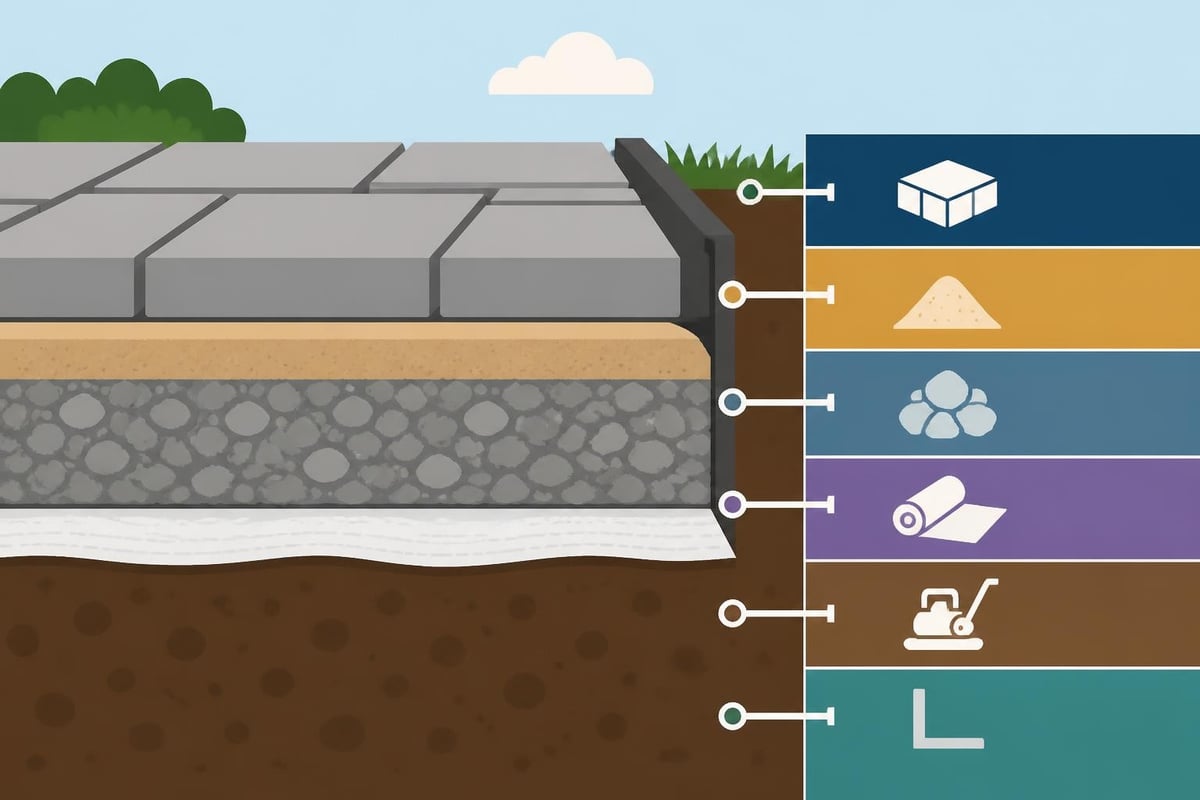
Installation begins with excavation to appropriate depth, typically 10-12 inches for residential driveways. This depth accommodates the base layer, bedding sand, and pavers while ensuring the finished surface sits at the correct elevation relative to garage floors and drainage requirements.
Professional grading establishes proper slope for water runoff, generally 1-2% grade away from structures. In Florida's flat terrain, careful attention to grading prevents standing water that accelerates deterioration and creates mosquito breeding grounds.
Base layer installation follows this sequence:
- Compact native soil to create stable subgrade
- Install geotextile fabric to prevent base migration
- Place 6-8 inches of crushed limestone or granite base
- Compact in 2-3 inch lifts to 95% density
- Add 1 inch bedding sand layer
- Screed sand to uniform thickness
Edge Restraint Systems
Edge restraints form the crucial perimeter that prevents paver migration. Professional installations use commercial-grade plastic or aluminum restraints anchored with 10-inch spikes every 12-16 inches. These hidden restraints maintain joint integrity far longer than visible concrete borders, which often crack and separate over time.
Paver Placement and Joint Sand
Individual pavers are placed in the chosen pattern, maintaining consistent 1/8-inch joints. Cutting perimeter pavers requires wet saws with diamond blades to achieve clean, professional edges. Once all pavers are placed, polymeric sand is swept into joints and activated with water misting.
Polymeric sand contains binding agents that harden when wet, creating locked joints resistant to erosion, weed growth, and insect infiltration. This innovation has revolutionized paver performance in regions like Central Florida where heavy rains once washed traditional sand from joints within months. For detailed technical installation guidelines, consulting manufacturer specifications ensures compliance with best practices.
Climate Considerations for Central Florida
Florida's unique climate presents specific challenges and opportunities for driveway paving stones. Understanding these factors helps homeowners make informed material and maintenance decisions.
Heat and UV Exposure
Central Florida's intense sunshine and high temperatures create surface conditions that can reach 140-160°F on summer afternoons. Light-colored pavers reflect more solar radiation, staying 15-20 degrees cooler than dark options. This consideration affects both barefoot comfort and long-term color stability.
Quality sealers with UV inhibitors protect against fading, though no material is completely immune to sun exposure. Concrete pavers with integral color (pigment throughout the entire paver) maintain appearance better than surface-colored products where wear reveals lighter concrete underneath.
Humidity and Moisture Management
Florida's humidity and frequent rainfall demand excellent drainage design. Permeable paver systems with wide joints allow water infiltration, reducing runoff and preventing surface flooding. Traditional close-jointed installations require proper base compaction and adequate slope to channel water away from structures.
Drainage performance factors:
- Joint width and sand type
- Base permeability and compaction
- Surface slope and grading
- Connection to stormwater systems
Homeowners in areas like Orlando, Winter Park, and Sanford should prioritize installations designed specifically for high-rainfall environments.
Organic Growth Prevention
Warm, humid conditions promote algae, moss, and mold growth on paver surfaces. Regular cleaning and periodic sealing create hostile environments for these organisms. Sealed pavers resist moisture penetration, limiting the damp conditions organic growth requires.
Professional paver restoration services address existing growth while establishing protective barriers against future colonization. This maintenance proves especially important in shaded driveway sections where sunlight doesn't naturally inhibit biological activity.
Maintenance and Long-Term Care
Driveway paving stones require regular maintenance to preserve appearance and structural integrity. Fortunately, required tasks are straightforward and manageable for most homeowners.
Routine Cleaning Protocols
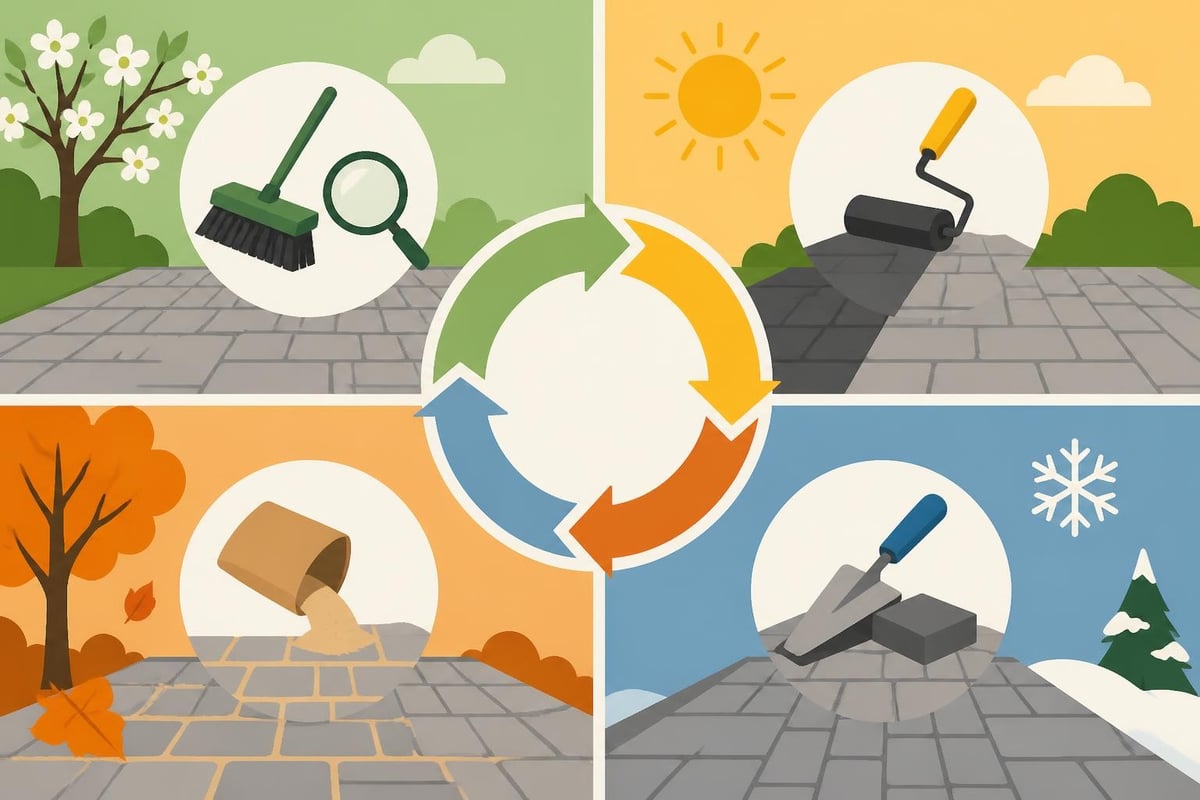
Basic maintenance involves sweeping debris weekly and pressure washing 2-3 times annually. Pressure washing removes surface dirt, organic stains, and early-stage biological growth before they become established. Use appropriate pressure settings (1500-2000 psi for residential pavers) to avoid damaging joint sand or paver surfaces.
For oil stains from vehicles, immediate treatment with absorbent materials followed by degreasing cleaners prevents permanent discoloration. Unlike concrete or asphalt where stains penetrate deeply, individual stained pavers can be replaced if cleaning proves insufficient.
Sealing for Protection and Enhancement
Professional sealing every 2-3 years provides multiple benefits beyond aesthetic enhancement. Quality sealers create barriers against:
- Oil and automotive fluid penetration
- Color fading from UV exposure
- Joint sand erosion from rain and traffic
- Weed seed germination in joints
- Efflorescence (white salt deposits)
Two sealer categories serve different purposes. Film-forming sealers create glossy, wet-look finishes while penetrating sealers provide matte protection without changing surface appearance. Expert guidance on sealing helps homeowners select appropriate products for their specific installation and aesthetic preferences.
Joint Sand Replenishment
Even with polymeric sand, joints gradually experience material loss from traffic, weather, and cleaning activities. Annual inspection identifies areas requiring sand addition. Proper joint filling maintains paver stability by preventing lateral movement and edge chipping from adjacent stone contact.
The process involves cleaning joints, ensuring they're completely dry, sweeping in fresh polymeric sand, and activating with controlled water application. This simple maintenance task prevents expensive repairs caused by shifting pavers and uneven surfaces.
Cost Analysis and Investment Value
Understanding the financial aspects of driveway paving stones helps homeowners budget appropriately and recognize long-term value beyond initial installation costs.
Material and Installation Investment
Driveway paving stone projects typically cost $12-$25 per square foot installed, varying with material selection, pattern complexity, and site conditions. A standard two-car driveway (600 square feet) represents an investment of $7,200-$15,000 for professional installation.
| Cost Component | Percentage of Total | Typical Range |
|---|---|---|
| Materials | 35-45% | $4.20-$11.25/sq ft |
| Labor | 40-50% | $4.80-$12.50/sq ft |
| Base Preparation | 10-15% | $1.20-$3.75/sq ft |
| Edge/Finishing | 5-10% | $0.60-$2.50/sq ft |
These figures reflect quality installations meeting engineering standards. Extremely low bids often indicate shortcuts in base preparation or material quality that compromise long-term performance.
Return on Investment Considerations
Real estate professionals consistently identify quality driveways among the top exterior improvements influencing buyer decisions. Well-maintained paver driveways can return 75-85% of installation costs in increased property value, with higher returns in upscale neighborhoods where such features are expected.
Beyond resale value, driveway paving stones offer practical financial benefits. Unlike asphalt requiring resurfacing every 8-12 years or concrete prone to cracking, properly installed pavers last 25-40 years with routine maintenance. When issues do occur, individual damaged pavers are replaceable without complete driveway reconstruction.
Lifetime Cost Comparison
Total ownership costs over 30 years reveal paver advantages. While initial installation exceeds asphalt or poured concrete, minimal repair costs and extended lifespan create favorable long-term economics:
- Asphalt: Initial $4-8/sq ft + resealing every 2-3 years + resurfacing twice = $14-20/sq ft total
- Concrete: Initial $6-12/sq ft + crack repairs + potential replacement sections = $12-18/sq ft total
- Pavers: Initial $12-25/sq ft + sealing 3-4 times + minor repairs = $15-28/sq ft total
When accounting for aesthetic superiority and repair flexibility, pavers deliver competitive lifetime value despite higher upfront investment.
Selecting the Right Professional Installer
Installation quality determines whether driveway paving stones achieve their performance potential. Choosing qualified professionals protects your investment and ensures long-term satisfaction.
Verification and Credentials
Licensed contractors carry proper insurance protecting homeowners from liability during installation. In Florida, hardscaping companies should hold appropriate state and local licenses, workers compensation coverage, and general liability insurance with minimum $1 million limits.
Request references from projects completed 3-5 years prior, allowing you to assess long-term performance rather than just initial appearance. Visit completed installations when possible, examining joint integrity, surface levelness, and drainage effectiveness.
Installation Methodology Assessment
Quality installers provide detailed specifications covering base depth, compaction methods, edge restraint systems, and drainage design. Be wary of contractors unable or unwilling to explain their processes. When choosing paver installation services, look for companies that follow industry best practices established by the Interlocking Concrete Pavement Institute.
Questions to ask potential installers:
- What base depth and compaction standards do you follow?
- What edge restraint system will you use?
- How do you address drainage and grading?
- What warranties cover materials and workmanship?
- Will you provide a written contract with detailed specifications?
Understanding Warranties and Guarantees
Comprehensive warranties demonstrate installer confidence in their work. Material warranties from paver manufacturers typically cover manufacturing defects for 25 years to lifetime. Installation warranties should cover workmanship for minimum 2-5 years, addressing issues like settling, shifting, or joint failure.
Read warranty terms carefully, noting exclusions and maintenance requirements. Some warranties void if homeowners fail to perform recommended maintenance or allow unauthorized parties to conduct repairs.
Design Integration with Overall Property
Successful driveway projects consider the broader landscape context, creating cohesive outdoor environments where hardscape elements complement architectural styles and landscape features.
Coordinating with Home Architecture
Choosing driveway paver designs starts with analyzing your home's architectural style. Traditional homes pair well with classic brick or tumbled pavers in warm earth tones. Contemporary architecture benefits from clean-lined rectangular pavers in cool grays or charcoals. Mediterranean and Spanish styles harmonize with travertine or earth-tone concrete in circular or fan patterns.
Color coordination extends beyond the home itself. Consider existing hardscape elements, roof colors, and landscape materials. Repeating accent colors from shutters or trim in paver borders creates intentional design continuity.
Transition Zones and Secondary Surfaces
Driveways rarely exist in isolation. Thoughtful design addresses transitions to walkways, front entries, and garage approaches. Using complementary paver styles in different sizes creates visual hierarchy while maintaining cohesion. For example, standard 4×8 inch pavers in the main driveway might transition to 6×6 inch squares in pedestrian walkways.
Homeowners in communities like Clermont and Apopka often extend paver treatments beyond driveways, incorporating matching materials in pool decks, outdoor kitchens, and seating areas. This comprehensive approach maximizes aesthetic impact and property value while simplifying long-term maintenance through material consistency.
Driveway paving stones offer Central Florida homeowners an unmatched combination of durability, beauty, and long-term value when properly selected, installed, and maintained. Understanding material options, installation requirements, and ongoing care needs empowers you to make decisions that enhance your property for decades. Whether you're planning a new installation or considering restoration of existing pavers, working with experienced professionals ensures results that meet both aesthetic aspirations and performance expectations. Pink Palm Pavers brings family-owned dedication and licensed expertise to every project across Orlando, Winter Park, Sanford, and surrounding Central Florida communities, delivering beautiful, durable outdoor spaces backed by our 2-year warranty.

