

Transforming outdoor spaces requires materials that combine durability, aesthetic appeal, and practical functionality. Landscaping bricks have remained a cornerstone of hardscaping design for centuries, offering homeowners versatile solutions for creating defined pathways, elegant patios, sturdy retaining walls, and striking garden borders. Whether you're planning a complete backyard renovation or adding simple garden edging, understanding the characteristics, installation requirements, and long-term care of these materials helps ensure your investment delivers lasting beauty and structural integrity. Central Florida's unique climate presents specific challenges and opportunities when working with brick in outdoor applications, making informed material selection and proper installation techniques essential for optimal results.
Understanding Landscaping Brick Materials
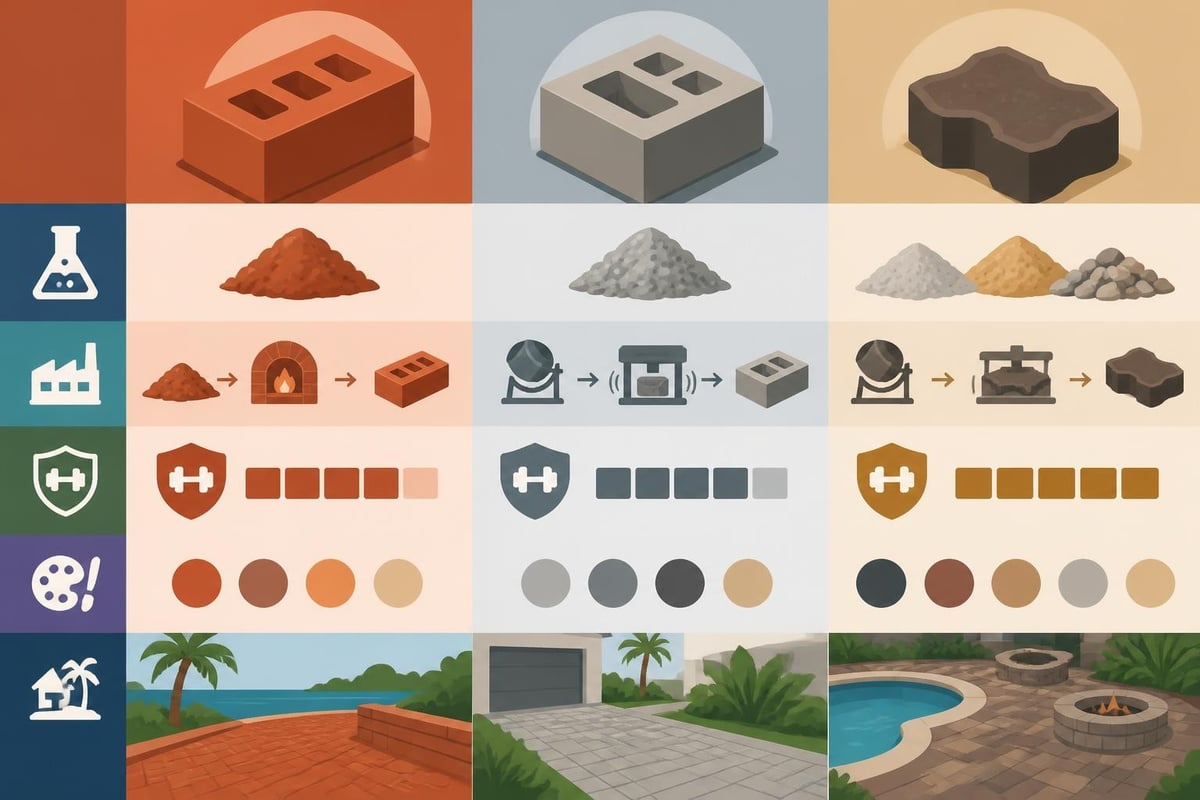
The term "landscaping bricks" encompasses several distinct material types, each offering unique properties suited to different applications and design preferences. Traditional clay bricks represent the classic choice, manufactured from natural clay fired at high temperatures to create dense, weather-resistant units. These bricks develop rich, natural color variations and age gracefully, developing a patina that many homeowners find appealing.
Concrete bricks provide another popular option, molded from cement mixtures and available in broader color ranges than clay alternatives. Modern manufacturing techniques allow concrete bricks to mimic natural stone textures while maintaining consistent dimensions and strength specifications. The choice between clay and concrete often depends on project requirements, budget constraints, and desired aesthetic outcomes.
Key material considerations include:
- Compressive strength ratings for load-bearing applications
- Water absorption rates affecting freeze-thaw durability
- Color consistency and fade resistance under UV exposure
- Surface texture impacting slip resistance and visual appeal
- Dimensional tolerances influencing installation complexity
Material Performance in Central Florida Climate
Florida's subtropical environment creates specific performance requirements for landscaping bricks. High humidity, intense summer heat, and seasonal rainfall patterns demand materials engineered to handle moisture exposure without deterioration. Unlike northern climates where freeze-thaw cycling poses the primary concern, Central Florida bricks must resist organic growth, efflorescence, and thermal expansion.
Quality landscaping bricks designed for Florida installations incorporate lower water absorption rates, typically below 8% by weight. This characteristic prevents moisture-related damage and reduces the likelihood of algae, mold, or mildew formation on exposed surfaces. According to Purdue University Extension guidance, proper material selection based on regional climate conditions significantly extends hardscape lifespan.
Design Applications and Planning
Landscaping bricks excel across numerous outdoor applications, each requiring specific design considerations and installation approaches. Walkways and pathways benefit from brick's natural slip resistance and ability to create curved or serpentine layouts that guide foot traffic through garden spaces. Standard running bond, herringbone, or basket weave patterns add visual interest while maintaining structural stability.
| Application Type | Typical Brick Dimensions | Base Depth Required | Drainage Considerations |
|---|---|---|---|
| Garden Edging | 4" × 8" × 2.25" | 2-4 inches | Minimal |
| Walkways | 4" × 8" × 2.25" | 4-6 inches | Moderate |
| Patios | 4" × 8" × 2.25" | 6-8 inches | High |
| Driveways | 4" × 8" × 2.25" | 8-12 inches | Critical |
Patios and entertainment areas require thicker base preparations to support furniture loads and foot traffic without settling. The Landscaping Network’s comprehensive guide outlines how proper foundation design prevents common issues like uneven surfaces and drainage problems that plague poorly planned installations.
Retaining walls and raised planters utilize landscaping bricks in vertical applications, where interlocking patterns and proper backfill drainage become critical. These structures must withstand lateral soil pressure while allowing water to escape through weep holes or drainage systems. Professional installation ensures walls remain plumb and stable through seasonal soil expansion and contraction cycles.
Integrating Bricks with Comprehensive Landscape Design
Successful outdoor spaces blend hardscape elements with plantings, turf areas, and architectural features into cohesive designs. Landscaping bricks serve as transitional elements between different zones, defining garden beds, separating artificial turf installations from planting areas, or creating visual boundaries along property lines.
Color selection plays a crucial role in achieving design harmony. Earth-tone bricks complement Mediterranean and Spanish Colonial architecture prevalent throughout Central Florida, while gray and charcoal options suit contemporary home styles. Mixing brick colors or incorporating accent borders adds dimensional interest without overwhelming landscape aesthetics.
Installation Methods and Best Practices
Proper installation determines whether landscaping bricks deliver decades of reliable performance or require premature repairs. The foundation represents the most critical component, requiring excavation to appropriate depths and compaction of base materials in layers. Sandy soils common across Central Florida demand special attention to prevent settling, often necessitating geotextile fabric installation before base material placement.
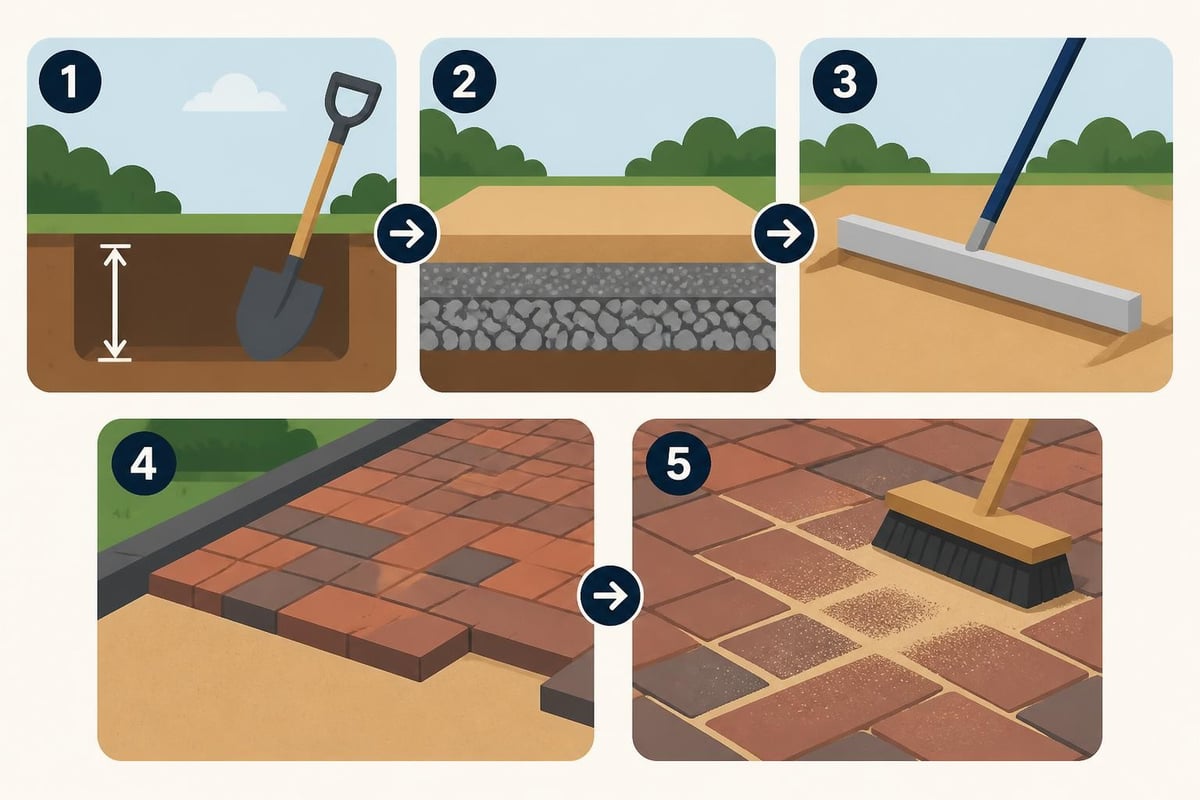
Professional installation follows this systematic approach:
- Excavate to required depth plus 6-8 inches for base materials
- Install geotextile landscape fabric to prevent base migration
- Add and compact road base aggregate in 2-inch lifts
- Screed leveling sand to precise elevations using guide rails
- Place landscaping bricks in selected pattern with tight joints
- Compact surface using plate compactor with protective pad
- Sweep polymeric sand into joints and activate with water mist
The National Park Service preservation guidelines emphasize proper joint filling as essential for long-term stability, particularly in pedestrian applications where lateral movement can occur without adequate edge restraint.
Edge restraint systems prevent brick migration at perimeter boundaries. Plastic paver edging, aluminum restraints, or concrete borders maintain pattern integrity and prevent creeping that creates unsightly gaps. This detail proves especially important in curved installations where lateral forces naturally push materials outward.
Common Installation Mistakes to Avoid
Homeowners attempting DIY brick installations frequently encounter problems stemming from inadequate preparation. Insufficient base depth leads to settling and surface undulation, while poor drainage design results in standing water that accelerates deterioration. Skipping compaction steps between base layers creates voids that collapse under traffic loads.
Using mason sand instead of proper bedding sand causes settling issues, as finer particles wash away through brick joints during rainfall. Professional installers specify coarse concrete sand that resists erosion while allowing water percolation. These technical distinctions separate amateur installations from professional-grade work that maintains structural integrity through years of exposure.
Maintenance Requirements and Long-Term Care
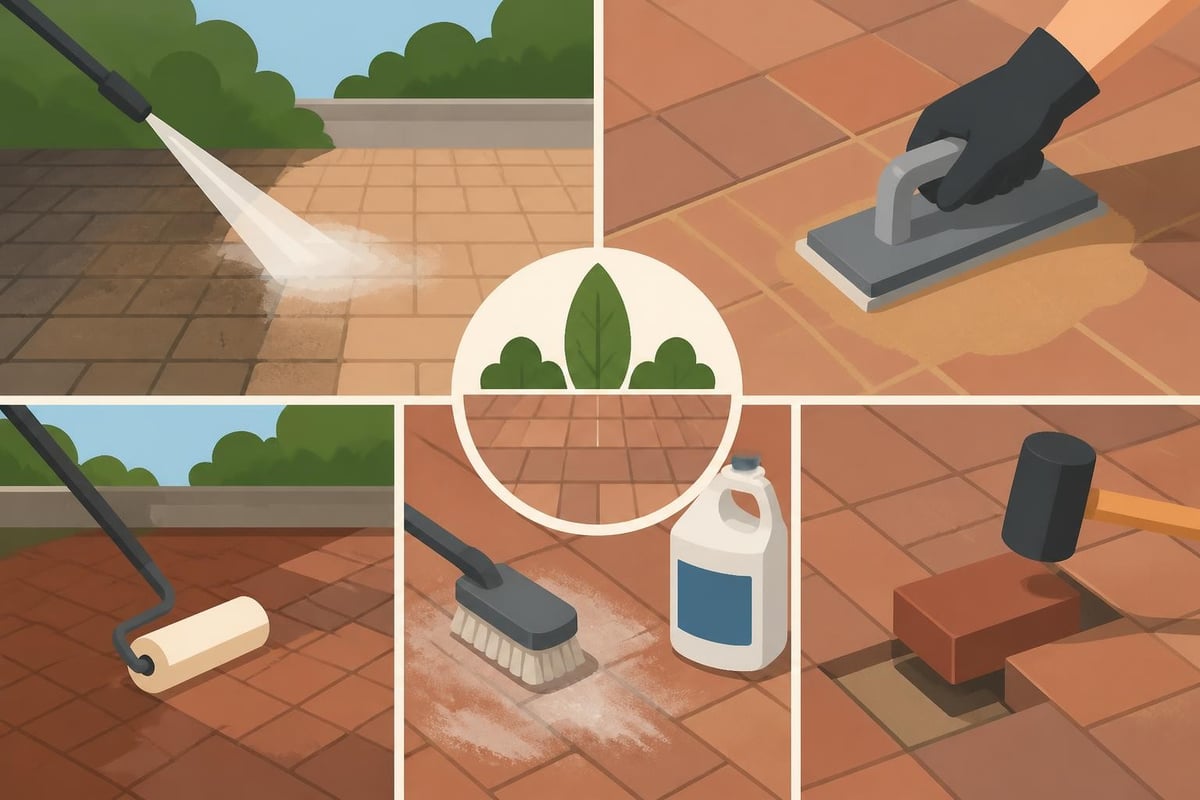
Landscaping bricks require periodic maintenance to preserve appearance and functionality. Regular sweeping removes debris that can stain surfaces or promote organic growth in joints. Quarterly pressure washing eliminates accumulated dirt, algae, and atmospheric pollutants, though excessive pressure can dislodge joint sand or damage brick faces.
Joint sand replenishment becomes necessary as materials wash away through normal weathering. Polymeric sand products harden when activated, creating stable joints resistant to erosion and weed growth. Annual inspection and touch-up applications maintain the interlocking effect that distributes loads across the entire surface rather than individual bricks.
Maintenance timeline for optimal performance:
- Monthly: Sweep surfaces and remove organic debris
- Quarterly: Pressure wash and inspect for damage
- Annually: Replenish joint sand and apply sealant
- Every 3-5 years: Professional deep cleaning and restoration
Sealing represents an optional but beneficial maintenance practice that enhances color vibrancy while protecting against staining and UV fading. Quality sealants penetrate brick pores without creating surface films that trap moisture or become slippery when wet. Application timing matters, requiring completely dry surfaces and appropriate temperature ranges for proper curing. For homeowners in Orlando and surrounding communities, professional paver restoration services can refresh aging brick surfaces and extend their functional lifespan significantly.
Addressing Common Problems
Efflorescence appears as white crystalline deposits on brick surfaces when water-soluble salts migrate through the material and evaporate at the surface. While typically harmless structurally, these deposits detract from aesthetic appeal. Specialized efflorescence cleaners remove deposits, though addressing underlying moisture sources prevents recurrence.
Settling or sunken areas indicate base failure requiring removal and reinstallation of affected sections. Attempting to simply reset surface bricks without addressing foundation problems results in repeated failure. Professional assessment determines whether localized repairs suffice or comprehensive reconstruction becomes necessary.
Cost Considerations and Budget Planning
Material costs for landscaping bricks vary considerably based on type, quality, and aesthetic features. Basic concrete bricks start around $0.50-$1.50 per unit, while premium clay bricks or specialty shapes command $2-$5 each. Project scale significantly impacts total investment, with small garden borders requiring minimal materials compared to extensive patio installations.
Labor represents the larger cost component in professional installations, reflecting the skill and physical effort required for proper execution. Base preparation, precise brick placement, and finishing details demand expertise that justifies professional rates. Budget-conscious homeowners sometimes elect to handle simple projects like garden edging while engaging professionals for complex applications requiring structural engineering.
| Cost Factor | Budget Range | Mid-Range | Premium |
|---|---|---|---|
| Materials (per sq ft) | $3-$5 | $6-$10 | $12-$18 |
| Labor (per sq ft) | $5-$8 | $10-$15 | $18-$25 |
| Base Prep (per sq ft) | $2-$4 | $5-$7 | $8-$12 |
| Total Installed Cost | $10-$17 | $21-$32 | $38-$55 |
Hidden costs sometimes catch homeowners unprepared. Challenging site conditions like poor drainage, difficult access, or extensive excavation requirements inflate budgets beyond initial estimates. Requesting detailed on-site assessments from experienced contractors eliminates surprises and ensures accurate project budgeting from the outset.
Environmental and Sustainability Factors
Landscaping bricks offer environmental advantages over certain alternative materials. Clay bricks utilize natural raw materials and traditional firing processes, though kiln energy consumption presents sustainability concerns. Modern manufacturers increasingly adopt energy-efficient kilns and incorporate recycled content into concrete brick formulations.
Permeable installation methods allow rainwater infiltration rather than contributing to stormwater runoff. Spacing bricks with wider joints filled with permeable materials creates functional surfaces while supporting groundwater recharge. This approach proves particularly valuable in Florida where stormwater management regulations increasingly restrict impervious surface coverage.
Environmental benefits include:
- Natural material composition without synthetic compounds
- Long service life reducing replacement frequency
- Permeability options supporting water management
- Recyclability at end of useful life
- Local manufacturing reducing transportation impacts
Salvaged or reclaimed landscaping bricks provide eco-conscious alternatives for homeowners prioritizing sustainability. These materials bring unique character from previous installations while diverting construction debris from landfills. Availability varies regionally, and dimensional inconsistencies may complicate installation compared to new manufactured products.
Selecting Professional Installation Services
Quality installation requires specialized equipment, technical knowledge, and physical capability beyond most homeowner skillsets. Professional hardscape contractors bring experience identifying site-specific challenges and implementing proven solutions. Licensed and insured companies protect homeowners from liability while standing behind workmanship through warranty coverage.
Evaluating potential contractors involves reviewing portfolios of completed projects, verifying credentials, and obtaining multiple detailed estimates. Communication quality during initial consultations often predicts overall working relationships. Companies providing comprehensive proposals outlining materials, methods, timelines, and costs demonstrate professionalism worthy of consideration.
References from previous clients offer valuable insights into contractor reliability, work quality, and problem resolution approaches. Reputable professionals welcome reference checks and maintain strong community reputations through consistent performance. Areas across Central Florida including Winter Park, Sanford, and Clermont benefit from established hardscaping companies serving residential customers with proven track records.
Warranty coverage varies among contractors, with comprehensive programs protecting against installation defects and material failures. Understanding warranty terms, duration, and claim procedures before signing contracts prevents disputes if problems develop. Two-year warranties on workmanship represent industry standards for professional-grade installations.
Landscaping bricks continue delivering timeless beauty and lasting functionality when properly selected, installed, and maintained for Central Florida's unique environmental conditions. Whether you're planning decorative garden borders, functional walkways, or expansive entertainment patios, working with experienced professionals ensures your investment performs beautifully for decades. Pink Palm Pavers brings licensed, insured expertise to homeowners throughout Orlando and surrounding communities, combining quality materials with proven installation techniques backed by comprehensive warranty protection for complete peace of mind.

