

Outdoor stone has remained one of the most enduring materials for residential hardscaping, offering a unique combination of natural beauty, exceptional durability, and long-term value that few alternatives can match. For Central Florida homeowners, understanding the nuances of outdoor stone selection, proper installation techniques, and essential maintenance practices makes the difference between a stunning landscape feature that lasts decades and a disappointing investment plagued by premature deterioration. From elegant patios and welcoming walkways to functional retaining walls and pool decks that withstand constant moisture exposure, the right outdoor stone choices transform ordinary yards into extraordinary outdoor living spaces that enhance property value while standing up to Florida's challenging climate conditions.
Understanding Outdoor Stone Types and Characteristics
Natural stone materials vary dramatically in their composition, appearance, and performance characteristics. Each type of outdoor stone brings distinct advantages and limitations that homeowners should evaluate before making installation decisions.
Popular Natural Stone Options
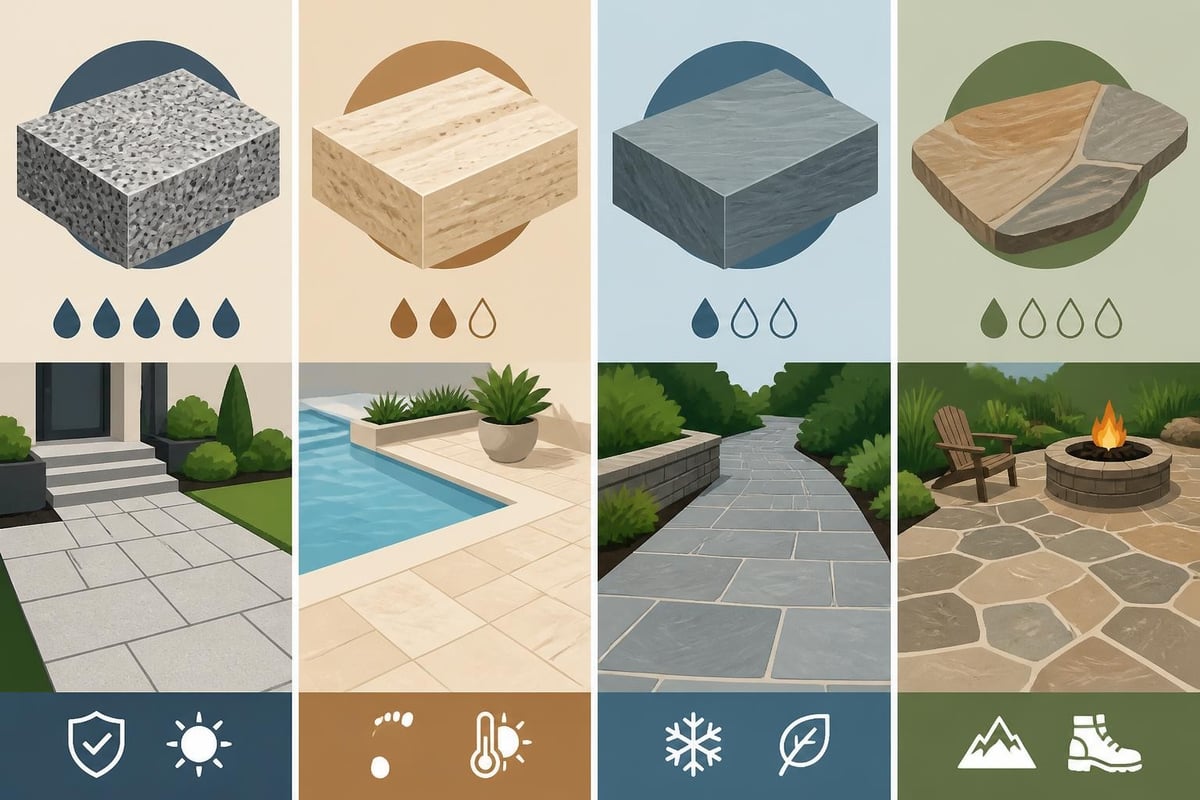
Granite ranks among the most durable outdoor stone choices, offering exceptional resistance to scratching, chipping, and weather-related damage. Its dense composition makes it ideal for high-traffic areas like driveways and commercial walkways.
Travertine provides a sophisticated appearance with its characteristic pitted surface and warm color tones. This limestone-based outdoor stone excels in pool deck applications because it remains cooler underfoot than many alternatives, though it requires more frequent sealing due to its porous nature.
Bluestone delivers a classic, refined aesthetic with its blue-gray hues and natural cleft surface. Popular for patios and walkways throughout the Northeast, this outdoor stone adapts well to various climate conditions when properly installed and maintained.
Flagstone encompasses several stone types cut into irregular flat pieces, creating organic, flowing patterns that complement naturalistic landscape designs. Its varied thickness requires careful installation planning to ensure level surfaces and proper drainage.
| Stone Type | Durability | Porosity | Maintenance Level | Best Applications |
|---|---|---|---|---|
| Granite | Very High | Low | Low | Driveways, high-traffic patios |
| Travertine | Medium-High | High | Medium-High | Pool decks, patios |
| Bluestone | High | Medium | Medium | Patios, walkways, steps |
| Flagstone | Medium | Medium-High | Medium | Pathways, informal patios |
| Limestone | Medium | High | High | Decorative walls, low-traffic areas |
Climate Considerations for Central Florida
Florida's subtropical environment presents unique challenges for outdoor stone installations. High humidity, intense UV exposure, frequent rainfall, and occasional freeze events in northern counties all impact stone performance and longevity.
Moisture management becomes paramount when working with porous outdoor stone varieties. Without proper sealing and drainage design, water absorption leads to algae growth, efflorescence, and potential structural damage over time.
Heat retention varies significantly between stone types. Lighter-colored outdoor stone options reflect more sunlight, maintaining more comfortable surface temperatures during summer months when darker materials can become too hot for bare feet.
Salt air exposure in coastal areas accelerates deterioration of certain outdoor stone types, particularly those with high iron content that may develop rust stains or experience surface pitting.
Installation Best Practices for Lasting Performance
Proper installation forms the foundation for outdoor stone longevity and performance. Cutting corners during the base preparation or setting process inevitably leads to premature failure, regardless of material quality.
Base Preparation and Drainage Design
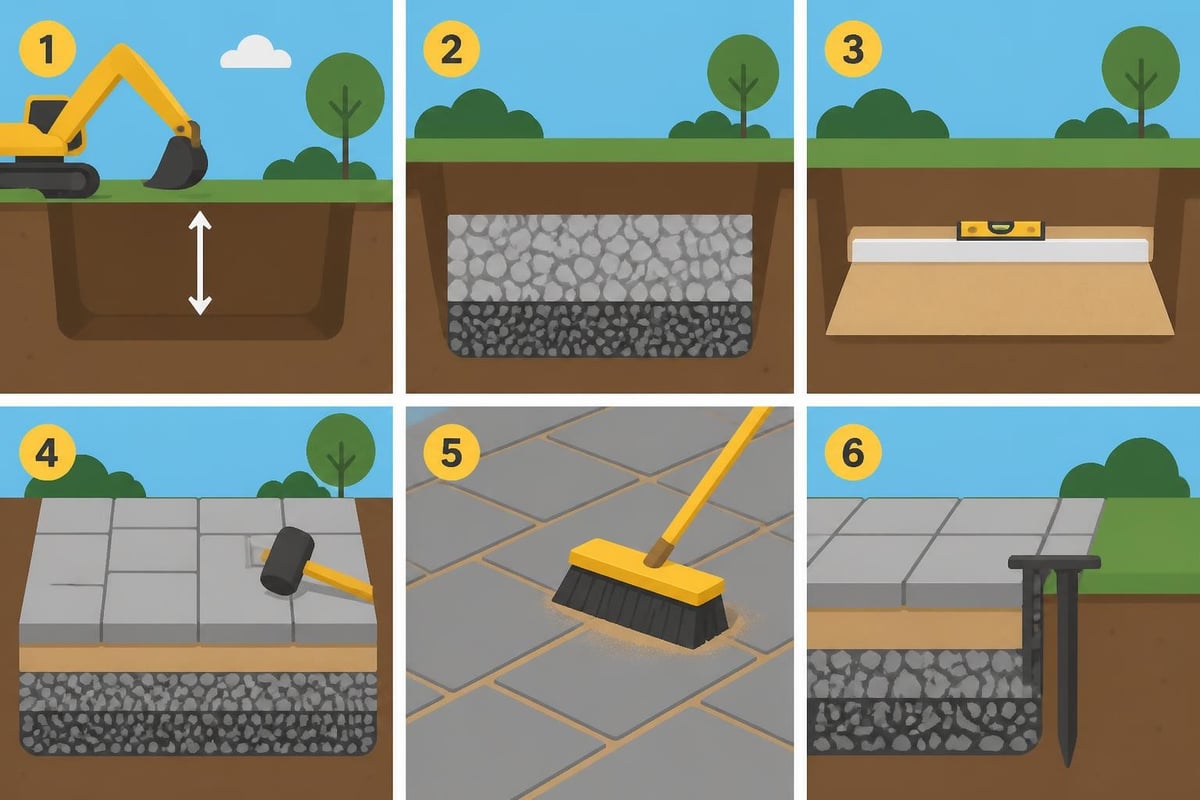
A well-engineered base system prevents the settling, shifting, and cracking that plague poorly installed outdoor stone features. The standard approach involves:
- Excavation to appropriate depth based on intended use and soil conditions
- Compacted aggregate base providing stable support and facilitating drainage
- Leveling sand layer creating a uniform setting bed for individual stones
- Proper slope directing water away from structures and preventing pooling
Drainage considerations extend beyond surface slope. Hardscape services that incorporate proper subsurface drainage prevent water accumulation beneath outdoor stone installations, which causes frost heaving in colder months and undermines base stability year-round.
Setting and Jointing Techniques
The method used to set outdoor stone significantly impacts both appearance and structural integrity.
Dry-set installations place stones directly on a compacted base with sand-filled joints. This traditional approach allows for natural drainage through joints but requires periodic maintenance to replace displaced sand and control weed growth.
Mortar-set applications permanently bond outdoor stone to concrete substrates, creating rigid, impervious surfaces ideal for areas requiring thorough cleaning or experiencing heavy vehicular traffic. This method demands precise execution, as poorly mixed or applied mortar leads to cracking and delamination.
Polymeric sand represents a modern compromise, offering the drainage benefits of traditional sand with enhanced stability through polymer activation. When properly installed and activated, it resists washout, inhibits weed growth, and maintains joint integrity longer than conventional sand.
Edge Restraints and Transition Details
Professional outdoor stone installations incorporate robust edge restraints preventing lateral movement and maintaining alignment over time. Options include:
- Concrete edges poured alongside stone perimeters
- Commercial-grade plastic or aluminum restraint systems
- Soldier course borders using vertically set stones
- Integrated retaining walls creating defined boundaries
Transitions between outdoor stone surfaces and adjacent materials require thoughtful detailing to prevent tripping hazards, allow for drainage, and maintain visual continuity throughout the landscape.
Essential Maintenance Protocols
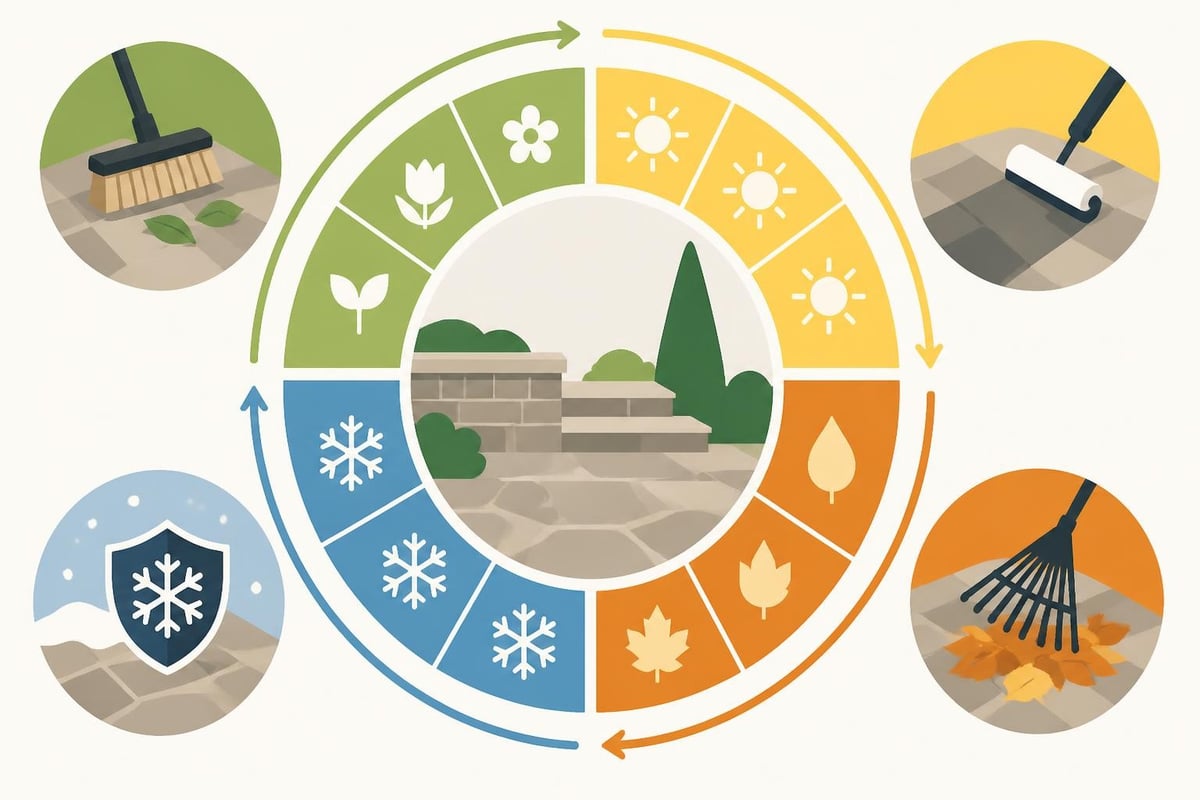
Even the most durable outdoor stone requires regular maintenance to preserve its appearance and structural integrity. Establishing consistent care routines prevents minor issues from escalating into costly repairs.
Routine Cleaning Procedures
Regular cleaning removes accumulated dirt, organic debris, and potential staining agents before they penetrate outdoor stone surfaces. Maintaining outdoor stone surfaces through proper cleaning techniques extends lifespan while preserving aesthetic appeal.
Weekly maintenance should include:
- Sweeping or blowing debris from stone surfaces
- Hosing down high-traffic areas to prevent dirt buildup
- Checking drainage pathways for blockages
Monthly deep cleaning addresses more stubborn accumulations:
- Scrubbing with appropriate pH-neutral cleaners
- Treating organic growth with suitable antimicrobial solutions
- Inspecting joints for sand loss or weed intrusion
Avoid pressure washing outdoor stone at excessive PSI levels, as this damages surface texture, displaces jointing materials, and drives water into the substrate where it may cause long-term problems.
Sealing for Protection and Enhancement
Penetrating sealers represent the most critical maintenance investment for outdoor stone longevity. These products infiltrate porous stone, creating a protective barrier that repels water, resists staining, and inhibits organic growth without altering surface appearance.
| Sealer Type | Protection Level | Longevity | Best For | Finish Appearance |
|---|---|---|---|---|
| Penetrating | High | 3-5 years | All porous stones | Natural, no change |
| Film-Forming | Very High | 2-3 years | Heavy-use areas | Slight sheen to glossy |
| Color-Enhancing | Medium-High | 2-4 years | Faded or dull stone | Enriched, wet look |
| Water-Based | Medium | 1-3 years | Eco-conscious projects | Natural |
Understanding why protecting outdoor stone matters helps homeowners appreciate the value of regular resealing schedules. Central Florida's intense UV exposure and frequent rainfall accelerate sealer breakdown, typically requiring reapplication every two to three years for optimal protection.
Stain Prevention and Treatment
Different stain types require specific treatment approaches. Organic stains from leaves, mulch, or tannins respond to poultice treatments using hydrogen peroxide or specialized organic stain removers. Oil-based stains demand degreasing agents or acetone-based solutions.
Immediate action provides the best chance for complete stain removal from outdoor stone surfaces. Once stains penetrate deeply into porous materials, complete removal becomes difficult or impossible without professional restoration techniques.
Prevention strategies include:
- Promptly cleaning spills before absorption occurs
- Using coasters under planters and metal furniture
- Applying appropriate sealers for anticipated exposure types
- Avoiding acidic cleaners that etch calcium-based stones
Addressing Common Problems and Repairs
Even well-maintained outdoor stone eventually requires repair or restoration as natural weathering and use take their toll.
Settling and Leveling Issues
Uneven settlement creates tripping hazards and drainage problems in outdoor stone installations. Minor settling often results from inadequate base compaction, erosion of supporting materials, or tree root intrusion.
Addressing settlement typically involves:
- Removing affected stones and marking their positions
- Evaluating and correcting base layer deficiencies
- Adding and compacting additional base material
- Reinstalling stones to proper elevation and slope
Widespread settling indicates more serious foundation problems requiring comprehensive reconstruction rather than spot repairs.
Crack Repair and Joint Maintenance
Proper outdoor stone maintenance includes monitoring for cracks and addressing them before they expand. Hairline cracks in natural stone sometimes stabilize without intervention, but widening cracks compromise structural integrity and allow water infiltration.
Small cracks accept specialized stone repair compounds matched to existing material color. Significant fractures may necessitate stone replacement, particularly when pieces have shifted or separated.
Joint maintenance prevents many outdoor stone problems. Deteriorated joint materials allow:
- Water penetration beneath stones
- Lateral movement and misalignment
- Weed and grass intrusion
- Insect nesting opportunities
Replacing compromised joint sand or polymeric materials before these issues develop saves considerable expense compared to addressing resulting damage.
Efflorescence and Mineral Deposits
White, powdery efflorescence appears on outdoor stone surfaces when water-soluble salts migrate to the surface and crystallize. While primarily cosmetic, persistent efflorescence signals ongoing moisture problems requiring attention.
Removing efflorescence involves:
- Dry brushing with stiff bristles to remove loose deposits
- Treating with appropriate efflorescence cleaners
- Rinsing thoroughly and allowing complete drying
- Identifying and correcting moisture sources
Learning how to clean and seal outdoor stone surfaces properly helps prevent recurring efflorescence by managing moisture exposure through appropriate sealing products and application techniques.
Restoration Options for Weathered Stone
Outdoor stone that has deteriorated through years of exposure or neglect often regains much of its original beauty through professional restoration rather than costly replacement.
Surface Refinishing Techniques
Weathered outdoor stone surfaces exhibit various forms of degradation including:
- Color fading from UV exposure
- Surface roughening from freeze-thaw cycles
- Accumulated staining and discoloration
- Loss of original texture or finish
Cleaning and refinishing weathered outdoor stone restores appearance while extending service life. Techniques range from chemical cleaning and stain removal to mechanical surface grinding for heavily degraded materials.
Professional restoration services evaluate stone condition, identify appropriate treatment methods, and execute refinishing work that returns outdoor stone to near-original appearance. For Central Florida homeowners, professional paver restoration and maintenance services provide expertise in reviving outdoor stone features that have lost their luster.
Color Enhancement and Protection
Color-enhancing sealers dramatically improve the appearance of faded outdoor stone by enriching natural hues and creating a perpetually wet look. These products work particularly well on travertine, flagstone, and other lighter-colored materials that show significant fading after years of sun exposure.
The application process requires:
- Thorough cleaning to remove all contaminants
- Complete drying before sealer application
- Even application avoiding puddles or missed areas
- Adequate curing time before allowing foot traffic
Results typically last two to four years depending on exposure conditions and traffic levels, after which reapplication restores the enhanced appearance.
When Replacement Makes More Sense
Some outdoor stone deterioration exceeds practical restoration limits. Replacement becomes the better option when:
- Structural integrity has been compromised by deep cracking
- Surface spalling has progressed beyond cosmetic concerns
- Repeated repairs have failed to resolve persistent problems
- Original installation methods or materials prove inadequate
Modern paver installation techniques and materials often outperform older outdoor stone installations in durability, maintenance requirements, and overall lifecycle cost, making replacement a wise long-term investment.
Design Integration and Aesthetic Considerations
Outdoor stone selection extends beyond practical performance to encompass design harmony, architectural compatibility, and personal aesthetic preferences.
Coordinating with Architectural Styles
Different architectural styles pair naturally with specific outdoor stone types and patterns. Mediterranean-inspired homes complement travertine and tumbled limestone, while contemporary designs favor clean-lined bluestone or honed granite. Traditional architecture welcomes classic flagstone or weathered fieldstone.
Color coordination considers:
- Existing hardscape and masonry elements
- Exterior paint or siding colors
- Roofing material hues
- Landscape plant selections
Successful outdoor stone integration creates visual continuity between built elements and natural surroundings rather than introducing jarring contrasts.
Pattern and Layout Options
Installation patterns significantly impact the visual character of outdoor stone features:
Running bond creates linear movement through offset joints, ideal for rectangular stone units and formal designs.
Random patterns suit irregularly shaped flagstone, producing organic, naturalistic appearances appropriate for cottage gardens and rustic settings.
Herringbone delivers dynamic visual interest through angled stone placement, working well in defined areas like patios and courtyards.
Circular or radiating patterns establish focal points and architectural interest, particularly effective around fire features, fountains, or tree wells.
Layout decisions should account for stone sizes, shapes, and natural variation. Working with materials' inherent characteristics produces more authentic results than forcing rigid patterns onto irregularly shaped outdoor stone.
Combining Materials for Visual Impact
Integrating outdoor stone with complementary hardscape materials creates dimensional interest and defines functional zones. Effective combinations include:
- Stone patios bordered by brick edging
- Flagstone pathways integrated with gravel mulch beds
- Travertine pool decks transitioning to grass or artificial turf
- Bluestone steps flanked by fieldstone retaining walls
Material transitions require careful detailing to ensure proper drainage, prevent tripping hazards, and maintain cohesive aesthetics throughout the landscape. For homeowners exploring comprehensive outdoor improvements, landscape services coordinate hardscape and softscape elements into unified designs.
Cost Factors and Budget Planning
Outdoor stone projects vary tremendously in cost based on material selection, site conditions, installation complexity, and regional labor rates.
Material Cost Ranges
Natural outdoor stone pricing reflects:
- Quarrying and transportation expenses
- Rarity and availability of specific types
- Processing requirements (cutting, finishing, etc.)
- Order quantities and delivery distances
As a general framework:
| Price Tier | Stone Examples | Approximate Cost per SF | Characteristics |
|---|---|---|---|
| Economy | Basic flagstone, field stone | $8-15 | Irregular shapes, varied sizes |
| Mid-Range | Standard travertine, bluestone | $15-25 | Consistent sizing, good durability |
| Premium | Select granite, exotic limestone | $25-40 | Exceptional quality, uniform appearance |
| Luxury | Rare imports, custom cuts | $40-75+ | Unique colors, specialized finishes |
These figures represent material costs only. Complete project expenses include base preparation, installation labor, edge treatments, sealing, and incidental materials.
Installation Cost Considerations
Labor represents a substantial portion of total outdoor stone project costs, particularly for complex designs or challenging site conditions.
Factors affecting installation costs:
- Accessibility for equipment and material delivery
- Existing conditions requiring demolition or grading
- Drainage requirements and subsurface preparation
- Pattern complexity and custom cutting needs
- Slope or elevation changes within the project area
Simple rectangular patios on level sites with good access cost considerably less per square foot than elaborate multi-level terraces requiring extensive site work and intricate stone cutting.
Long-Term Value Analysis
Understanding outdoor stone maintenance requirements factors into true lifecycle costs. Lower-maintenance materials command premium initial prices but deliver superior long-term value through reduced care requirements and extended service life.
Calculate total ownership costs by considering:
- Initial material and installation expenses
- Annual maintenance product costs
- Periodic resealing requirements
- Potential repair frequency and costs
- Expected lifespan before replacement
Premium outdoor stone installations with proper maintenance often outlast economy alternatives by decades, ultimately providing better value despite higher upfront investment.
Environmental and Sustainability Aspects
Growing environmental awareness influences outdoor stone selection and installation practices as homeowners seek sustainable landscape solutions.
Permeable Installation Methods
Traditional mortar-set outdoor stone creates impervious surfaces that increase stormwater runoff, contributing to erosion and water quality problems. Permeable installation alternatives allow rainfall to infiltrate through joints and base materials, recharging groundwater and reducing runoff volumes.
Permeable outdoor stone systems incorporate:
- Open-graded aggregate bases allowing water passage
- Wide joints filled with permeable materials
- Proper slope directing water to infiltration areas
- Underlying soil conditions supporting percolation
These environmentally responsible approaches particularly benefit Central Florida's sensitive aquifer systems and wetland ecosystems while reducing demands on stormwater infrastructure.
Local Sourcing and Carbon Footprint
Transportation represents a significant component of outdoor stone's environmental impact. Materials quarried thousands of miles away carry substantially higher carbon footprints than locally available alternatives.
Florida lacks major natural stone quarries, requiring most outdoor stone to be imported from Georgia, North Carolina, or farther distances. Homeowners prioritizing sustainability might consider:
- Regionally sourced alternatives when available
- Manufactured concrete products mimicking natural stone appearance
- Reclaimed or salvaged stone from demolition projects
- Materials transported by efficient rail rather than truck
Longevity and Resource Conservation
Outdoor stone's exceptional durability makes it inherently sustainable despite transportation impacts. Installations lasting 50-100 years with proper maintenance avoid the resource consumption and waste associated with repeated replacement of less durable alternatives.
Natural stone requires no manufacturing energy beyond quarrying and processing, unlike concrete or fired clay products. At end of service life, outdoor stone accepts reuse in other applications or returns to landscape use as decorative aggregate or erosion control.
Debunking Common Outdoor Stone Myths
Misconceptions about outdoor stone create unrealistic expectations and lead to poor decision-making. Separating outdoor stone myths from maintenance facts helps homeowners make informed choices based on accurate information.
"Natural Stone is Maintenance-Free"
Perhaps the most persistent myth suggests that outdoor stone requires no maintenance. While stone demands less care than many alternatives, it absolutely requires regular attention including cleaning, sealing, and joint maintenance to preserve appearance and prevent deterioration.
The "maintenance-free" claim typically comes from comparing stone to wood decking or painted surfaces requiring frequent refinishing. Outdoor stone does need less frequent major maintenance, but characterizing it as maintenance-free creates false expectations leading to neglect and premature deterioration.
"All Sealers Are Basically the Same"
Sealer formulations vary dramatically in chemistry, performance characteristics, and appropriate applications. Using wrong sealer types causes problems ranging from unsightly hazing to accelerated deterioration.
Water-based versus solvent-based sealers differ in penetration depth, vapor permeability, and durability. Penetrating versus film-forming products provide different protection mechanisms with distinct maintenance requirements. Outdoor stone types and exposure conditions determine appropriate sealer selection.
"Pressure Washing Is Always Safe"
High-pressure washing removes stubborn staining and organic growth efficiently but damages outdoor stone when used improperly. Excessive pressure erodes softer stones, displaces joint materials, and drives water into substrates where it causes efflorescence and freeze damage.
Appropriate cleaning uses lower pressures (1500-2000 PSI), wider fan tips, and proper technique maintaining safe distances from stone surfaces. Many situations respond better to chemical cleaners and scrubbing than pressure washing.
"Outdoor Stone Doesn't Need Proper Drainage"
Some installers minimize drainage importance, assuming stone's durability makes proper water management unnecessary. Poor drainage leads to numerous problems including:
- Standing water promoting organic growth
- Ice formation causing surface damage in freezing conditions
- Base material erosion and subsequent settling
- Efflorescence from continuous moisture exposure
Professional installations incorporate comprehensive drainage design preventing water accumulation on surfaces and within base materials.
Outdoor stone delivers unmatched beauty, durability, and value when properly selected, installed, and maintained according to Central Florida's unique climate demands. Whether you're planning a new patio, restoring a weathered walkway, or creating a comprehensive hardscape design, working with experienced professionals ensures your investment performs beautifully for decades. Pink Palm Pavers brings licensed, insured expertise to every project across Central Florida, backed by a 2-year warranty and the personalized service only a family-owned company provides.

