

Transforming your outdoor space with a stunning paver patio represents a significant investment in your home's value, functionality, and curb appeal. Whether you're envisioning an intimate dining area, a spacious entertainment zone, or a poolside retreat, the success of your project hinges almost entirely on selecting the right patio paver contractors. The difference between a beautiful, long-lasting installation and a disappointing experience often comes down to contractor expertise, installation methods, and attention to detail. Understanding what separates exceptional contractors from mediocre ones empowers you to make informed decisions that protect your investment and deliver the outdoor living space you've been dreaming about.
What Professional Patio Paver Contractors Bring to Your Project
Professional patio paver contractors offer far more than simple labor. These specialists combine technical knowledge, design expertise, and proven installation methods to create outdoor surfaces that withstand decades of use while maintaining their beauty.
Technical Expertise and Proper Installation Methods
The foundation of any successful paver project lies in proper installation techniques. Experienced contractors understand soil conditions, drainage requirements, and base preparation standards that directly impact long-term performance. They know how to excavate to proper depths and compact base materials according to industry specifications.
Key technical competencies include:
- Proper slope calculation for water drainage
- Base material selection and compaction ratios
- Edge restraint installation to prevent shifting
- Joint sand application and compaction techniques
- Understanding of soil bearing capacity
These technical details might seem mundane, but they determine whether your patio remains level and stable for decades or develops sunken areas, shifted pavers, and drainage problems within a few years.
Design Capabilities and Material Knowledge
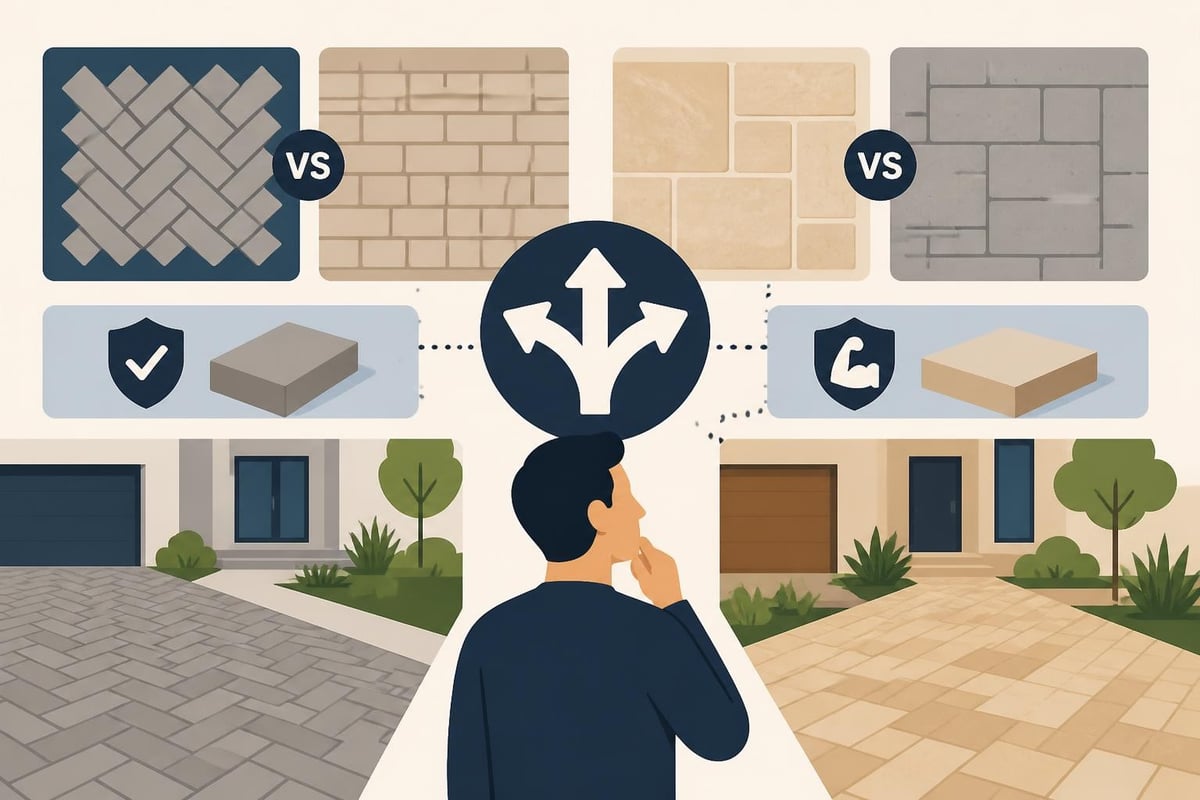
Quality contractors don't just install pavers; they help you design a space that enhances your property's aesthetics and functionality. They understand pattern options, color coordination, texture variations, and how different materials perform in specific applications.
Central Florida's unique climate presents specific challenges that informed contractors address proactively. They recommend paver types that resist fading under intense sun exposure, select joint materials that prevent weed growth in humid conditions, and design surfaces that handle Florida's heavy rainfall events without pooling or erosion.
Vetting Patio Paver Contractors: Essential Qualifications
Not all contractors possess equal skills, ethics, or reliability. Thorough vetting protects you from costly mistakes and ensures professional results.
Licensing, Insurance, and Warranty Requirements
Legitimate patio paver contractors carry proper licensing and comprehensive insurance coverage. These credentials aren't bureaucratic formalities; they protect homeowners from liability and provide recourse if problems arise.
Verify these essentials before hiring:
- Valid general contractor or specialty contractor license
- Current liability insurance (minimum $1 million coverage recommended)
- Workers' compensation insurance for all employees
- Written warranty covering workmanship and materials
- Local business permits and tax registration
Licensed contractors understand building codes, obtain necessary permits, and follow regulatory requirements that unlicensed workers often ignore. Insurance protects you if someone gets injured on your property during installation or if the work damages your home.
Request written proof of these credentials and verify them independently. A reputable contractor willingly provides documentation and expects you to verify it.
Experience and Portfolio Review
Years in business and completed project numbers provide valuable insight into contractor reliability and expertise. Established contractors accumulating hundreds of installations develop refined techniques and problem-solving abilities that newer companies lack.
Review portfolios carefully, paying attention to:
| Portfolio Element | What to Evaluate |
|---|---|
| Project variety | Experience with different paver types, patterns, and applications |
| Installation quality | Straight lines, consistent joints, clean edges, proper drainage |
| Project complexity | Ability to handle curves, stairs, multiple levels, and integrated features |
| Before/after photos | Realistic documentation of actual work performed |
| Local projects | Familiarity with regional soil, climate, and design preferences |
Ask for references from projects completed 3-5 years ago. Recent installations might look great, but older projects reveal how well the work holds up over time. Contact these references and ask about contractor communication, project timeline adherence, cleanup practices, and long-term satisfaction.
Companies serving communities throughout Central Florida bring valuable regional expertise regarding soil conditions, drainage challenges, and material performance in the local climate.
Understanding Patio Paver Contractor Pricing and Proposals
Pricing transparency and detailed proposals separate professional contractors from those cutting corners or hiding costs.
How Contractors Calculate Project Costs
Patio paver contractors consider numerous factors when estimating project costs. Understanding these elements helps you evaluate whether quotes represent fair value or problematic shortcuts.
Primary cost factors include:
- Excavation requirements based on existing surface conditions and soil type
- Base material quantity and quality (crushed stone, gravel, bedding sand)
- Paver material costs varying by type, size, color, and manufacturer
- Labor hours reflecting project size, complexity, and site accessibility
- Equipment needs for excavation, compaction, cutting, and material transport
- Disposal fees for removed soil, concrete, or existing materials
- Edging and restraint materials necessary to secure the installation
- Sealing and finishing for enhanced protection and appearance
Legitimate contractors provide itemized proposals breaking down these components. Vague estimates listing only total square footage pricing often hide substandard materials or rushed installation methods. According to industry installation guidelines, proper base preparation and compaction represent critical cost components that should never be compromised.
Comparing Quotes: Beyond the Bottom Line
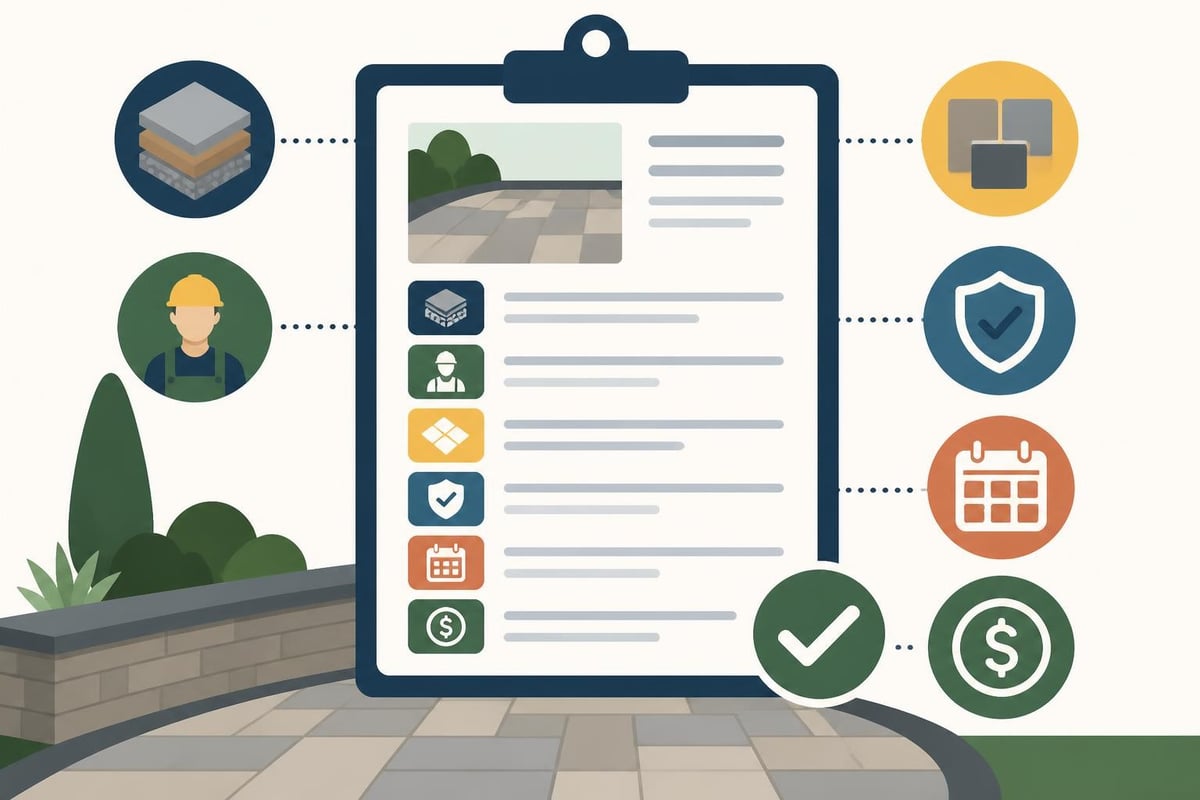
Receiving multiple quotes helps establish fair market pricing, but choosing the lowest bid often leads to disappointing results. Compare proposals thoroughly, examining what each contractor includes and excludes.
| Quote Component | Questions to Ask |
|---|---|
| Base preparation | How many inches of base material? What compaction method and equipment? |
| Paver specifications | Exact brand, style, thickness, and color? Premium or standard grade? |
| Edge restraint | Concrete, aluminum, or plastic? Included or additional cost? |
| Joint stabilization | Polymeric sand or standard sand? Application method? |
| Sealing | Included in base price or optional upgrade? What products? |
| Warranty coverage | What does it cover? How long? What voids it? |
Price differences often reflect quality variations in materials, installation thoroughness, and business overhead. A contractor charging 15-20% less than competitors might be skipping essential base preparation steps, using inferior materials, or lacking proper insurance coverage.
The Installation Process: What to Expect from Quality Contractors
Understanding proper installation procedures helps you monitor contractor work and recognize shortcuts that compromise results.
Site Preparation and Base Construction
Professional installation begins weeks before the first paver gets placed. Quality contractors follow systematic preparation processes that create stable, properly draining foundations.
The excavation phase removes existing surface materials and soil to depths typically ranging from 8 to 12 inches, depending on soil conditions and anticipated load requirements. Proper base gravel installation and compaction creates the structural foundation that prevents settling and shifting.
Contractors install base materials in lifts (layers), compacting each thoroughly before adding the next. This methodical approach ensures uniform density throughout the base. They also establish proper slope during this phase, typically 1-2% grade away from structures to direct water runoff.
Paver Installation and Finishing Techniques
After base preparation, contractors spread a uniform layer of bedding sand approximately one inch thick. This layer allows minor leveling adjustments during paver placement while providing a stable surface.
Professional installation standards include:
- Maintaining consistent joint spacing (typically 1/8 to 3/16 inch)
- Following the specified pattern without deviations
- Cutting edge pavers precisely for clean transitions
- Installing restraint edging to lock the perimeter
- Plate compacting the surface to set pavers firmly
- Sweeping polymeric sand into joints and activating properly
These finishing steps distinguish amateur work from professional installations. Polymeric sand, when properly applied and activated, creates a binding effect that resists weed growth, ant colonization, and joint erosion. Homeowners interested in understanding these maintenance aspects can review comprehensive paver maintenance practices that extend installation longevity.
Red Flags: Warning Signs of Problematic Contractors
Certain behaviors and practices signal contractors you should avoid, regardless of pricing or promises.
Concerning Business Practices
Trust your instincts when evaluating contractor professionalism and communication. Problems during the sales and contracting phase typically worsen during installation.
Warning signs include:
- Requesting large upfront deposits (more than 25-30% before work begins)
- Pressure tactics demanding immediate decisions or limited-time pricing
- Reluctance to provide written contracts or detailed proposals
- Inability or unwillingness to provide insurance certificates
- No physical business address or online presence
- Poor communication or slow response to questions
- Vague answers about installation methods or materials
Professional contractors maintain transparent business practices, communicate clearly, and welcome questions. They understand that informed customers make better partners and experience higher satisfaction.
Installation Shortcuts and Substandard Methods
Even contractors with impressive sales presentations sometimes cut corners during installation when homeowners aren't watching closely.
Monitor for these problematic practices:
| Shortcut | Consequence |
|---|---|
| Insufficient excavation depth | Inadequate base thickness leads to settling |
| Poor base compaction | Uneven surface develops low spots and drainage issues |
| Skipping geotextile fabric | Soil migration into base causes voids and instability |
| Inadequate edge restraint | Pavers shift and separate at borders |
| Rushing joint sand application | Incomplete filling allows movement and weed growth |
| Improper slope or drainage | Water pools on surface or against structures |
These shortcuts might save contractors time and money, but they guarantee premature failure and costly repairs. The foundation and drainage elements represent the most critical components determining long-term performance.
Specialized Services Beyond Basic Installation
Comprehensive patio paver contractors offer additional services that enhance functionality and protect your investment over time.
Maintenance and Restoration Services
Even perfectly installed patios require periodic maintenance to preserve their appearance and performance. Professional contractors offer cleaning, sealing, and repair services that extend paver lifespan significantly.
Regular maintenance addresses issues before they become serious problems. Proper cleaning techniques remove stains, organic growth, and accumulated grime without damaging pavers or joint materials. Professional sealing creates a protective barrier against moisture penetration, stain absorption, and UV degradation while enhancing color depth.
For existing installations showing age, paver restoration and maintenance services can revive faded colors, repair damaged areas, and re-establish joint integrity without complete replacement.
Integrated Hardscape Features
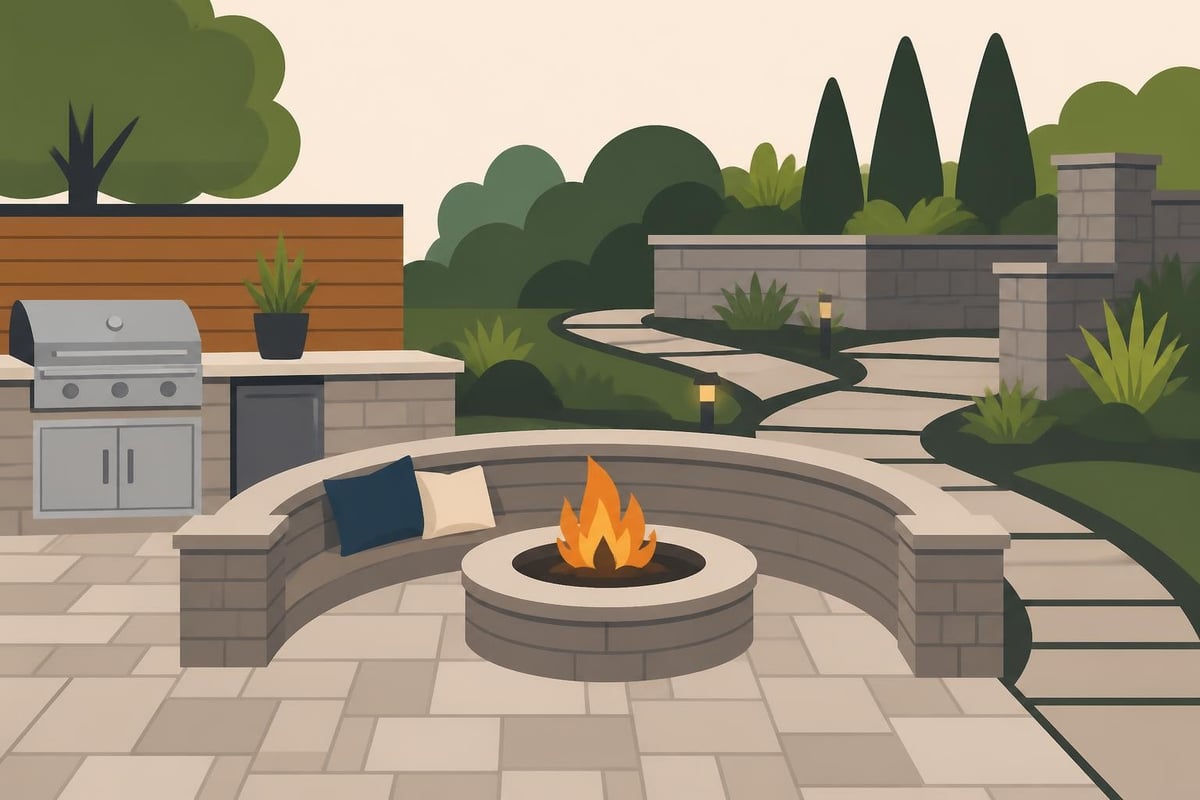
The best patio paver contractors think beyond standalone patios, designing integrated outdoor living environments that maximize functionality and aesthetic appeal.
Complementary features include:
- Fire pits and outdoor fireplaces creating focal points
- Seating walls providing built-in gathering spaces
- Outdoor kitchens and bar areas for entertainment
- Pergolas and shade structures for comfort
- Retaining walls managing elevation changes
- Pathways connecting different yard areas
- Water features adding ambiance
These integrated elements require specialized skills in structural design, drainage management, and cohesive aesthetic planning. Contractors with comprehensive hardscape capabilities deliver unified designs where all elements work together harmoniously.
Regional Considerations for Central Florida Installations
Central Florida's climate, soil conditions, and aesthetic preferences present unique requirements that experienced local contractors understand thoroughly.
Climate-Specific Material Selection
Florida's intense sun exposure, high humidity, heavy rainfall, and occasional temperature fluctuations demand careful material selection. Contractors familiar with regional conditions recommend pavers that resist fading, handle moisture cycles without deteriorating, and maintain slip resistance when wet.
Travertine pavers, popular in Florida for their heat-reflective properties and elegant appearance, require different installation considerations than concrete pavers. Experienced contractors understand these distinctions and adjust techniques accordingly.
Soil and Drainage Challenges
Central Florida's sandy soils present different challenges than clay-heavy soils common in other regions. While sandy soil provides excellent drainage, it also shifts more readily, requiring robust edge restraint and proper base preparation to maintain stability.
Contractors serving areas like Orlando, Winter Park, Sanford, and Clermont understand local soil characteristics and design drainage systems that handle Florida's heavy summer rainstorms without erosion or flooding.
Timeline Expectations and Project Management
Understanding realistic project timelines helps you plan accordingly and recognize when contractors are overpromising.
Typical Installation Duration
Patio installation timelines vary based on project size, complexity, weather conditions, and contractor scheduling. Small to medium patios (200-400 square feet) typically require 3-5 working days for complete installation, while larger or more complex projects may extend to 2-3 weeks.
Timeline breakdown for standard projects:
- Site preparation and excavation: 1-2 days
- Base material installation and compaction: 1-2 days
- Paver placement and cutting: 1-2 days
- Edge restraint, joint filling, and finishing: 1 day
- Cleanup and final inspection: Half day
Weather delays, particularly during Florida's summer rainy season, can extend these timelines. Professional contractors build buffer time into schedules and communicate proactively when delays occur.
Communication and Project Updates
Quality contractors maintain regular communication throughout the project, updating you on progress, addressing concerns, and explaining next steps. They designate specific points of contact, respond promptly to questions, and provide advance notice before each project phase begins.
Expect daily or every-other-day updates during active installation. Contractors should walk you through the completed work, explain maintenance requirements, and address any questions before considering the project finished.
Making Your Final Contractor Selection
After researching, vetting, and comparing options, certain factors should guide your final decision.
Beyond Price: Evaluating Overall Value
The lowest bid rarely delivers the best value. Consider the complete package: contractor reputation, material quality, installation thoroughness, warranty coverage, and long-term support.
Weight these factors in your decision:
- Contractor experience and specialization in paver installation
- References and reviews from recent customers
- Material quality and warranty coverage
- Installation method thoroughness and attention to detail
- Communication quality and responsiveness
- Professional presentation and business stability
- Payment terms and contract clarity
A contractor charging moderate pricing but delivering superior materials, meticulous installation, and comprehensive warranty protection provides far better value than a low-bidder using inferior materials and rushed methods.
Contract Essentials and Protection
Never proceed without a detailed written contract protecting both parties. This document should specify every project aspect, preventing misunderstandings and providing recourse if disputes arise.
Essential contract elements include:
| Contract Component | Specific Details Required |
|---|---|
| Scope of work | Complete description of all work performed, materials used, and features included |
| Material specifications | Exact paver brand, style, color, thickness; base material types and depths |
| Project timeline | Start date, estimated completion, weather delay provisions |
| Payment schedule | Deposit amount, progress payments, final payment terms |
| Warranty terms | Coverage duration, what's included/excluded, claim process |
| Change order process | How modifications are requested, approved, and priced |
| Cleanup requirements | Daily maintenance, final cleanup, disposal responsibilities |
| Cancellation terms | Conditions allowing either party to terminate agreement |
Review contracts thoroughly before signing. Don't hesitate to request clarifications or modifications. Reputable contractors expect and respect this diligence.
Maintaining Your Investment After Installation
Your relationship with quality patio paver contractors shouldn't end when installation completes. Ongoing maintenance protects your investment and preserves the beauty you've created.
Establishing Maintenance Routines
Regular maintenance prevents small issues from becoming expensive problems. Establish simple routines that keep your patio looking pristine and performing optimally.
Recommended maintenance schedule:
- Weekly: Sweep debris and rinse surface
- Monthly: Remove weeds from joints and borders
- Quarterly: Deep clean with appropriate products
- Annually: Professional inspection, cleaning, and re-sealing
- As needed: Address stains, repair damaged pavers, replenish joint sand
Following annual maintenance guidelines significantly extends paver lifespan and maintains like-new appearance. Many contractors offer maintenance programs providing scheduled service at reduced rates compared to one-time calls.
When to Call Professional Help
Certain issues require professional intervention rather than DIY approaches. Recognize when to contact your contractor or maintenance specialist:
- Significant settling or uneven areas developing
- Multiple cracked or broken pavers
- Persistent weed growth despite joint maintenance
- Ant colonization in joints
- Fading or discoloration across large areas
- Edge restraint failure or border separation
- Drainage problems or water pooling
Addressing these issues promptly prevents escalation into major repairs. Contractors who installed your patio understand its specific construction and can often resolve problems more efficiently than general maintenance companies.
Selecting the right patio paver contractors determines whether your outdoor living space becomes a source of pride and enjoyment or frustration and expense. By understanding what separates exceptional contractors from average ones, thoroughly vetting candidates, and prioritizing quality over price, you position your project for lasting success. Pink Palm Pavers brings licensed, insured craftsmanship to Central Florida homeowners, delivering beautiful, durable outdoor spaces backed by a 2-year warranty and the personalized attention that only a family-owned company provides.

