

Transforming your outdoor spaces starts with understanding the foundation beneath your feet. Patios and driveways represent two of the most significant hardscape investments homeowners make, serving both functional and aesthetic purposes that define your property's character. Whether you're planning a complete outdoor renovation or refreshing existing surfaces, the decisions you make about materials, design, and installation will impact your home's value and daily life for decades to come. In Central Florida's unique climate, where intense sun, heavy rainfall, and sandy soil conditions create specific challenges, choosing the right approach becomes even more critical for long-term success.
Understanding Material Options for Patios and Driveways
Selecting the right material forms the cornerstone of any successful hardscape project. Each option brings distinct advantages in terms of durability, appearance, maintenance requirements, and cost considerations.
Pavers: Versatility Meets Durability
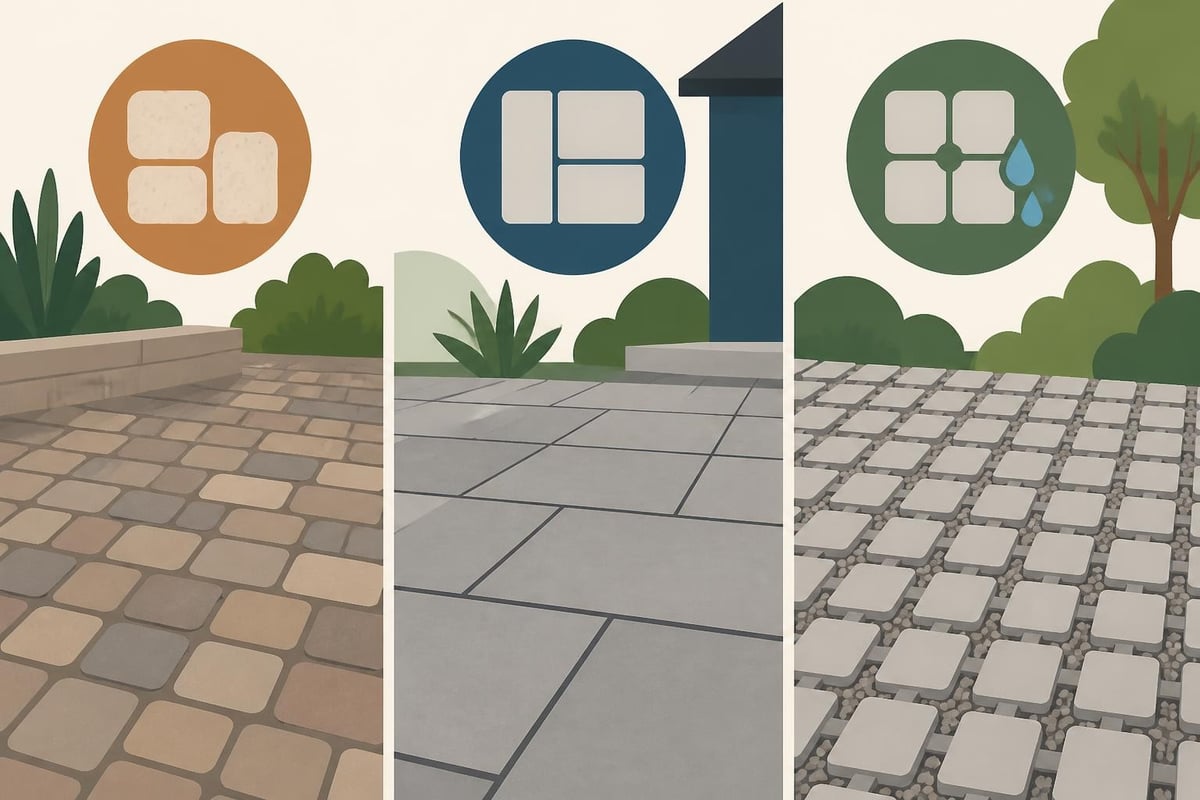
Concrete pavers have dominated the Central Florida hardscape market for good reason. These interlocking units offer exceptional strength while allowing for creative design flexibility that poured concrete simply cannot match. Pavers resist cracking better than monolithic surfaces because individual units can shift slightly with ground movement without creating visible damage.
The color and texture options available in 2026 have expanded dramatically:
- Tumbled finishes that replicate aged European stone
- Large-format pavers measuring 24×24 inches or larger for contemporary aesthetics
- Permeable pavers with built-in drainage channels for stormwater management
- Multi-toned blends that add natural variation and hide minor staining
When properly installed with adequate base preparation and edge restraints, paver installations can last 25-30 years before requiring significant intervention. Regular maintenance extends this lifespan even further, making them an excellent long-term investment.
Concrete and Alternative Materials
Poured concrete remains a popular choice for both patios and driveways due to its initial cost advantage and clean, uniform appearance. Modern techniques have elevated concrete beyond basic gray slabs. Stamped patterns, decorative saw cuts, and exposed aggregate surfaces now provide visual interest comparable to premium materials.
However, concrete's tendency to crack in Florida's climate requires careful consideration. Control joints help manage inevitable cracking, but they create visible lines that interrupt design flow. Resurfacing options exist but add to long-term maintenance costs.
| Material Type | Initial Cost | Lifespan | Maintenance Level | Design Flexibility |
|---|---|---|---|---|
| Concrete Pavers | $$$ | 25-30 years | Medium | Excellent |
| Poured Concrete | $$ | 20-25 years | Medium-High | Moderate |
| Natural Stone | $$$$ | 30+ years | Low-Medium | Excellent |
| Asphalt | $ | 15-20 years | High | Limited |
Natural stone patios deliver unmatched elegance but command premium prices. Travertine, bluestone, and flagstone create stunning outdoor spaces, though their porosity requires sealing in Florida's climate to prevent moisture absorption and efflorescence.
Current Design Trends Shaping Outdoor Spaces
The landscape of patio and driveway design evolves continuously as homeowners seek to balance aesthetics with functionality. Understanding current trends in residential outdoor flooring helps inform decisions that will remain stylish for years rather than appearing dated quickly.
Large-Format and Mixed-Material Layouts
One of the most significant shifts in 2026 involves the move toward larger individual units. Where 6×9 inch pavers once dominated, today's installations frequently feature 12×24 inch or even 24×24 inch formats. These larger sizes create a more contemporary, streamlined appearance while reducing the number of joints that require maintenance.
Mixed-material approaches combine two or three complementary materials within a single project. A driveway might feature pavers in the main field with contrasting border bands in a different color or size. Patios increasingly incorporate geometric patterns and contrasting borders that define distinct zones within larger outdoor living areas.
Common mixed-material combinations include:
- Paver field with natural stone borders for elegant definition
- Contrasting paver colors creating banding or geometric patterns
- Textured central areas with smooth borders for visual hierarchy
- Integrated lighting strips within paver layouts for nighttime ambiance
Sustainability and Permeable Solutions
Environmental consciousness has moved from niche interest to mainstream priority. Permeable garden design emphasizes allowing water to pass through hardscape surfaces rather than creating runoff that overwhelms drainage systems.
Permeable pavers feature wider joints filled with small stones or specialized materials that encourage water infiltration. This approach reduces pooling during Florida's intense summer storms while recharging groundwater supplies. Some municipalities now offer incentives for permeable installations, recognizing their role in stormwater management.
The environmental benefits extend beyond drainage. Permeable surfaces reduce the heat island effect that makes traditional concrete unbearably hot during summer months, creating more comfortable outdoor spaces even during peak afternoon temperatures.
Installation Considerations for Central Florida
Florida's unique conditions demand specialized installation approaches that differ significantly from northern climates. Understanding these regional requirements prevents common failures that compromise both appearance and functionality.
Base Preparation and Drainage
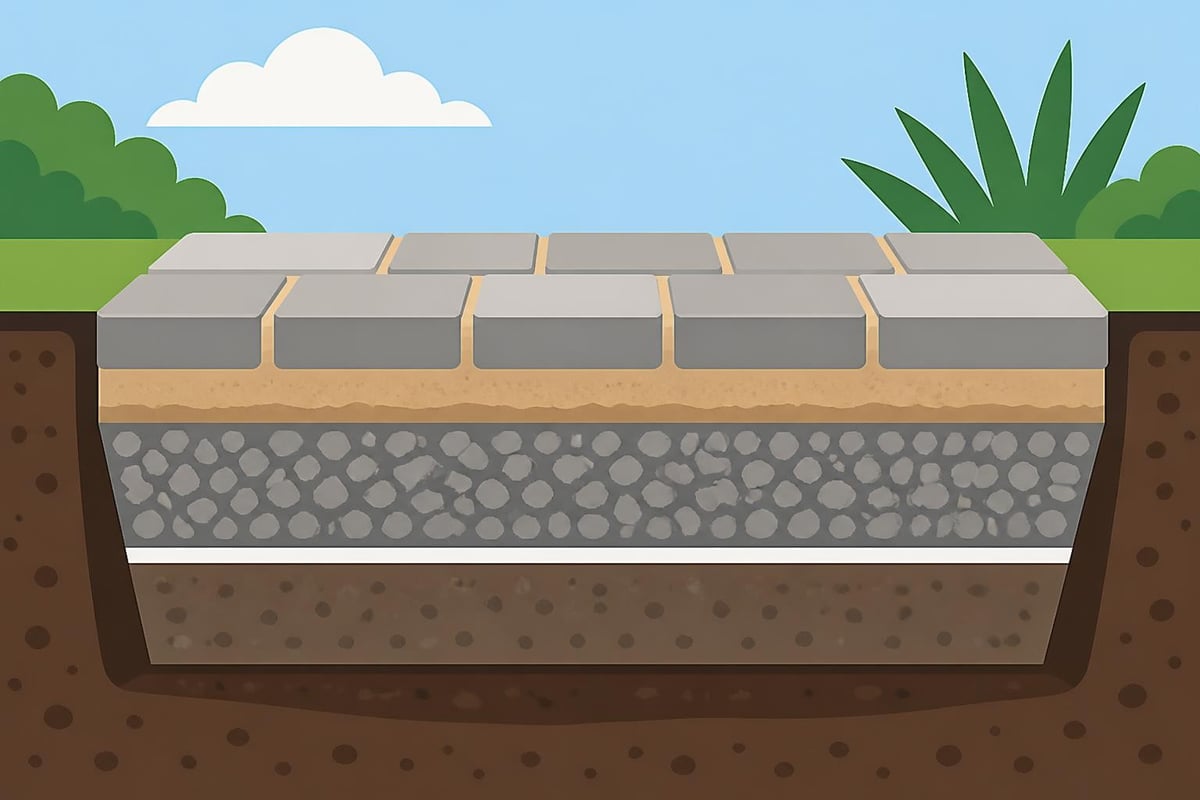
Proper base preparation cannot be overstated when discussing patios and driveways in Central Florida. The sandy soil prevalent throughout the region requires different techniques than clay-based soils found elsewhere. A typical installation includes:
- Excavation to appropriate depth based on intended use
- Geotextile fabric to prevent soil mixing with base materials
- 6-8 inches of crushed limestone properly compacted in lifts
- 1-2 inches of bedding sand for paver leveling
- Adequate slope ensuring water flows away from structures
Drainage planning must account for Central Florida's 50+ inches of annual rainfall. Without proper grading and drainage solutions, even the best materials will fail prematurely as water undermines the base structure.
Edge Restraints and Joint Stabilization
Professional installations always include concrete or plastic edge restraints that lock pavers in place and prevent lateral creep. These unseen components maintain the integrity of the entire installation, preventing the spreading that leads to uneven surfaces and trip hazards.
Joint sand selection has evolved significantly. Traditional sand washes out during heavy rains, creating voids that allow weeds and instability. Polymeric sand contains additives that bind when moistened, creating a semi-rigid joint that resists erosion while allowing necessary flexibility. For homeowners with existing pavers showing these issues, paver restoration and maintenance services can address these problems without complete replacement.
Design Integration and Cohesive Outdoor Spaces
Creating truly exceptional outdoor environments requires viewing patios and driveways not as isolated projects but as interconnected elements of a comprehensive design vision. The most successful installations demonstrate thoughtful integration with surrounding landscape features and architectural elements.
Connecting Spaces with Visual Flow
Visual continuity between your driveway and patio creates a polished, intentional appearance. This doesn't require identical materials throughout, but rather complementary choices that acknowledge each other. A driveway in warm-toned pavers might connect to a patio using the same color family in a different pattern or size.
Transition zones deserve particular attention. The area where a driveway meets a walkway, or where a patio adjoins the home, benefits from deliberate design choices rather than abrupt material changes. Border bands, soldier courses, or gradually shifting patterns ease these transitions elegantly.
Consider how various driveway materials complement patio selections when planning your overall landscape design. The investment in professional design guidance often pays dividends in avoiding costly mismatches that diminish your property's aesthetic appeal.
Functional Zones Within Patio Spaces
Modern patios serve multiple purposes beyond simple outdoor seating. Successful designs incorporate distinct functional zones for dining, conversation, cooking, and recreation. Material changes, level variations, or pattern shifts help define these areas without requiring walls or barriers.
A large patio might feature:
- Dining area with a durable, easy-clean surface near the kitchen access
- Fire feature zone with heat-resistant materials and adequate clearances
- Lounge space with comfortable scale and furniture-appropriate dimensions
- Garden transitions where hardscape gradually yields to planting beds
This zoning approach works particularly well in Central Florida, where outdoor spaces function as extensions of interior living areas throughout most of the year. Planning for furniture placement, shade structures, and traffic patterns during the design phase prevents expensive modifications later.
Maintenance Strategies for Long-Term Beauty
Even the highest-quality installations require ongoing maintenance to preserve their appearance and structural integrity. Understanding proper care procedures protects your investment and prevents minor issues from escalating into major problems.
Regular Cleaning and Sealing
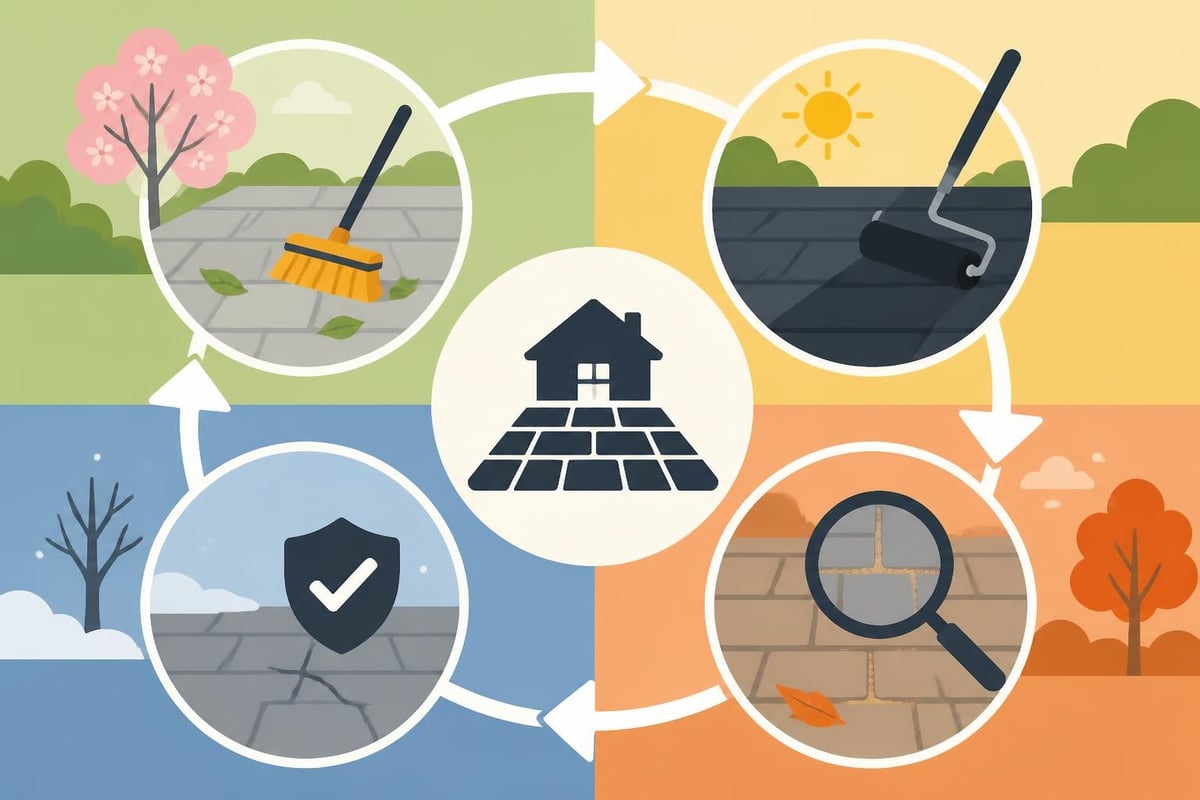
Routine cleaning removes the organic material, dirt, and stains that accumulate over time. For patios and driveways in Central Florida, quarterly cleaning prevents the mold and mildew growth that thrives in humid conditions. Pressure washing effectively removes surface contaminants, though proper technique prevents damage to paver surfaces and joint sand.
Sealing provides a protective barrier against stains, UV damage, and moisture intrusion. Quality sealers enhance color vibrancy while making future cleaning easier. The sealing schedule depends on traffic levels and exposure, but most Central Florida installations benefit from resealing every 2-3 years.
Professional maintenance includes:
- Pressure washing to remove embedded dirt and organic growth
- Joint sand replacement where erosion has created voids
- Stain treatment for oil, rust, or organic discoloration
- Sealer application using commercial-grade products
- Damage repair addressing any cracked or settled pavers
Addressing Common Issues Proactively
Minor settling or individual paver displacement occurs occasionally, particularly around utility covers or at transition points. Addressing these issues promptly prevents accelerated deterioration. A single sunken paver can create a trip hazard and allow water infiltration that undermines adjacent areas.
Weed prevention starts with proper installation but requires ongoing attention. Polymeric sand significantly reduces weed emergence, but persistent plants occasionally find purchase. Spot treatment with environmentally appropriate herbicides or manual removal maintains clean joints without damaging surrounding materials.
Efflorescence, the white crystalline deposit that sometimes appears on pavers, results from mineral salts migrating to the surface. While unsightly, it's generally harmless and resolves naturally over time. Specialized cleaners can accelerate removal if desired, though patience often proves equally effective.
Value Considerations and Return on Investment
Financial planning for patio and driveway projects extends beyond initial installation costs. Understanding the full economic picture helps homeowners make informed decisions that balance budget constraints with long-term value creation.
Initial Investment vs. Lifecycle Costs
Cheaper installations often prove expensive over time. A low-bid concrete driveway requiring extensive crack repair and resurfacing within five years ultimately costs more than a properly installed paver driveway that maintains its appearance for decades with minimal intervention.
Lifecycle cost analysis should consider:
| Factor | Pavers | Concrete | Asphalt |
|---|---|---|---|
| Installation | Higher | Moderate | Lower |
| Annual Maintenance | Low | Moderate | High |
| Major Repairs (20 yrs) | Minimal | Significant | Extensive |
| Replacement Cost | Partial possible | Full replacement | Full replacement |
| Property Value Impact | High | Moderate | Low |
Professional installation backed by warranties provides protection against premature failure. Reputable contractors offer guarantees covering both materials and workmanship, ensuring that installation errors don't become homeowner expenses. Throughout service areas in Central Florida, quality standards vary significantly, making contractor selection crucial.
Property Value Enhancement
Well-designed, professionally installed patios and driveways consistently deliver strong returns when selling a home. Real estate professionals report that quality hardscaping ranks among the top exterior improvements influencing buyer decisions and supporting asking prices.
Curb appeal begins at the street, where your driveway creates the first impression of property maintenance and quality. A fresh, attractive driveway suggests careful homeownership throughout the property. Similarly, an inviting patio visible from key interior spaces extends perceived living area and enhances lifestyle appeal.
Beyond subjective appeal, quality hardscaping addresses practical concerns buyers evaluate. Adequate parking, defined outdoor entertaining space, and low-maintenance surfaces appeal to today's busy homeowners seeking move-in-ready properties.
Working with Professional Installers
The complexity of proper hardscape installation makes professional expertise invaluable. While ambitious DIY enthusiasts might tackle small walkway projects, patios and driveways demand knowledge, equipment, and experience that professionals bring to every project.
What to Expect from Quality Contractors
Licensed and insured contractors protect homeowners from liability and provide recourse if problems arise. Florida requires specific licensing for hardscape work, and verifying credentials prevents issues with unlicensed operators who may lack proper training or financial stability.
Initial consultations should include site evaluation, design discussion, and detailed written estimates. Quality contractors explain material options, show previous work examples, and provide realistic timelines. Pressure tactics or unusually low bids often signal problems that emerge during or after installation.
The installation process typically follows this sequence:
- Site preparation including excavation and utility location
- Base installation with proper compaction and grading
- Edge restraint placement to secure the perimeter
- Paver laying following approved design plans
- Joint filling with appropriate sand products
- Sealing if specified in the contract
- Final inspection and cleanup
Questions to Ask Before Hiring
Informed homeowners ask specific questions that reveal contractor quality and commitment. Beyond basic licensing verification, inquire about:
- Experience with Florida-specific conditions and soil challenges
- Warranty coverage for both materials and installation
- Project timeline including weather contingencies
- Crew composition and whether subcontractors will be used
- Material sourcing and manufacturer specifications
- Previous work in your specific neighborhood if possible
References from recent projects provide valuable insight into contractor performance, communication, and problem-solving abilities. Visiting completed projects throughout areas like Winter Park or Sanford reveals quality levels and design capabilities firsthand.
Emerging Technologies and Future Developments
The hardscape industry continues evolving with new materials, installation techniques, and design approaches that enhance both performance and aesthetics. Staying informed about emerging paver layout trends helps homeowners make choices that remain current.
Smart Integration and Outdoor Technology
Integrated lighting has moved beyond simple path lights to sophisticated systems embedded within paver installations. LED strips between pavers create dramatic nighttime effects while improving safety. Solar-powered options eliminate wiring complexity while supporting sustainability goals.
Heating elements embedded beneath patios extend usability during cooler months, though Central Florida's mild winters make this less critical than in northern climates. However, radiant heating can reduce moisture retention, preventing slippery surfaces after rain events.
Drainage technology has advanced significantly with channel drains, catch basins, and permeable systems that manage water more effectively than traditional grading alone. These systems prove particularly valuable in low-lying areas or properties with challenging drainage conditions.
Material Innovation and Durability Improvements
Manufacturer research continues improving paver durability, color retention, and slip resistance. New concrete formulations resist efflorescence more effectively while maintaining strength. Surface treatments provide enhanced stain resistance without compromising natural appearance.
Porcelain pavers have gained market share for patios, offering exceptional density, stain resistance, and color options that mimic natural stone or wood. While initially more expensive than concrete pavers, their minimal maintenance requirements and extreme durability appeal to homeowners seeking premium, low-maintenance solutions.
Recycled content in pavers addresses environmental concerns while often improving performance characteristics. Some manufacturers incorporate recycled glass, plastics, or industrial byproducts, creating sustainable products that meet or exceed traditional paver specifications.
Creating beautiful, durable patios and driveways requires careful planning, quality materials, and expert installation that accounts for Central Florida's unique climate and soil conditions. Whether you're envisioning a complete outdoor transformation or refreshing existing hardscape, professional guidance ensures your investment delivers lasting value and enjoyment. Pink Palm Pavers brings family-owned dedication and licensed expertise to every project across Central Florida, from initial design through final sealing, backed by our comprehensive 2-year warranty. Contact us today to schedule your free onsite consultation and discover how we can transform your outdoor spaces.

