

Choosing the right paver installation company is one of the most important decisions you'll make when transforming your outdoor living space. Whether you're planning a new patio, driveway, pool deck, or walkway, the quality of installation directly impacts durability, appearance, and long-term value. A professional installation means decades of enjoyment, while shortcuts or inexperienced work can lead to settling, shifting, weed growth, and costly repairs within just a few years. Understanding what separates exceptional contractors from mediocre ones empowers you to make an informed choice that protects your investment and delivers the outdoor space you envision.
Why Professional Installation Matters for Your Hardscape Project
The difference between DIY or amateur installation and professional work becomes evident within the first year. Proper paver installation requires specialized knowledge of soil conditions, drainage patterns, base preparation techniques, and material specifications that only experienced contractors possess.
A qualified paver installation company understands that the surface pavers you see represent just 20% of the total project. The remaining 80% lies beneath the surface in proper excavation, compaction, and base material selection. According to industry best practices, the base material and its installation directly determine whether your pavers will remain level and stable for decades or begin settling and shifting within months.
The Hidden Costs of Improper Installation
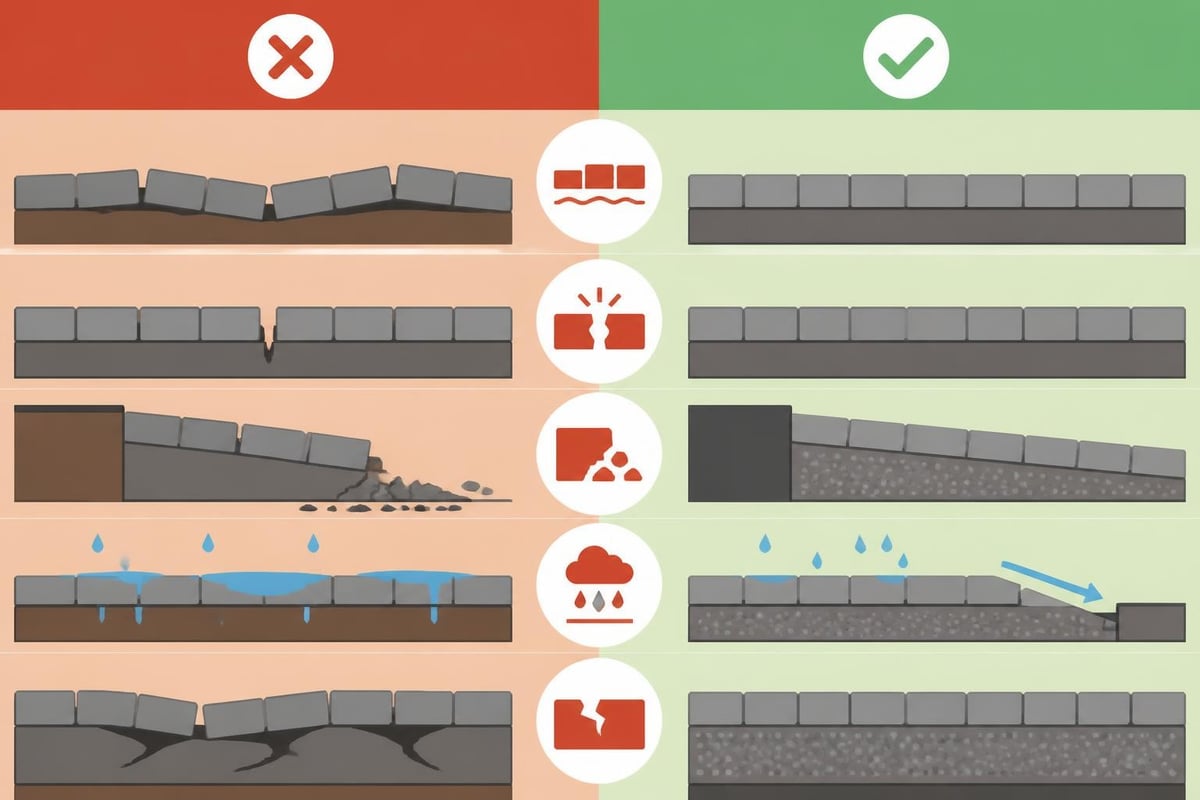
Budget-focused homeowners sometimes select contractors based solely on price, only to face expensive repairs later. Common issues from substandard installation include:
- Uneven settling creating trip hazards and drainage problems
- Joint separation allowing weed growth and ant colonization
- Edge failure causing pavers to shift or collapse at borders
- Poor drainage leading to standing water and erosion
- Premature surface deterioration from inadequate base support
These problems rarely appear immediately. Instead, they develop gradually over months or years, often after warranty periods expire or contractors have moved on to other projects.
Essential Credentials and Qualifications to Verify
Not all paver installation companies operate with the same standards or credentials. Florida's climate and soil conditions demand specific expertise that only properly trained and licensed contractors possess.
Licensing and Insurance Requirements
Licensed contractors demonstrate accountability and knowledge of building codes, safety regulations, and industry standards. In Florida, hardscape contractors should carry proper licensing appropriate to their scope of work.
Equally important is comprehensive insurance coverage. A professional paver installation company maintains both general liability insurance and workers' compensation coverage. This protects you from financial responsibility if accidents occur on your property or if installed work causes damage.
Request proof of both licensing and insurance before signing any contracts. Verify that policies are current and coverage limits are adequate for your project scope. Legitimate contractors provide this documentation readily and understand why homeowners ask.
| Credential Type | Why It Matters | What to Verify |
|---|---|---|
| Business License | Legal operation, accountability | Current status with state/county |
| Liability Insurance | Property damage protection | Coverage limits, expiration date |
| Workers' Comp | Employee injury protection | Active policy, adequate coverage |
| Certifications | Technical expertise | ICPI or manufacturer training |
Experience with Florida-Specific Conditions
Central Florida's unique environment presents specific challenges that require localized expertise. Sandy soils, high water tables, extreme heat, heavy rainfall, and freeze-thaw cycles (though rare) all impact installation methods.
An experienced Florida paver installation company understands these factors and adjusts techniques accordingly. They know when geotextile fabric prevents base contamination, how to engineer proper drainage for afternoon thunderstorms, and which materials withstand intense UV exposure without fading.
Understanding the Complete Installation Process
Professional installation follows a systematic process that ensures structural integrity and lasting beauty. Each phase builds upon the previous one, making shortcuts or skipped steps particularly damaging to final results.
Phase One: Site Assessment and Planning
Quality contractors begin with thorough site evaluation. They assess existing drainage patterns, soil composition, slope requirements, and utilities location. This information guides design recommendations and installation specifications.
Proper planning during this phase prevents costly changes during construction. Professional companies provide detailed proposals specifying excavation depth, base materials, edge restraint systems, and drainage solutions customized to your specific site conditions.
Phase Two: Excavation and Base Preparation
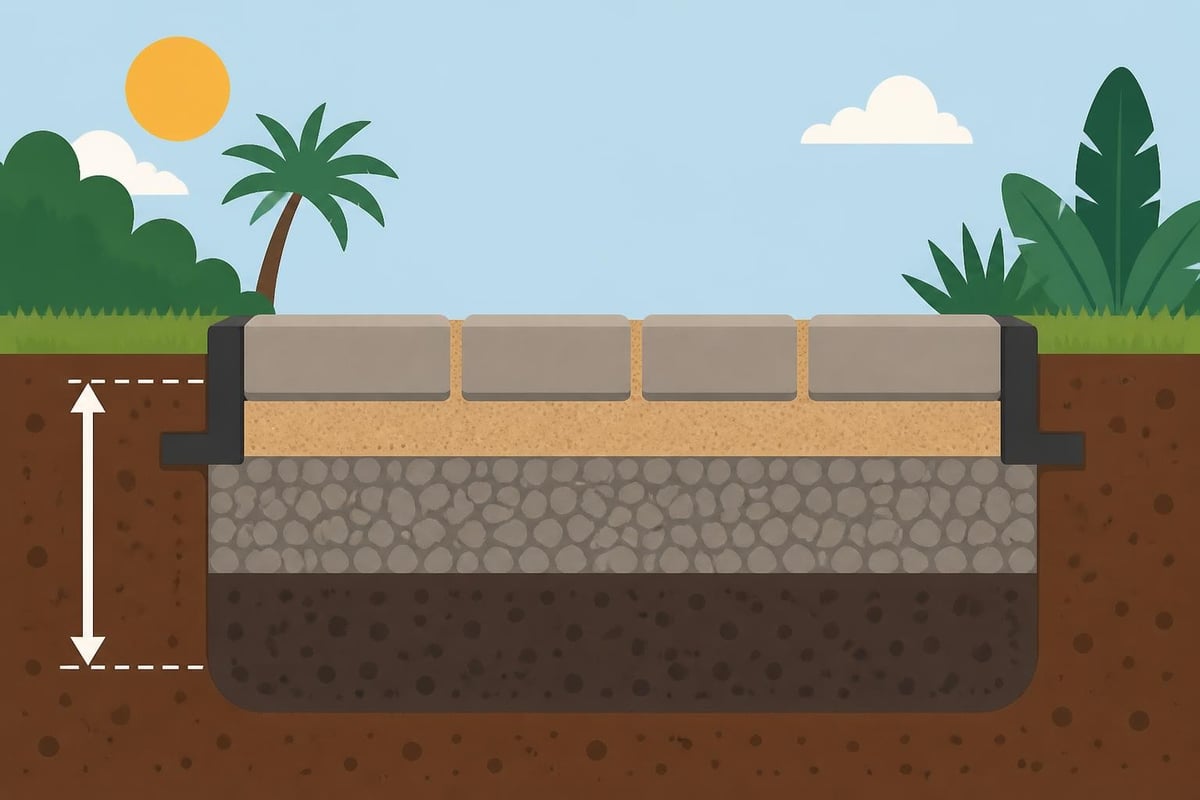
This critical phase determines long-term performance. Contractors excavate to proper depth, typically 7-12 inches depending on application and soil conditions. The excavated area must be level, properly sloped for drainage, and thoroughly compacted.
Base material selection separates professional work from amateur attempts. Industry standards recommend specific aggregate gradations that provide stability while allowing water permeation. Common materials include:
- Crushed limestone or granite (angular edges for better compaction)
- Road base or crusher run for heavy-duty applications
- Open-graded base for superior drainage in high-water areas
Each layer receives mechanical compaction to 95% or greater density. Professional contractors use plate compactors or vibratory rollers, never hand tampers, to achieve proper compaction across the entire area.
Phase Three: Edge Restraints and Bedding Layer
Edge restraints prevent lateral movement that causes pavers to shift and separate over time. Professional installations incorporate commercial-grade plastic edging, concrete curbing, or soldier course pavers secured with concrete to maintain dimensional stability.
The bedding layer, typically one inch of coarse concrete sand, provides final leveling before paver placement. This layer must remain uniform in depth and never be compacted before paver installation, as detailed in standard installation guides.
Phase Four: Paver Placement and Finishing
Professional installers place pavers following planned patterns, maintaining consistent joint spacing using actual spacer bars rather than eyeballing gaps. They cut edge pieces with proper equipment, achieving clean lines and tight fits.
After placement, contractors sweep polymeric sand into joints and activate it according to manufacturer specifications. This specialized sand hardens when moistened, preventing weed growth, insect infiltration, and joint erosion. Final compaction with a plate compactor equipped with protective pads locks pavers into position without surface damage.
Selecting Materials That Match Your Vision and Budget
A knowledgeable paver installation company helps you navigate material options, balancing aesthetics, performance, and budget considerations. The choices you make impact both immediate appearance and long-term maintenance requirements.
Material Types and Performance Characteristics
Concrete pavers dominate the Central Florida market due to their versatility, durability, and cost-effectiveness. Modern manufacturing creates products in virtually unlimited colors, textures, and patterns. High-quality concrete pavers withstand Florida's climate exceptionally well when properly installed.
Natural stone pavers including travertine, bluestone, and flagstone offer unique character and timeless beauty. These premium materials typically cost more than concrete but provide distinctive appearance and can increase property value significantly.
Clay brick pavers deliver classic aesthetics with excellent durability. While less common for large installations due to cost, they work beautifully for walkways, courtyards, and accent areas.
Color and Pattern Considerations
Professional contractors guide pattern selection based on space size, architectural style, and intended use. Smaller patios benefit from simple patterns that avoid visual clutter, while larger areas accommodate elaborate designs that create focal points.
Color selection impacts both aesthetics and practical performance. Lighter colors reflect heat, staying cooler underfoot around pools. Darker tones hide stains better but absorb more heat. Quality paver installation companies maintain sample displays showing how colors appear in actual installations rather than small warehouse samples.
Questions to Ask Before Hiring
Informed homeowners ask specific questions that reveal contractor quality and reliability. The answers you receive, and how readily contractors provide them, signal professionalism and competence.
Project Timeline and Process Questions
What is the complete timeline from contract signing to project completion? Professional companies provide realistic schedules accounting for material delivery, weather contingencies, and crew availability.
How do you handle unexpected site conditions? Issues like buried utilities, rock layers, or high water tables sometimes emerge during excavation. Understand how changes are communicated and costs adjusted.
Who will be on-site managing daily work? Knowing whether the owner, project manager, or crew foreman oversees installation helps you understand accountability and communication channels.
Technical Specification Questions
Professional contractors welcome technical questions and answer them confidently:
- What base depth and materials will you use for my specific application?
- How will you ensure proper drainage given my site's slope and soil?
- What edge restraint system will prevent lateral movement?
- Which compaction equipment will you use and what density will you achieve?
- How long should I wait before using the newly installed surface?
Vague answers or reluctance to discuss technical details raises red flags about expertise and transparency.
Warranty and Post-Installation Support
Warranty coverage demonstrates contractor confidence in their work. Reputable companies offer written warranties covering both materials and workmanship, typically ranging from one to five years. For instance, Pink Palm Pavers backs installations with a comprehensive 2-year warranty, reflecting their commitment to quality and customer satisfaction.
Understand what the warranty covers, what actions void coverage, and how claims are processed. Ask about typical response times if issues arise and whether the company provides maintenance services to protect your investment long-term.
The Value of Local Expertise and Reputation
A paver installation company with deep roots in Central Florida brings advantages that distant or transient contractors cannot match. Local companies build reputations over years and decades, creating accountability that protects homeowners.
Community Connections and Accountability
Established local contractors depend on referrals and repeat business. They cannot afford quality shortcuts or unresolved customer complaints because their reputation directly impacts future opportunities. This inherent accountability benefits homeowners through responsive service and commitment to satisfaction.
Local companies also maintain ongoing relationships with material suppliers, ensuring access to quality products and competitive pricing. They understand permitting requirements in various municipalities and have working relationships with local building departments.
Portfolio and References
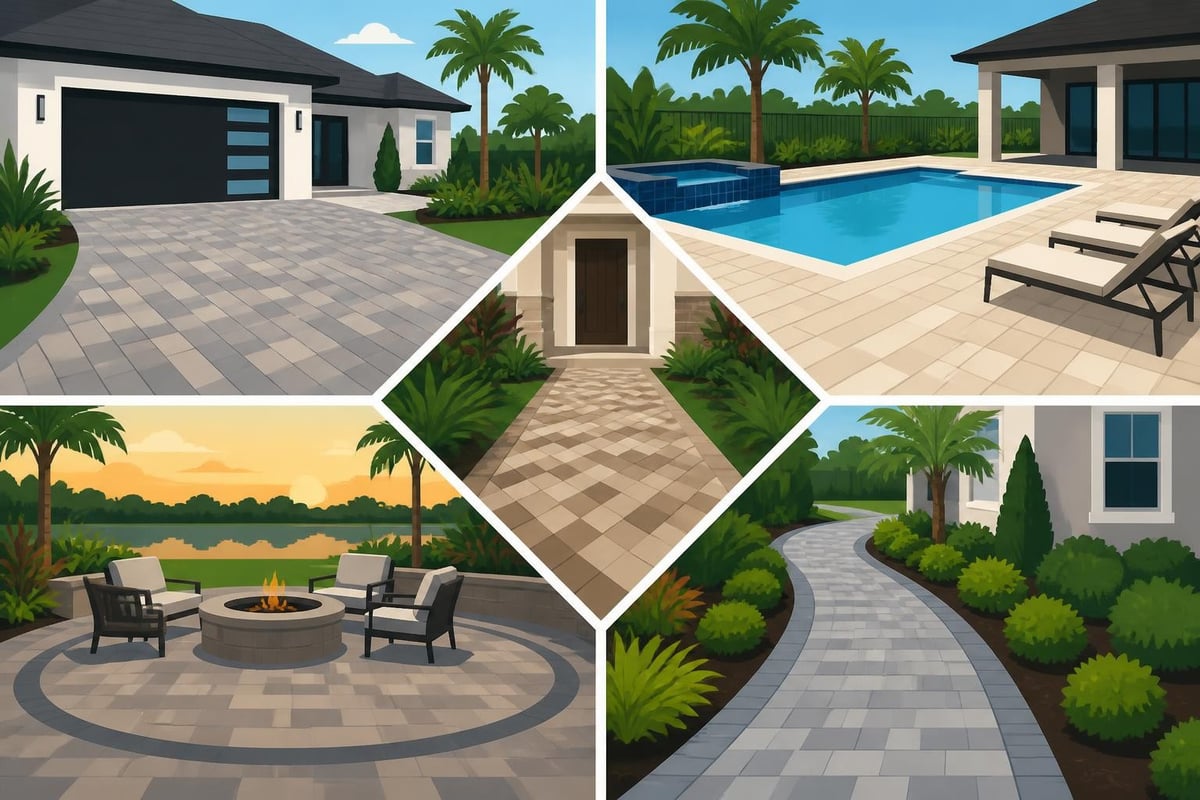
Professional paver installation companies maintain extensive portfolios showcasing completed projects. Review these carefully, looking for installations similar to your planned project in scope, style, and application. Gallery examples demonstrate design capabilities and execution quality.
Request references from recent clients with similar projects. Contact these references asking about communication, timeline adherence, job site cleanliness, and overall satisfaction. Quality contractors provide references enthusiastically because they know previous clients appreciate their work.
Red Flags and Warning Signs to Avoid
Certain contractor behaviors signal potential problems. Recognizing these warning signs protects you from costly mistakes and disappointing results.
Pricing and Payment Issues
Extremely low bids often indicate corner-cutting on materials, inadequate base preparation, or unlicensed labor. While budget consciousness makes sense, suspiciously low pricing rarely delivers quality results. Avoiding common installation mistakes requires proper materials and skilled labor, both of which cost money.
Large upfront deposits exceeding 10-20% of project cost raise concerns about financial stability. Professional contractors require reasonable deposits covering material procurement but never demand full payment before completion.
Cash-only transactions suggest tax avoidance or unlicensed operation. Legitimate businesses accept checks and credit cards, providing proper documentation for warranty and tax purposes.
Communication and Professionalism Concerns
- Reluctance to provide written contracts with detailed specifications
- Pressure tactics demanding immediate decisions
- Unavailability or slow response to questions and concerns
- Inability to provide current license and insurance documentation
- Lack of physical business address or professional presence
Trust your instincts. If something feels wrong during initial interactions, it rarely improves once work begins.
Maximizing Your Investment Through Proper Planning
Strategic planning before contractor selection ensures you get exactly what you want within your budget. Taking time during the planning phase prevents expensive change orders and disappointment with final results.
Defining Your Project Scope Clearly
Create a detailed vision for your space before requesting quotes. Consider:
- Primary function: Entertaining area, vehicle parking, pool access, garden pathway
- Size and configuration: Measurements, shape, integration with existing features
- Design preferences: Patterns, colors, borders, special features
- Budget parameters: Total available investment, flexibility for upgrades
- Timeline requirements: Preferred completion date, seasonal considerations
Share this information with prospective contractors during initial consultations. Clear communication ensures accurate quotes and prevents misunderstandings that derail projects.
Understanding Cost Components
Paver installation pricing reflects multiple factors beyond just material costs. Professional companies price projects comprehensively, including:
| Cost Component | Typical Percentage | What It Covers |
|---|---|---|
| Materials | 25-35% | Pavers, base aggregate, sand, edging |
| Labor | 40-50% | Skilled installation, supervision |
| Equipment | 10-15% | Excavation, compaction, cutting tools |
| Overhead | 10-15% | Insurance, licensing, administrative costs |
| Profit Margin | 10-15% | Business sustainability, warranties |
Understanding these components helps you evaluate quotes fairly and recognize when pricing seems unrealistic for the scope of work involved.
Seasonal Considerations in Florida
Central Florida's weather patterns influence project scheduling and installation conditions. Summer brings afternoon thunderstorms that can delay work, while winter offers more predictable weather windows. However, winter also represents peak construction season with longer lead times.
Discuss timing with your chosen paver installation company to balance weather considerations, scheduling availability, and your personal timeline. Flexibility often yields better pricing and crew availability during slower periods.
Maintenance and Long-Term Performance
Professional installation provides the foundation, but proper maintenance preserves beauty and performance for decades. Understanding ongoing care requirements helps you protect your investment and maximize its lifespan.
Initial Break-In Period
Newly installed pavers require a brief adjustment period. Avoid heavy traffic or vehicle use for 48-72 hours after completion, allowing joint sand to fully settle and polymeric sand to cure properly. Follow your contractor's specific recommendations for your installation.
Some initial joint sand settling is normal. Quality contractors return after 30-60 days to top off joints and address any minor settling issues included in their service.
Ongoing Maintenance Requirements
Regular cleaning prevents stain accumulation and organic growth. Gentle washing with water and mild detergent maintains appearance without damaging surfaces or joint sand. Avoid pressure washing at excessive pressures that dislodge joint material.
Periodic sealing enhances color, provides stain resistance, and protects against weathering. Most installations benefit from sealing every 2-3 years, depending on wear and exposure. Professional services ensure proper preparation and product selection for your specific pavers.
Joint maintenance prevents weed growth and insect infiltration. Address any joint degradation promptly by adding fresh polymeric sand to maintain interlock and stability.
Central Florida homeowners dealing with existing paver installations showing wear or degradation should consider professional restoration services that can revive surfaces through deep cleaning, re-sanding, and protective sealing.
Integration with Broader Landscape Design
Paver installations rarely exist in isolation. Professional paver installation companies consider how hardscape elements integrate with broader landscape features, creating cohesive outdoor environments.
Coordinating Hardscape and Softscape
Transition zones between paved areas and planted beds require careful planning. Proper edging prevents soil migration onto pavers while maintaining clean sight lines. Consider how plant selections complement paver colors and how mature plant sizes will interact with hardscape boundaries.
Drainage coordination becomes critical where paved surfaces meet landscape beds. Professional design ensures water flows appropriately, preventing erosion in planted areas or standing water on pavers.
Multi-Phase Planning
Large-scale outdoor transformations often occur in phases due to budget constraints or seasonal considerations. A quality contractor helps you prioritize phases logically, ensuring each stage stands alone functionally while integrating seamlessly with future additions.
Initial installations might focus on primary gathering spaces like patios, with walkways, driveways, or additional hardscape features added later. Discussing long-term vision during initial planning ensures current work doesn't limit or complicate future phases.
Making Your Final Selection Decision
After researching options, gathering quotes, and interviewing contractors, you face the final selection decision. Approach this choice methodically, weighing all factors rather than focusing solely on price.
Comparative Evaluation Framework
Create a simple evaluation matrix rating each contractor on critical factors:
- Technical competence (licensing, experience, knowledge)
- Communication quality (responsiveness, clarity, professionalism)
- Pricing transparency (detailed quotes, reasonable terms)
- Portfolio relevance (similar projects, quality standards)
- References and reputation (client feedback, online reviews)
- Warranty and support (coverage terms, maintenance services)
- Overall confidence (gut feeling, trust level)
This structured approach prevents emotional decisions or overemphasis on single factors while missing broader concerns.
Trust Your Instincts
Beyond objective evaluation, consider your comfort level and confidence in each contractor. You'll work closely with these professionals during installation and potentially for years afterward through maintenance and warranty service. Choose a paver installation company you trust to deliver on promises and stand behind their work.
The right contractor communicates clearly, answers questions thoroughly, demonstrates genuine interest in your vision, and exhibits pride in their craft. These intangible qualities often matter as much as technical credentials in predicting successful outcomes.
Beyond Installation: Building Lasting Relationships
The best client-contractor relationships extend far beyond project completion. Forward-thinking homeowners view their chosen paver installation company as long-term partners in outdoor space maintenance and enhancement.
Ongoing Support and Services
Professional companies offer services beyond initial installation including:
- Annual maintenance programs providing cleaning and sealing
- Repair services addressing damage from vehicles, settling, or accidents
- Expansion projects adding to existing installations as needs evolve
- Consultation services for landscape changes or property improvements
Maintaining relationships with your original installer ensures consistent quality and familiarity with your specific installation when future needs arise.
Referral Value and Community Impact
Satisfied clients become valuable advocates for quality contractors. Sharing positive experiences through referrals and online reviews helps excellent companies grow while guiding other homeowners toward reliable professionals. This community benefit strengthens the overall quality of local service markets.
Selecting the right paver installation company determines whether your outdoor investment delivers decades of beauty and function or years of frustration and repairs. Professional installation, backed by proper credentials, quality materials, and comprehensive warranties, protects your investment and ensures lasting satisfaction. If you're planning a paver project across Central Florida, Pink Palm Pavers brings family-owned dedication, licensed expertise, and a proven track record to every installation, backed by a 2-year warranty and commitment to transforming your outdoor vision into enduring reality.

