

Paver work encompasses a wide range of outdoor hardscaping projects that transform ordinary yards into functional, beautiful outdoor living spaces. From driveways and patios to pool decks and walkways, professional paver work requires technical expertise, quality materials, and meticulous attention to detail. Whether you're considering a new installation or looking to restore existing surfaces, understanding the fundamentals of paver work helps homeowners make informed decisions about their outdoor investments. In Central Florida's unique climate, proper paver work can withstand intense sun, heavy rainfall, and temperature fluctuations while maintaining aesthetic appeal for decades.
Understanding the Scope of Paver Work
Paver work refers to the complete process of designing, preparing, installing, and maintaining interlocking concrete or natural stone units that create durable outdoor surfaces. This specialized trade combines engineering principles with artistic design to deliver surfaces that distribute weight effectively while enhancing property value.
The scope extends far beyond simply laying bricks in sand. Professional paver work begins with site evaluation and soil analysis, continues through excavation and base preparation, and culminates in precise installation with proper drainage considerations. Each project requires custom solutions based on soil type, intended use, and local climate conditions.
Types of Paver Work Projects
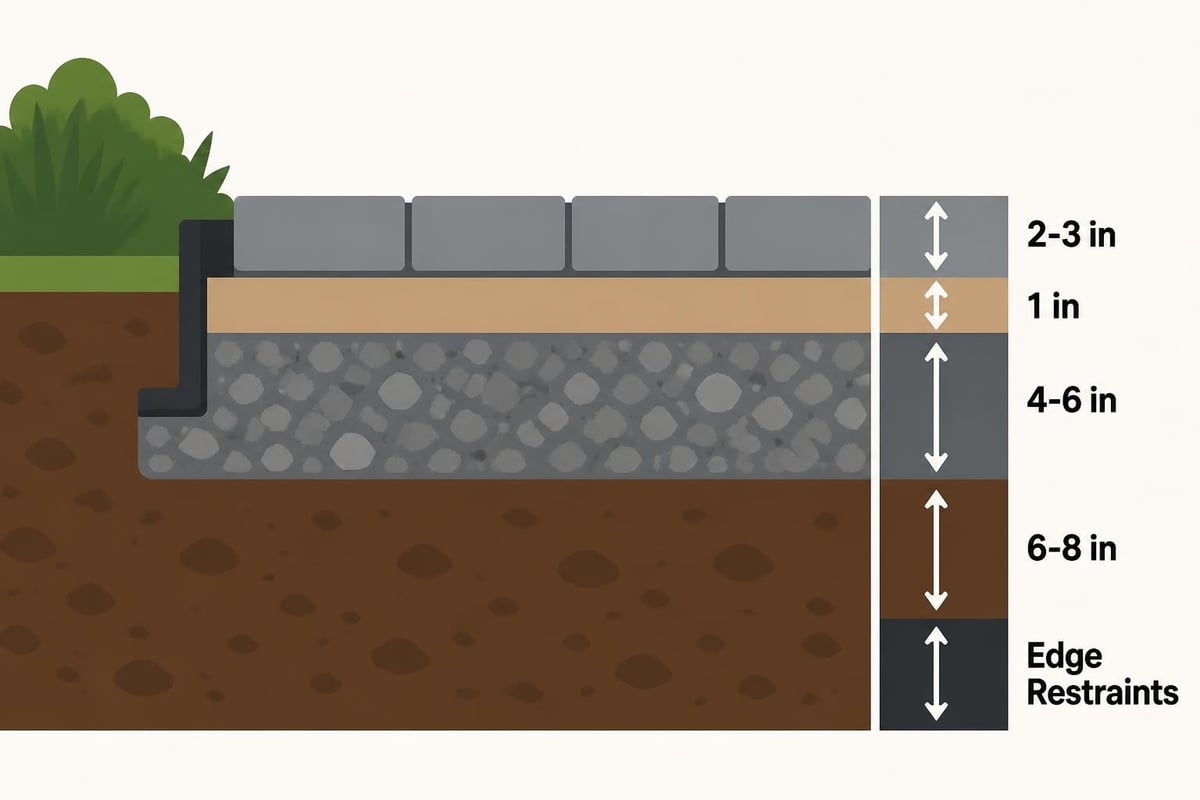
Homeowners commission paver work for numerous applications throughout their properties. Driveways represent one of the most demanding paver work projects, requiring substantial base preparation to support vehicle weight and prevent settling. The base typically consists of 6-8 inches of compacted aggregate, depending on soil conditions and expected traffic loads.
Patios and outdoor living spaces showcase paver work's aesthetic potential while creating functional entertainment areas. These projects allow for creative patterns, color combinations, and integrated features like fire pits or outdoor kitchens. Proper slope and drainage prevent water accumulation that could damage both the paver surface and surrounding structures.
Pool decks demand specialized paver work techniques to ensure slip resistance, proper drainage away from the pool, and resistance to chlorine and salt exposure. The materials selected must handle constant moisture exposure while remaining comfortable for bare feet during Florida's hot summers.
Additional applications include:
- Walkways and garden paths
- Retaining walls and seating walls
- Courtyard entries
- Commercial plazas and gathering spaces
- Crosswalks and parking areas
Essential Materials in Paver Work
Material selection significantly impacts the longevity, appearance, and maintenance requirements of paver work. Concrete pavers dominate the market due to their versatility, strength, and cost-effectiveness. Manufactured under controlled conditions, these units offer consistent dimensions, colors, and textures while meeting or exceeding industry strength standards.
Natural stone pavers including travertine, granite, and flagstone provide unique character and premium aesthetics. Each stone possesses distinct properties regarding porosity, slip resistance, and heat absorption. In Central Florida, travertine remains popular for pool decks because it stays cooler underfoot than concrete alternatives.
| Material Type | Compressive Strength | Average Cost per SF | Best Applications |
|---|---|---|---|
| Concrete Pavers | 8,000+ PSI | $8-15 | Driveways, patios, walkways |
| Clay Brick Pavers | 5,000-10,000 PSI | $12-20 | Historic renovations, walkways |
| Travertine | 4,000-6,000 PSI | $15-30 | Pool decks, luxury patios |
| Granite | 20,000+ PSI | $20-40 | High-traffic commercial areas |
Base and Bedding Materials
Successful paver work depends equally on what lies beneath the visible surface. Aggregate base materials like crushed limestone or granite provide structural support and drainage. The comprehensive paver installation guide emphasizes that proper compaction of base layers prevents settling and surface deformation over time.
Bedding sand creates a level setting bed while allowing minor adjustments during installation. Coarse, angular sand performs better than fine sand, which can wash away or shift under pressure. Some installers now use manufactured bedding materials designed for enhanced stability.
Polymeric sand fills joints between pavers after installation, hardening when activated with water to resist erosion, prevent weed growth, and deter insect infiltration. This material has revolutionized paver work maintenance by significantly reducing the need for re-sanding.
The Paver Work Installation Process
Professional paver work follows a systematic approach that ensures structural integrity and visual precision. Site preparation begins with marking project boundaries, identifying utility lines, and evaluating drainage patterns. Contractors assess existing soil conditions to determine appropriate base depth and any necessary soil amendments.
Excavation removes existing materials to the specified depth, typically 7-12 inches below the desired finished grade. This depth accommodates the aggregate base, bedding sand, and paver thickness while achieving proper elevation relative to surrounding surfaces. Slope calculations ensure water flows away from structures at the recommended 2% grade.
Base Construction and Compaction
The professional installation process requires meticulous base construction in lifts no greater than 3-4 inches. Each lift receives thorough compaction using plate compactors or jumping jacks before adding the next layer. This stepped approach achieves 95% or greater compaction density, preventing future settling.
Edge restraints installed along project perimeters contain the paver system and prevent lateral movement. These restraints may consist of plastic edging, aluminum or steel rails, or concrete curbs depending on project specifications and aesthetic preferences. Without proper edge restraint, even expertly installed paver work will eventually fail as units shift outward.
Bedding sand application creates a one-inch leveling course above the compacted base. Installers screed this layer to precise elevations using guide rails, ensuring consistent paver height across the entire surface. The sand remains loose and uncompacted at this stage to allow pavers to nestle in during final compaction.
Paver Placement and Finishing
Laying pavers requires attention to pattern alignment, joint spacing, and elevation consistency. Professional installers work from previously laid sections to avoid disturbing the prepared sand bed. String lines and frequent measurements maintain straight courses and proper reveals.
Cutting and fitting addresses field adjustments around curves, obstacles, and project edges. Wet saws with diamond blades produce clean cuts without damaging paver integrity. Complex patterns require more cuts, increasing both labor time and material waste percentages.
Final compaction using a plate compactor with a protective pad settles pavers into the bedding sand and achieves a uniform, level surface. Multiple passes in different directions ensure complete seating. Following compaction, polymeric sand sweeps across the surface fills joints completely before misting activates the binding agents.
Critical Factors Affecting Paver Work Quality
Drainage design separates successful paver work from projects plagued by standing water and premature failure. Beyond surface slope, comprehensive drainage considers subsurface water movement, incorporating perforated pipes, French drains, or catch basins when necessary. Central Florida's intense rainfall events demand robust drainage solutions that handle several inches of rain in short periods.
Soil conditions dramatically influence base requirements and long-term performance. Expansive clay soils common in parts of Florida require deeper aggregate bases or soil stabilization treatments to prevent heaving. Sandy soils drain well but may need additional depth or geotextile fabric to prevent base mixing with native material.
The detailed installation guidelines from industry experts emphasize that skipping steps or using substandard materials invariably leads to premature failure, regardless of installer skill level.
Climate Considerations for Central Florida
Florida's subtropical climate presents unique challenges for paver work. Intense UV exposure fades some paver colors over time, making fade-resistant products and protective sealants valuable investments. High humidity encourages organic growth on paver surfaces, requiring periodic cleaning to prevent slip hazards and aesthetic degradation.
Thermal expansion causes pavers to grow and contract with temperature changes. Proper joint spacing accommodates this movement without creating noticeable gaps or compression damage. Installers familiar with local conditions adjust joint widths based on paver material and expected temperature ranges.
Seasonal considerations impact project scheduling and installation techniques. Summer heat accelerates sand drying and polymeric sand curing, while afternoon thunderstorms may disrupt work schedules. Winter's cooler, drier conditions often provide ideal installation weather but limit landscaping integration.
Maintenance Requirements for Paver Work
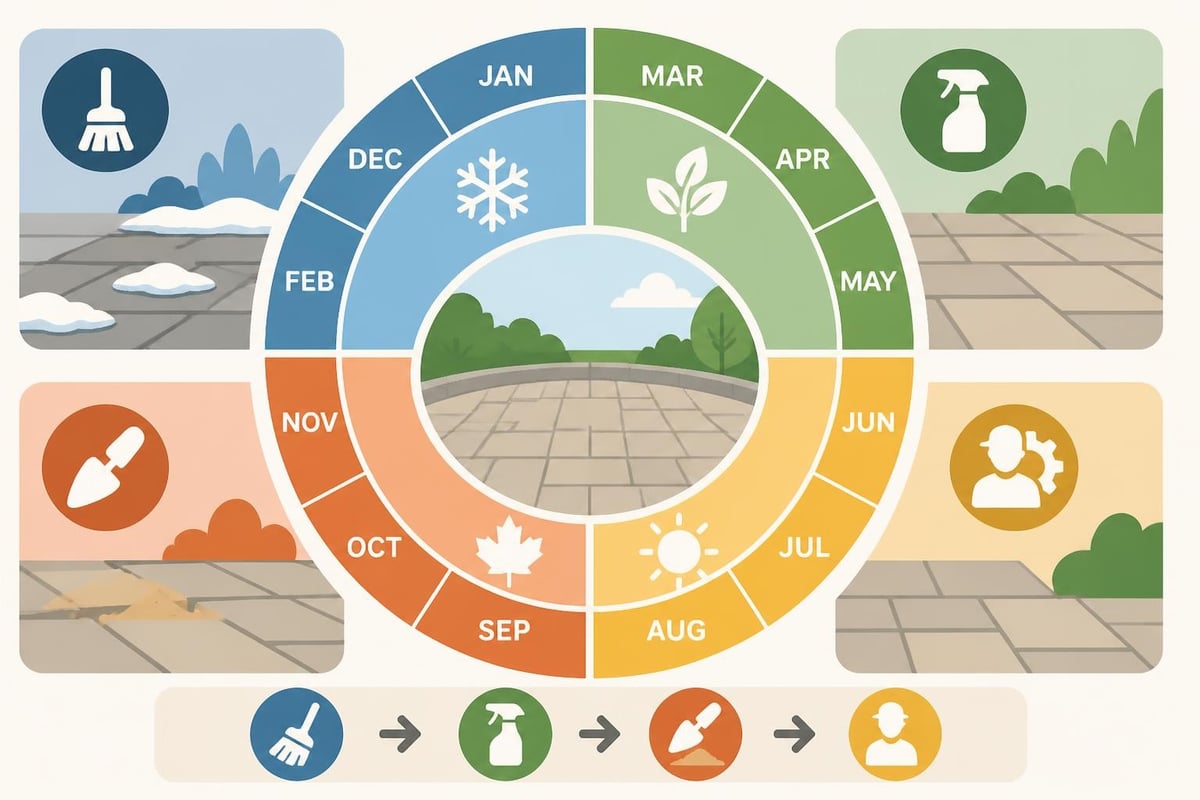
Routine maintenance preserves both the appearance and structural integrity of paver work. Regular cleaning removes dirt, organic debris, and potential staining agents before they penetrate paver surfaces. Sweeping, blowing, and occasional pressure washing keep surfaces looking fresh while preventing slip hazards from algae or moss growth.
The annual maintenance checklist recommended by industry professionals includes inspection of joint sand levels, identification of settling or shifting areas, and evaluation of sealer condition. Addressing minor issues promptly prevents escalation into major repairs.
Sealing and Protection
Protective sealers enhance color vibrancy, resist staining, and simplify cleaning while providing some UV protection. Solvent-based sealers penetrate deeper and last longer than water-based alternatives but require more careful application. Sealer performance varies by product quality, substrate porosity, and reapplication frequency.
Most sealers require reapplication every 2-4 years depending on traffic levels and exposure conditions. Professional paver restoration services include thorough cleaning before sealer application to ensure optimal adhesion and performance, breathing new life into faded or stained surfaces.
Joint sand maintenance prevents weed growth and insect infiltration while maintaining interlock between adjacent units. Polymeric sand reduces maintenance frequency compared to traditional sand but still requires monitoring. Low areas need replenishment to prevent increased movement and potential paver damage.
Common Paver Work Challenges and Solutions
Settling and unevenness represents the most frequent paver work issue, typically resulting from inadequate base preparation or poor drainage. Solutions range from simple re-leveling of affected areas to complete reconstruction with improved base specifications. Catching settlement early minimizes repair complexity and cost.
Weed and vegetation growth emerges when joint sand washes away or organic material accumulates between pavers. Prevention through proper polymeric sand installation and regular cleaning proves more effective than constant weed removal. Herbicidal treatments offer temporary relief but don't address underlying causes.
Staining and Discoloration
Efflorescence appears as white, powdery deposits on paver surfaces when water-soluble salts migrate to the surface and crystallize. This natural phenomenon typically diminishes over time but can be accelerated through specialized cleaners and proper sealing. Efflorescence doesn't indicate structural problems but affects appearance.
Organic stains from leaves, berries, or algae require prompt attention for easiest removal. Different stain types demand specific cleaning approaches; what works for rust won't help with oil stains. The maintenance tips from industry professionals provide guidance for addressing common staining issues without damaging paver surfaces.
Tire marks and oil stains particularly affect driveway paver work. Degreasing agents and hot water pressure washing remove most petroleum-based stains if addressed promptly. Sealed surfaces resist penetration, making cleanup significantly easier.
Cost Factors in Paver Work Projects
Material costs vary significantly based on paver type, color, size, and manufacturer. Basic concrete pavers start around $3-5 per square foot for materials alone, while premium natural stone can exceed $30 per square foot. Project size influences per-unit pricing through volume discounts and economies of scale.
Labor expenses typically equal or exceed material costs for professional paver work. Complex patterns, extensive cutting, and challenging site conditions increase installation time and associated labor charges. Geographic location affects prevailing wage rates, with Central Florida presenting moderate costs compared to national averages.
Additional cost considerations include:
- Site preparation complexity (tree removal, existing surface demolition)
- Base depth requirements based on soil conditions
- Drainage system integration
- Edge restraint type and extent
- Special features like borders, inlays, or lighting
- Access limitations affecting equipment use
| Project Type | Typical Size | Material Cost Range | Labor Cost Range | Total Investment |
|---|---|---|---|---|
| Small Patio | 100-200 SF | $800-$3,000 | $1,200-$3,000 | $2,000-$6,000 |
| Large Patio | 400-600 SF | $2,400-$9,000 | $4,000-$9,000 | $6,400-$18,000 |
| Standard Driveway | 400-800 SF | $2,400-$12,000 | $4,000-$12,000 | $6,400-$24,000 |
| Pool Deck | 600-1,000 SF | $4,500-$18,000 | $6,000-$15,000 | $10,500-$33,000 |
Return on Investment
Quality paver work delivers measurable returns through increased property value, reduced maintenance compared to alternatives, and extended usable life. Industry studies suggest paver installations recover 60-80% of their cost in added home value, with higher percentages for well-designed outdoor living spaces.
Longevity comparisons favor pavers over poured concrete or asphalt. Properly installed paver work commonly lasts 25-50 years with routine maintenance, while concrete driveways typically require replacement after 20-30 years. Paver repairs involve replacing individual units rather than entire sections, reducing long-term ownership costs.
Design Considerations in Paver Work
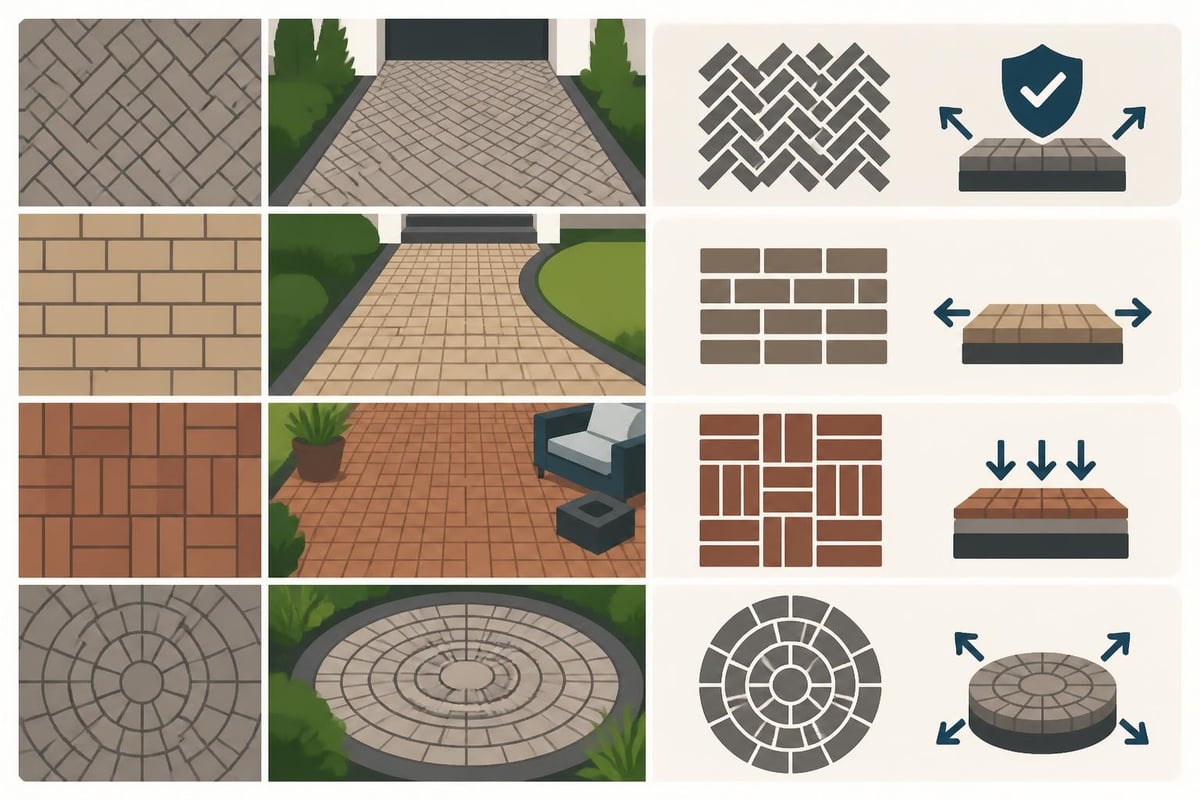
Pattern selection impacts both aesthetics and structural performance. Herringbone patterns provide superior interlock for vehicular applications, distributing loads across multiple units and resisting rutting. Running bond and basketweave patterns offer simpler installation with good performance for pedestrian areas.
Color coordination creates visual interest while complementing architectural features and existing hardscape elements. Monochromatic schemes deliver timeless elegance, while contrasting borders or accents add definition and personality. Florida's bright sunlight can intensify colors, making lighter shades practical for heat management around pools and patios.
Integrating Paver Work with Landscapes
Successful outdoor spaces blend paver work seamlessly with surrounding landscapes. Transition zones between paved and planted areas require attention to drainage, edge definition, and root barrier installation. Retaining walls may be necessary to manage grade changes while creating planting beds at appropriate elevations.
Lighting integration during paver work installation provides enhanced usability and safety after dark. Low-voltage LED systems installed beneath paver edges or integrated into steps create ambiance while highlighting pathways. Planning electrical runs during base construction avoids disruptive retrofitting later.
Coordination with other outdoor features ensures cohesive design execution. If you're planning comprehensive outdoor improvements, exploring options for professional hardscape construction alongside paver work creates unified spaces with optimized drainage and utility routing.
Selecting Qualified Paver Work Contractors
Credentials and licensing provide baseline assurance of contractor legitimacy and competence. Florida requires appropriate licensing for contractors performing work exceeding specific dollar thresholds. Verify active licenses, adequate insurance coverage, and workers' compensation compliance before engaging any contractor.
Portfolio evaluation reveals contractor experience with projects similar to yours in scale, style, and complexity. Request references from recent clients and visit completed projects when possible. Pay attention to detail quality, pattern precision, and overall craftsmanship rather than focusing solely on finished appearance.
Questions to Ask Potential Contractors
Informed homeowners ask detailed questions about installation methodology, material specifications, and project timelines. Key inquiries include:
- What base depth do you recommend for my specific soil conditions and project type?
- Which edge restraint system will you use and why?
- What compaction equipment and methods ensure adequate base density?
- How do you address drainage both on the surface and subsurface?
- What warranty coverage protects my investment and for how long?
- What is your process for handling unexpected site conditions?
Request detailed written proposals specifying materials by manufacturer and product line, installation methodology, payment schedule, and project timeline. Vague proposals or reluctance to document agreements should raise red flags about contractor professionalism.
Regional Considerations for Central Florida Paver Work
Soil variability across Central Florida demands location-specific paver work approaches. Sandy soils near coastal areas drain well but may require geotextile fabric to prevent base migration. Clay-heavy soils in inland regions need deeper aggregate bases and enhanced drainage systems to manage expansion and contraction.
Municipal regulations in Orlando, Winter Park, Sanford, and surrounding communities establish specific requirements for setbacks, drainage, and permitting. Some jurisdictions require engineered drainage plans for projects exceeding certain sizes or impervious surface percentages. Familiarizing yourself with local service areas and regulations helps set realistic expectations and budgets.
Hurricane preparedness influences paver work design decisions. Proper installation with adequate base preparation and edge restraint allows paver surfaces to withstand high winds and heavy rainfall without damage. Unlike loose gravel or mulch, pavers stay in place during storms while their permeable joint system manages water infiltration effectively.
The step-by-step installation approach recommended by landscaping professionals applies universally but requires regional adaptation for Florida's unique conditions. Working with contractors experienced in Central Florida's climate and soil types ensures appropriate specification and installation methods.
Paver Work Trends and Innovations
Permeable paver systems address stormwater management concerns while creating functional hardscapes. These specialized units feature wider joints filled with gravel or open grid designs that allow rainwater infiltration. Many municipalities offer incentives for permeable installations that reduce runoff into stormwater systems.
Larger format pavers simplify installation while creating contemporary aesthetics with fewer visible joints. Slabs measuring 24×24 inches or larger suit modern architectural styles and reduce installation time for large areas. However, these units require enhanced base preparation due to their increased weight and reduced interlock.
Technology Integration
Smart lighting systems embedded in or adjacent to paver work create programmable illumination controlled via smartphone apps. LED technology provides energy efficiency and longevity while offering color-changing options for special occasions or seasonal decoration.
Heated paver systems eliminate ice and snow accumulation in northern climates but also find application in Florida for therapeutic heat in seating areas or spa approaches. Electric or hydronic systems installed during paver work construction provide luxury amenities without retrofitting challenges.
3D design visualization helps homeowners preview proposed paver work before construction begins. Digital renderings show pattern layouts, color combinations, and spatial relationships with existing structures, reducing uncertainty and change orders during installation.
Environmental Aspects of Paver Work
Heat island effect mitigation represents a significant environmental benefit of lighter-colored paver work compared to dark asphalt surfaces. Reflective pavers reduce ambient temperatures in outdoor spaces while lowering cooling demands for adjacent structures. This benefit particularly matters in Florida's climate where heat management impacts comfort and energy consumption.
Recyclability distinguishes concrete and clay pavers from poured concrete or asphalt. At the end of their service life, pavers can be cleaned, repurposed in different applications, or crushed for use as aggregate base material. This circular lifecycle reduces landfill waste and resource consumption.
Local sourcing of paver materials minimizes transportation impacts while supporting regional economies. Many manufacturers operate facilities in Florida or the Southeast, reducing shipping distances and associated carbon emissions. Inquiring about material origins helps environmentally conscious homeowners make informed decisions.
The basic paver installation principles emphasize sustainable practices including proper drainage to prevent erosion, minimal site disturbance during construction, and selection of materials appropriate for long service life without frequent replacement.
Quality paver work transforms outdoor spaces into durable, beautiful extensions of your home that withstand Central Florida's demanding climate while enhancing property value and livability. Whether you're planning a new installation or need restoration of existing surfaces, partnering with experienced professionals ensures results that exceed expectations and stand the test of time. Pink Palm Pavers brings licensed, insured craftsmanship backed by a 2-year warranty to homeowners throughout Orlando, Winter Park, Clermont, Sanford, and surrounding communities, delivering the expertise and attention to detail your outdoor investment deserves.

