

Combining hardscape and softscape elements transforms ordinary outdoor spaces into functional, visually striking environments. The strategic pairing of pavers and turf creates defined zones, reduces maintenance, and elevates curb appeal while addressing practical concerns like drainage and durability. Whether you're redesigning a backyard, updating a front entrance, or creating a new pool deck area, understanding how these two materials work together helps homeowners make informed decisions that maximize both aesthetics and long-term value.
Why Pavers and Turf Work Together
The relationship between solid paving surfaces and planted or synthetic turf areas forms the foundation of professional landscape design. Pavers provide structure, definition, and year-round usability, while turf softens the overall appearance and introduces natural or green elements that balance hardscape features.
This combination offers significant practical advantages. Pavers handle high-traffic areas without degradation, maintaining their appearance even under Florida's intense sun and occasional heavy rainfall. Turf, whether natural or artificial, creates comfortable spaces for recreation, reduces heat absorption compared to solid surfaces, and provides visual relief from extensive hardscaping.
Functional Benefits
The functional advantages extend beyond aesthetics. Properly installed paver surfaces manage water runoff effectively when designed with appropriate slopes and permeable options. Installing pavers correctly requires attention to base preparation and drainage considerations that protect both the hardscape and adjacent turf areas.
- Traffic management: Pavers direct foot traffic away from delicate planted areas
- Erosion control: Defined edges prevent soil migration and maintain clean borders
- Maintenance efficiency: Separated zones simplify mowing, cleaning, and upkeep tasks
- Property value: Professional hardscaping increases resale appeal and marketability
- Flexibility: Modular design allows future modifications without complete reconstruction
Central Florida homeowners particularly benefit from this pairing because it addresses regional challenges like sandy soil, heavy seasonal rainfall, and heat management. The combination provides solutions that purely hardscaped or fully turfed yards cannot achieve alone.
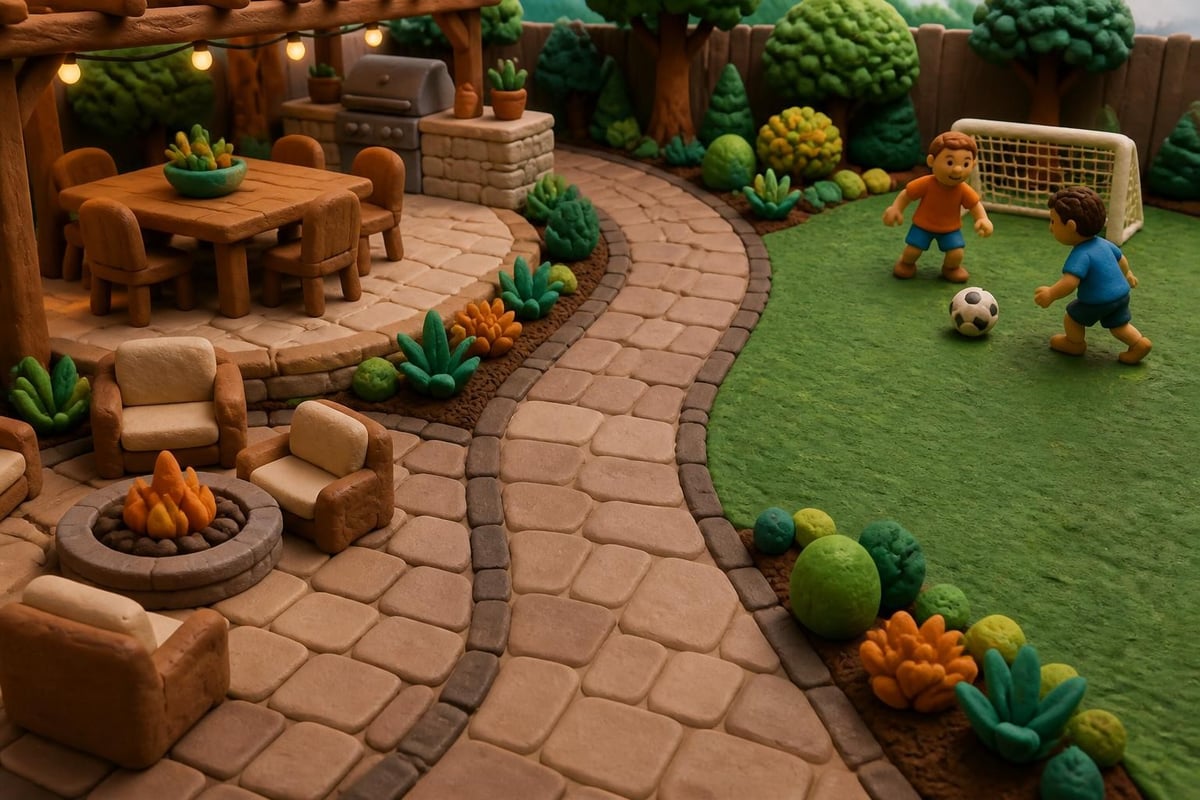
Design Patterns and Layout Options
Creating harmonious outdoor spaces requires thoughtful consideration of how pavers and turf interact visually and functionally. Pattern selection influences perceived space, movement flow, and overall aesthetic impact.
Grid and Geometric Layouts
Rectangular or square paver patterns with turf filling the spaces between create clean, contemporary looks. This approach works exceptionally well for driveways where grass or artificial turf strips between paver rows reduce heat reflection and provide visual interest. The grid format establishes order while maintaining some softness through the green elements.
For patios and entertaining areas, consider these popular geometric configurations:
| Layout Style | Best Use | Visual Effect | Maintenance Level |
|---|---|---|---|
| Checkerboard | Small patios | High contrast, playful | Moderate |
| Striped runs | Driveways, walkways | Directional, modern | Low |
| Bordered squares | Large yards | Defined, traditional | Moderate |
| Random pavers in turf | Informal paths | Natural, cottage-style | Higher |
Curved and Organic Designs
Flowing lines create more naturalistic landscapes where pavers and turf blend seamlessly. Curved paver pathways through turf areas guide movement while maintaining an informal, garden-like atmosphere. This approach suits larger properties where rigid geometry might feel too formal or institutional.
The installation process for curved designs requires additional planning. Professional paver installation involves precise cutting and fitting to achieve smooth curves without gaps or awkward transitions. Working with experienced contractors ensures these complex layouts deliver the intended visual impact.
Material Selection Considerations
Choosing appropriate materials determines longevity, appearance retention, and maintenance requirements for decades. Both paver type and turf selection require evaluation based on specific site conditions and intended use patterns.
Paver Options for Turf Integration
Concrete pavers offer the widest range of colors, shapes, and price points. Modern manufacturing produces options that mimic natural stone at lower costs while providing superior consistency and durability. Thickness selection matters when pavers will experience vehicular traffic versus foot traffic only.
Natural stone pavers including travertine, flagstone, and bluestone create premium appearances with unique variation in each piece. These materials work beautifully with both natural grass and artificial turf, though they typically require professional installation to ensure stability and proper spacing.
Permeable pavers deserve special consideration in Florida landscapes. These allow water to filter through joints or the paver body itself, reducing runoff and supporting healthy turf growth in adjacent areas. They're particularly valuable near trees where root systems benefit from improved water and oxygen penetration.
Turf Type Decisions
Natural grass varieties suited to Central Florida include St. Augustine, Bahia, and Zoysia, each with different shade tolerance, drought resistance, and maintenance needs. The turf selection should complement the paver installation rather than compete with it for resources.
Artificial turf has evolved significantly in recent years. Modern products feature realistic appearance, proper drainage backing, and UV resistance necessary for Florida's climate. When installing artificial turf alongside pavers, proper base preparation ensures both materials settle uniformly without creating trip hazards or uneven surfaces.
Installation Process and Best Practices
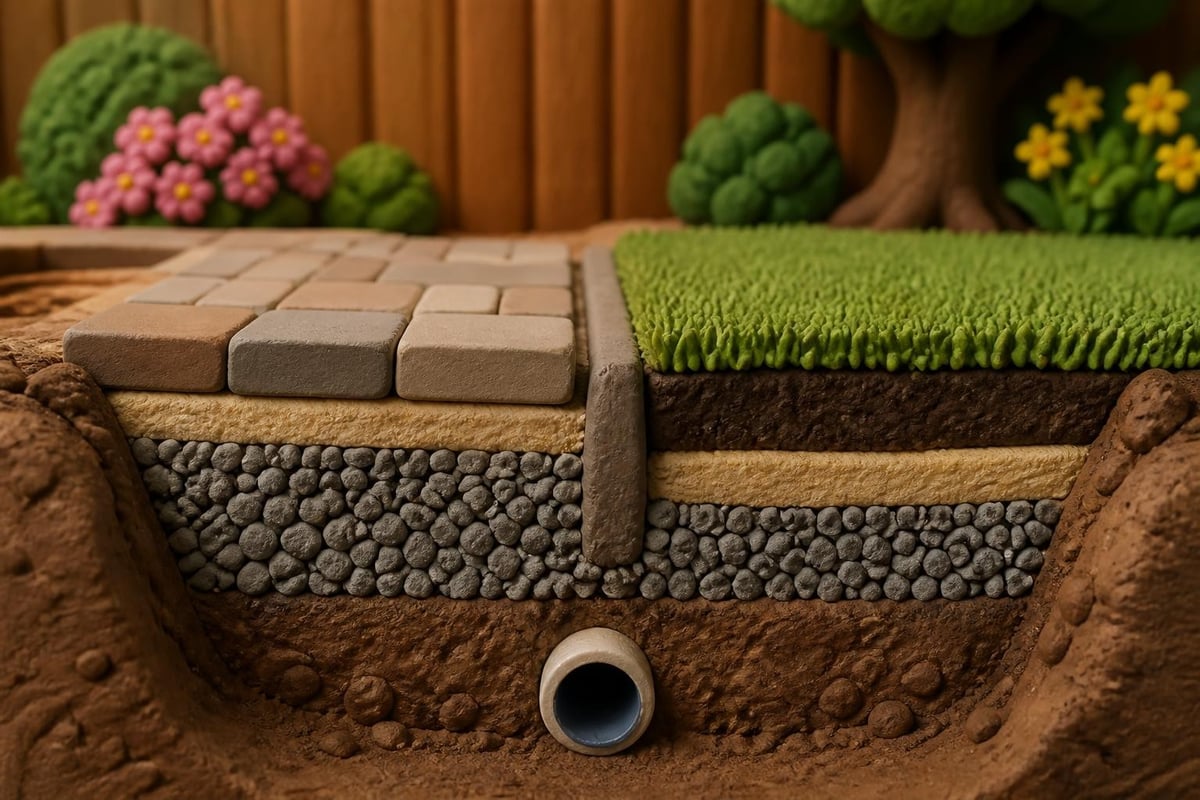
Successful integration of pavers and turf begins long before materials arrive on site. Proper planning, excavation, and base preparation determine whether the installation performs well for years or develops problems within months.
Site Preparation Steps
- Mark and measure all paver and turf zones accurately, accounting for edge restraints and transition areas
- Excavate to appropriate depths based on base requirements and final surface height goals
- Grade the entire area to establish proper drainage slopes away from structures
- Compact subgrade soil to prevent future settling that causes uneven surfaces
- Install landscape fabric in turf areas to suppress weeds while allowing water movement
- Create base layers using crushed stone or gravel compacted in lifts for stability
The installation sequence typically places pavers first, establishing permanent edges and elevations that turf areas then match. This approach prevents damage to completed turf zones during paver setting and allows for precise height alignment.
Edge Treatment and Transitions
Where pavers meet turf creates either a polished, professional appearance or a sloppy, problematic boundary. Quality edge restraints keep pavers from shifting while providing a defined terminus that simplifies both paver and turf maintenance.
Plastic or aluminum paver edging installed along turf boundaries creates invisible support that maintains alignment. For visible edges, consider soldier course pavers set perpendicular to the field, creating an upright border that clearly separates materials.
Transition zones require specific attention to height matching. Turf should sit slightly below paver surfaces (approximately one-quarter to one-half inch) to accommodate mowing without blade contact with hard materials. Detailed installation guidance helps ensure these critical details receive proper execution.
Maintenance Requirements and Long-Term Care
Both pavers and turf require ongoing attention to maintain their appearance and functionality. Understanding maintenance needs before installation helps homeowners budget time and resources appropriately.
Paver Maintenance Essentials
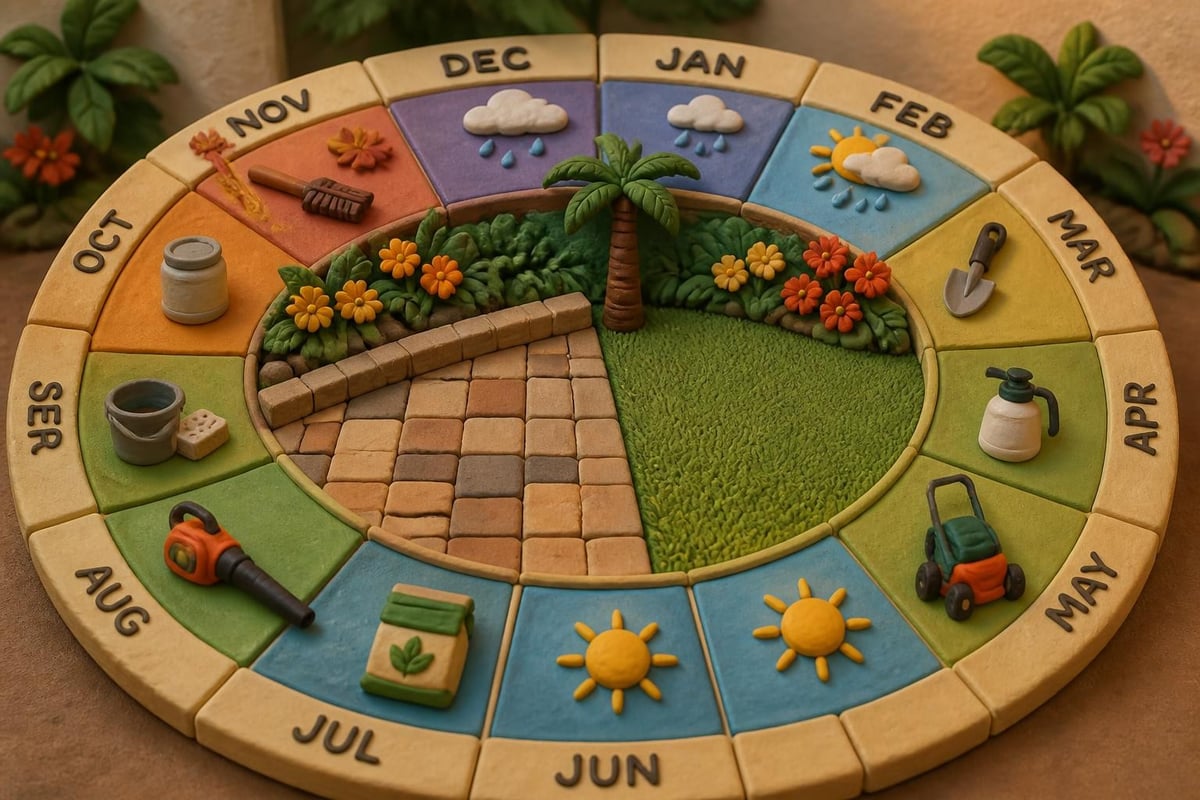
Regular cleaning prevents organic staining and weed establishment in joints. Sweeping removes debris, while periodic washing with appropriate cleaners addresses more stubborn discoloration. Professional paver maintenance includes joint sand replenishment, sealing for color enhancement and protection, and addressing individual paver issues before they expand.
For homeowners across Central Florida service areas, joint sand management proves particularly important. Rain and irrigation can wash away sand, allowing pavers to shift and weeds to establish. Polymeric sand offers superior performance by hardening when wet, though it requires proper installation technique.
Annual sealing protects pavers from staining, enhances color vibrancy, and simplifies cleaning. The sealing schedule depends on traffic levels, sun exposure, and whether the pavers are regularly exposed to organic materials or chemicals.
Turf Care Strategies
Natural grass requires mowing, fertilization, irrigation, and pest management. When growing adjacent to pavers, edge maintenance becomes critical to prevent grass from creeping onto hardscape surfaces or creating uneven transitions.
- Trim edges monthly using a string trimmer or edging tool
- Adjust sprinkler heads to avoid excessive water on paver surfaces
- Apply pre-emergent herbicides carefully to avoid staining pavers
- Aerate turf areas annually without damaging nearby paver edges
- Overseed bare spots promptly to maintain uniform appearance
Artificial turf maintenance focuses on keeping infill materials evenly distributed and removing debris that accumulates on the surface. Brushing against the grain periodically keeps synthetic fibers upright and natural-looking. Pet owners should rinse areas regularly to prevent odor development.
Cost Considerations and Budget Planning
Understanding the financial investment required for pavers and turf installations helps homeowners plan appropriately and avoid mid-project surprises. Multiple factors influence total costs beyond simple material pricing.
Material Cost Variables
| Component | Price Range (per sq ft) | Lifespan Expectation | Notes |
|---|---|---|---|
| Concrete pavers | $8-$18 | 25-50 years | Wide style variety |
| Natural stone pavers | $15-$40 | 50+ years | Premium appearance |
| Permeable pavers | $12-$25 | 25-40 years | Drainage benefits |
| Natural grass | $0.50-$2 | Ongoing replacement | Requires maintenance |
| Artificial turf | $8-$20 | 15-20 years | Low maintenance |
Installation labor typically equals or exceeds material costs for professional installations. Complex patterns, site access challenges, and required base work all impact labor expenses. Obtaining detailed estimates that separate material and labor costs allows for better comparison between contractors.
Return on Investment
Quality paver and turf installations increase property values while reducing long-term maintenance expenses. Well-designed outdoor living spaces consistently rank among the top home improvements for resale value, particularly in regions with year-round outdoor usage like Central Florida.
The combination approach offers superior ROI compared to all-paver or all-turf landscapes because it balances upfront investment with ongoing costs while maximizing usability and visual appeal. Artificial turf eliminates irrigation and mowing expenses, while quality pavers require minimal maintenance between cleaning and sealing intervals.
Climate-Specific Considerations for Florida
Central Florida's unique environmental conditions require specific attention when planning pavers and turf installations. Heat, humidity, rainfall patterns, and sandy soil all influence material selection and installation methods.
Heat Management
Dark-colored pavers absorb and radiate significant heat during summer months, making adjacent areas uncomfortable for bare feet. Lighter colors reflect more heat, while certain materials like travertine naturally stay cooler. Strategic turf placement around primary paver areas creates cooler transition zones and reduces overall temperature in outdoor spaces.
Installing artificial turf with appropriate infill materials helps manage heat retention. Modern synthetic grass products include heat-resistant fibers and reflective technology that significantly reduces surface temperatures compared to older artificial turf generations.
Drainage Solutions
Florida's heavy seasonal rainfall demands excellent drainage design. Pavers installed with proper slope direct water away from structures and prevent pooling that damages both hardscape and turf areas. French drains, channel drains, or permeable paver sections handle water volume that overwhelms standard installations.
Turf areas benefit from well-draining base materials that prevent saturation and root rot. Sandy Florida soil generally drains well, but clay pockets or improperly compacted fill require amendment or additional drainage infrastructure.
Design Ideas for Different Applications
The versatility of pavers and turf allows creative solutions for various outdoor spaces. Each application benefits from specific design approaches that maximize both aesthetics and functionality.
Front Yard Curb Appeal
Front entries combining paver walkways with flanking turf areas create welcoming approaches while managing foot traffic effectively. Curved paver paths through natural grass or artificial turf add visual interest without overwhelming smaller front yard spaces.
Consider accent features like paver circles, diamond inserts, or contrasting border courses that draw attention without creating busy, cluttered appearances. The goal remains balancing structured hardscape with softening green elements that complement architectural styles.
Backyard Entertainment Zones
Large patio areas for dining and seating integrate beautifully with surrounding turf zones designated for recreation or visual relief. Creating distinct outdoor spaces using paver foundations with turf surrounds defines areas without requiring walls or fencing.
Pool deck applications particularly benefit from this combination. Pavers handle wet traffic, provide slip resistance, and require minimal maintenance, while adjacent turf areas offer comfortable spaces for lounging, playing, or accessing the pool without crossing exclusively hard surfaces.
Pathways and Functional Routes
Garden paths using pavers and turf create charming, cottage-style aesthetics. Stepping stone patterns through grass or groundcover establish routes while maintaining predominantly green appearances. This approach works well for side yards, utility access areas, or informal garden zones where full paver coverage seems excessive.
The spacing between stepping stones should accommodate comfortable stride length (approximately 18-24 inches center-to-center for most adults). Irregular natural stone creates more organic feels, while uniform concrete pavers suit contemporary or minimalist designs.
Common Mistakes to Avoid
Even experienced DIY enthusiasts encounter challenges when combining pavers and turf. Understanding frequent pitfalls helps prevent costly corrections and ensures professional results.
Base Preparation Shortcuts
Inadequate excavation depth, insufficient compaction, or skipping proper base layers creates unstable foundations that settle unevenly. This causes trip hazards where pavers meet turf and allows weed growth that compromises both materials. Following established installation procedures prevents these foundational issues.
Poor Drainage Planning
Failing to establish proper slopes or neglecting to consider water movement patterns results in pooling, erosion, and premature material failure. Water should always move away from structures and transition smoothly between paver and turf areas without creating channels or wash points.
Mismatched Material Grades
Using pedestrian-grade pavers in driveway applications or selecting turf types inappropriate for local climate conditions leads to premature wear and replacement needs. Material specifications exist for specific reasons, and substituting lower-grade options to save money typically costs more through early failure.
Ignoring Edge Restraints
Attempting to install pavers without proper edge restraints allows spreading, shifting, and border deterioration. This proves especially problematic where pavers directly contact turf, as mowing equipment and root growth exacerbate movement.
Professional Installation Versus DIY
Homeowners considering pavers and turf projects face decisions about hiring professionals versus tackling installations independently. Each approach offers distinct advantages and challenges worth careful evaluation.
When to Hire Professionals
Complex layouts requiring precise cutting, sites with drainage challenges, or projects involving significant excavation benefit from professional expertise. Licensed contractors bring experience reading soil conditions, managing proper slopes, and executing details that determine long-term performance.
Large-scale projects exceeding several hundred square feet typically justify professional installation through time savings alone. Equipment rental costs, material waste from mistakes, and the physical demands of proper base preparation often offset labor expenses for projects beyond modest size.
DIY Success Factors
Smaller projects like garden paths, modest patio expansions, or isolated accent areas suit capable DIY homeowners willing to invest time learning proper techniques. Success requires researching installation methods thoroughly, renting or purchasing necessary equipment, and honestly assessing physical capabilities for demanding excavation and material handling.
Proper care techniques apply regardless of who performs installation. Understanding maintenance requirements helps homeowners evaluate whether their available time and interest match long-term care needs before committing to specific material combinations.
Future-Proofing Your Investment
Designing pavers and turf installations with future needs in mind extends functionality and protects investment value. Thoughtful initial planning accommodates changing preferences and uses without requiring complete reconstruction.
Modular Design Principles
Creating installations using standard paver sizes and patterns simplifies future modifications. Removing and reinstalling pavers to accommodate utility upgrades, new features, or layout changes becomes practical rather than prohibitive when original installations follow modular principles.
Turf areas similarly benefit from flexible design. Artificial turf can be removed and repositioned if base preparation remains intact. Natural grass areas convert readily to different turf types, groundcovers, or even additional paver zones when life circumstances change.
Maintenance Accessibility
Planning for long-term maintenance access prevents future headaches. Irrigation system components, drainage infrastructure, and lighting conduits should remain accessible without destroying finished surfaces. Creating removable paver sections over critical access points provides maintenance access while maintaining appearance during normal use.
Consider how aging might affect outdoor space usage. Wide, level paver paths with gradual transitions to turf areas accommodate mobility aids and ensure spaces remain usable across decades regardless of physical capability changes.
The strategic combination of pavers and turf creates outdoor environments that balance beauty, function, and practicality while addressing Central Florida's unique climate demands. Whether you're planning a complete landscape transformation or targeted improvements to existing spaces, understanding how these materials work together ensures investments deliver lasting value and enjoyment. Pink Palm Pavers brings licensed expertise, quality materials, and proven installation methods to homeowners throughout Orlando, Winter Park, Clermont, Sanford, and surrounding communities, transforming outdoor visions into durable realities backed by comprehensive warranties and family-owned dedication to craftsmanship.

