

Garden spaces serve as natural extensions of your home, offering opportunities for relaxation, entertainment, and connection with nature. When thoughtfully designed, these outdoor areas become valuable living spaces that enhance both property value and quality of life. Incorporating pavers in a garden establishes structure, defines spaces, and creates durable surfaces that withstand Central Florida's unique climate challenges while maintaining aesthetic appeal year-round.
Design Possibilities with Garden Pavers
Hardscaping materials offer remarkable versatility for garden applications. Pavers in a garden can transform simple landscaping into sophisticated outdoor environments that balance form and function.
Pathway Creation and Flow
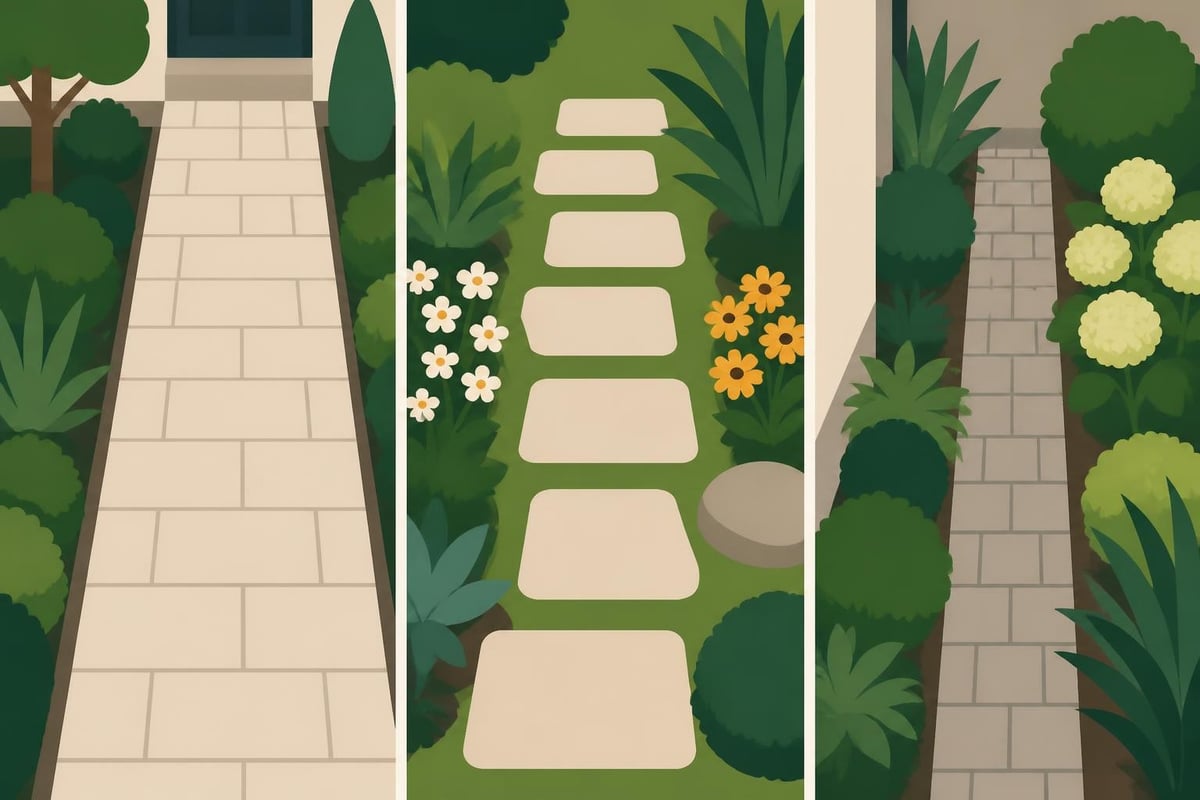
Garden pathways guide movement through outdoor spaces while protecting grass and plant beds from foot traffic damage. Paver pathways create clearly defined routes that encourage exploration while preventing soil compaction in surrounding areas.
Consider these pathway applications:
- Main walkways connecting different garden zones
- Stepping stone paths through planting beds
- Service paths for maintenance access
- Curved routes that create visual interest
Width matters significantly for pathway design. Primary routes should measure at least 36 inches wide to accommodate comfortable two-person passage, while secondary paths can range from 18 to 24 inches. The paver installation process ensures proper base preparation for long-term stability.
Patio and Seating Areas
Garden patios extend living space outdoors, providing dedicated areas for dining, entertaining, or quiet reflection. Paver patios offer superior drainage compared to solid concrete, reducing water pooling issues common in Florida's rainy season.
| Patio Size | Ideal Use | Typical Capacity |
|---|---|---|
| 100-150 sq ft | Small bistro set | 2-4 people |
| 150-250 sq ft | Full dining table | 6-8 people |
| 250-400 sq ft | Multiple zones | 10-12 people |
| 400+ sq ft | Entertainment area | 15+ people |
The versatility of pavers in a garden setting allows for creative pattern combinations. Herringbone patterns provide exceptional stability for high-traffic areas, while circular or fan patterns create stunning focal points.
Border and Edging Solutions
Paver edging provides clean separation between different landscape elements. These defined borders prevent mulch migration, contain gravel pathways, and create visual contrast that highlights planting beds.
Edging applications include:
- Raised bed perimeters
- Tree ring surrounds
- Flower bed boundaries
- Transition zones between turf and hardscape
Material Selection for Garden Applications
Choosing appropriate paver materials ensures longevity and aesthetic cohesion with your overall landscape design. Different materials offer distinct advantages for specific garden applications.
Common Paver Types
Clay brick pavers deliver timeless appeal with rich, warm tones that complement traditional garden designs. These materials resist fading and develop attractive patina over time. Concrete pavers offer broader color selections and can mimic natural stone appearances at lower costs.
Natural stone pavers, including travertine and flagstone, provide unique textures and organic aesthetics. However, these materials require careful sealing in Florida's humid climate to prevent moisture absorption and potential deterioration.
Permeable pavers support sustainable landscaping practices by allowing water infiltration. The U.S. Environmental Protection Agency explains the benefits of permeable pavement for managing stormwater, making these options increasingly popular for environmentally conscious homeowners.
Color and Texture Coordination
Successful garden paver selection requires coordination with existing landscape elements. Consider your home's exterior colors, existing hardscaping, and predominant plant colors when choosing paver tones.
Neutral earth tones including tans, grays, and browns provide versatile backgrounds that complement diverse planting schemes. Warmer reds and terracottas create Mediterranean or cottage garden atmospheres, while cooler grays suit contemporary designs.
Textured surfaces offer improved slip resistance-particularly important around pool areas or frequently wet garden zones. Smooth finishes work well for dining patios where furniture stability matters most.
Installation Considerations for Garden Settings
Proper installation determines whether pavers in a garden perform well for decades or develop problems within years. Professional installation ensures correct base preparation, drainage management, and finishing details.
Base Preparation Requirements
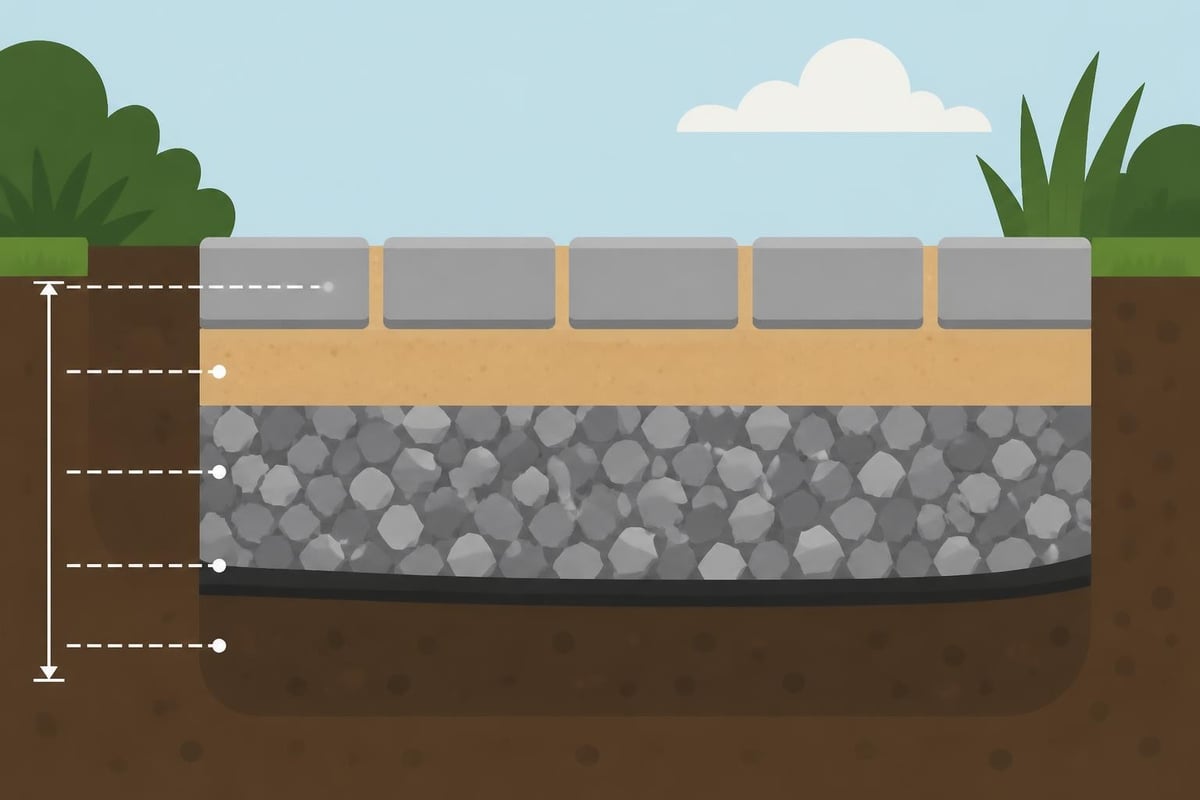
The foundation beneath garden pavers must provide stability while allowing proper drainage. Base layer composition typically includes compacted crushed limestone or road base material topped with leveling sand.
Installation steps include:
- Excavating to appropriate depth (7-9 inches for pedestrian areas)
- Installing landscape fabric to prevent base material mixing with soil
- Adding and compacting base material in 2-inch lifts
- Creating proper slope for water runoff (minimum 2% grade)
- Spreading and screeding leveling sand
- Setting pavers with consistent joint spacing
- Installing edge restraints to prevent lateral movement
- Filling joints with polymeric sand
Central Florida's sandy soil requires special attention during base preparation. Adequate compaction prevents settling that leads to uneven surfaces over time.
Drainage Planning
Effective drainage prevents water accumulation that damages both pavers and surrounding plants. Garden installations must account for existing drainage patterns and redirect water appropriately.
The National Park Service discusses the use of permeable pavement in sustainable landscaping, highlighting how proper installation manages water naturally. Integrating French drains or catch basins near paver areas provides additional protection during heavy rainfall events.
Slope direction matters significantly. Route water away from building foundations and toward drainage swales or rain gardens that handle runoff naturally.
Maintenance and Longevity
Pavers in a garden require minimal but consistent maintenance to preserve appearance and structural integrity. Regular care prevents minor issues from developing into costly repairs.
Cleaning Protocols
Routine cleaning removes organic debris, prevents staining, and discourages weed growth. Sweep paver surfaces weekly during peak leaf-drop seasons and monthly during other periods.
Annual deep cleaning removes embedded dirt and biological growth:
- Clear furniture and planters from paver surfaces
- Sweep away loose debris thoroughly
- Apply appropriate cleaning solutions for specific stains
- Scrub with stiff brushes or use pressure washing (1500-2000 PSI maximum)
- Rinse completely and allow surfaces to dry
Avoid harsh chemical cleaners that damage paver surfaces or harm surrounding plants. Biodegradable, plant-safe cleaning solutions protect your landscape investment.
Joint Sand Replacement
Polymeric sand in paver joints prevents weed emergence and deters insect colonization. This specialized material hardens when activated with water, creating stable joints that resist erosion.
Replace joint sand every 2-3 years or when erosion becomes visible. The process requires removing old sand, cleaning joints thoroughly, sweeping fresh polymeric sand into gaps, and activating according to manufacturer specifications.
Professional paver restoration maintenance addresses joint sand replacement along with comprehensive cleaning and sealing services that extend the life of your garden hardscaping.
Sealing Benefits
Paver sealing provides multiple protective benefits including enhanced color retention, stain resistance, and easier cleaning. Sealed surfaces shed water more effectively and resist organic growth.
| Sealer Type | Finish | Durability | Best Application |
|---|---|---|---|
| Water-based | Matte/Natural | 2-3 years | High-traffic gardens |
| Solvent-based | Enhanced/Glossy | 3-5 years | Low-traffic decorative areas |
| Penetrating | Natural | 3-4 years | Natural stone pavers |
Apply sealer every 2-4 years depending on product type and weather exposure. Central Florida's intense sun and frequent rain accelerate sealer breakdown, requiring more frequent reapplication than cooler climates.
Integrating Pavers with Planting Design
Successful garden design harmonizes hardscaping and softscaping elements. Pavers in a garden should enhance rather than compete with plants and natural features.
Plant Selection Around Paved Areas
Choose plants based on proximity to paver surfaces and environmental conditions. Heat-tolerant species thrive near sun-exposed pavers that radiate warmth, while shade-loving varieties suit paver areas under tree canopies.
Root systems require consideration. Avoid planting large trees directly adjacent to paver installations, as expanding roots eventually disrupt level surfaces. Maintain minimum 5-foot clearances between major trees and paved areas.
Ground covers that tolerate occasional foot traffic soften paver edges beautifully. Creeping thyme, blue star creeper, and mondo grass create living borders that blend hardscape transitions naturally.
Creating Garden Rooms
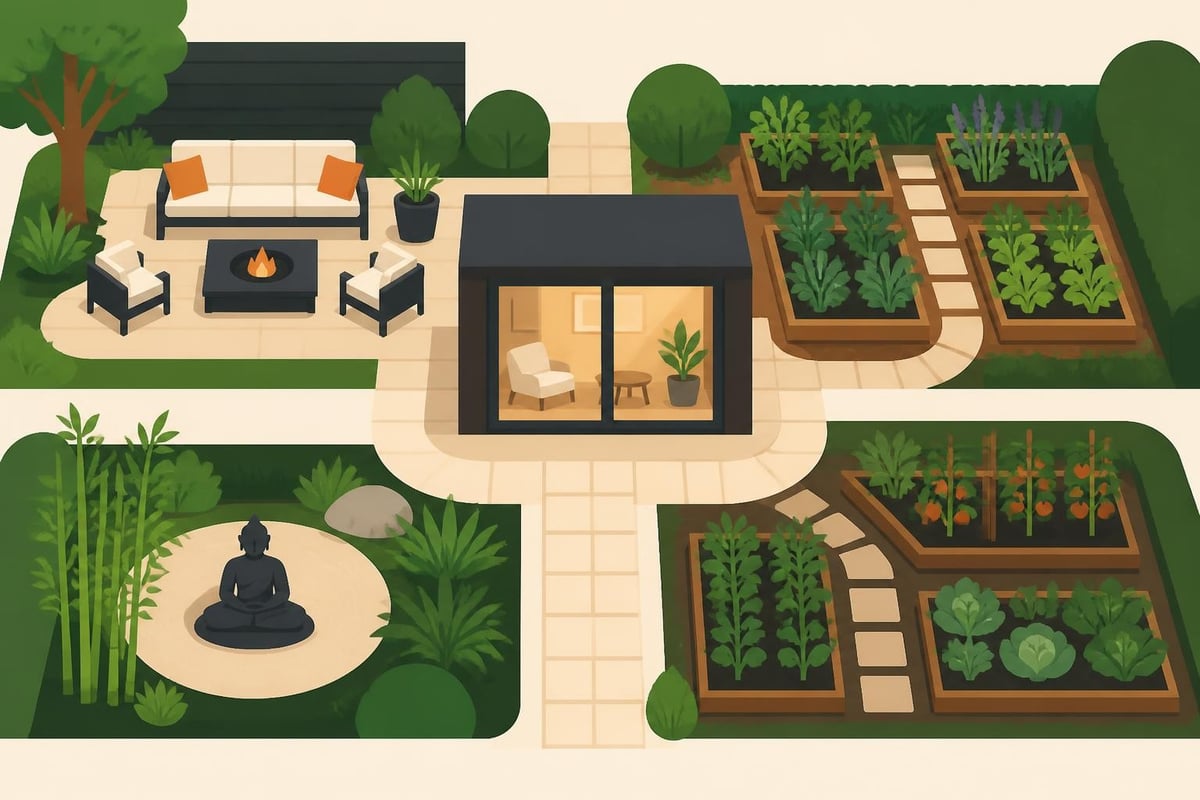
Garden rooms divide outdoor spaces into distinct functional zones connected by paver pathways. This design approach creates intimate areas within larger landscapes, each serving specific purposes.
Consider these room concepts:
- Herb garden with central paver patio and radiating planting beds
- Meditation space with circular paver pad and surrounding ornamental grasses
- Cutting garden with wide paver aisles for maintenance access
- Vegetable garden with permanent paver pathways between raised beds
Working with experienced landscape design professionals helps translate conceptual garden room ideas into functional outdoor spaces that balance aesthetics and practicality.
Climate Considerations for Central Florida
Regional climate factors significantly impact paver performance and design choices. Understanding these influences helps homeowners make informed decisions about materials and maintenance.
Heat and Sun Exposure
Intense sunlight causes certain paver materials to become uncomfortably hot during summer months. Light-colored pavers reflect more heat than dark options, remaining cooler underfoot. This consideration matters particularly for barefoot areas like pool decks or children's play spaces.
Strategic shade planning moderates surface temperatures. Pergolas, shade sails, and mature tree canopies reduce direct sun exposure while maintaining paver functionality. Combining hardscaping with shade structures creates comfortable outdoor spaces usable year-round.
Humidity and Moisture Management
Central Florida's high humidity promotes organic growth on paver surfaces. Algae, moss, and mildew develop quickly on shaded pavers with poor air circulation. Regular cleaning and strategic planting prevent these issues.
Adequate spacing between paver surfaces and plant material improves air movement. Trim overhanging branches to increase sunlight penetration and reduce moisture retention on paver surfaces.
Heavy Rainfall Response
Summer thunderstorms deliver intense rainfall that tests drainage systems. Properly installed pavers in a garden manage water effectively through base layer permeability and strategic slope planning.
Consider these drainage enhancements:
- Rain gardens positioned to receive paver runoff
- Dry creek beds that channel overflow during heavy events
- Permeable joint filling materials that allow infiltration
- Swales directing water toward appropriate discharge points
Design Styles and Pattern Options
Paver patterns dramatically influence garden aesthetics and perceived space. Pattern selection should reflect overall landscape style while supporting functional requirements.
Traditional Pattern Choices
Running bond patterns create directional flow that guides eye movement through garden spaces. This classic arrangement works well for pathways and rectangular patios. Herringbone patterns offer superior interlock strength for driveways and high-traffic areas while adding visual sophistication.
Basketweave patterns deliver cottage garden charm with alternating paver orientations creating woven appearances. These designs suit traditional landscape styles and provide moderate interlock without herringbone complexity.
Contemporary Design Approaches
Modern garden designs often feature large-format pavers with minimal joint lines creating sleek, minimalist aesthetics. Random patterns using multiple sizes generate organic, naturalistic appearances suited to contemporary informal landscapes.
Mixed materials including pavers combined with decorative gravel, grass strips, or ground covers create dynamic surfaces that balance hard and soft elements. These combinations reduce heat island effects while maintaining functional paved areas.
Cost Factors and Investment Value
Understanding cost components helps homeowners budget appropriately for garden paver projects. Multiple factors influence total investment beyond basic material prices.
Material and Installation Costs
Material expenses vary significantly based on paver type, size, and quality. Basic concrete pavers start around $3-5 per square foot, while natural stone options range from $15-30 per square foot or higher.
Professional installation typically adds $8-15 per square foot depending on project complexity, site accessibility, and base preparation requirements. Challenging sites with poor drainage or difficult access increase labor costs substantially.
| Project Component | Cost Range | Notes |
|---|---|---|
| Materials | $3-30/sq ft | Varies by paver type |
| Base preparation | $2-4/sq ft | Depends on existing conditions |
| Installation labor | $6-11/sq ft | Complexity affects pricing |
| Edge restraints | $3-6/linear ft | Required for stability |
| Sealing (optional) | $1-3/sq ft | Extends surface life |
Return on Investment
Well-designed paver installations deliver strong returns through enhanced property value and improved outdoor functionality. Landscape improvements including quality hardscaping typically return 50-80% of costs at resale while providing immediate enjoyment.
Garden pavers require minimal replacement costs compared to wood decking or stamped concrete that cracks. Individual damaged pavers can be replaced without affecting surrounding areas, reducing long-term maintenance expenses.
Safety and Accessibility Features
Garden paver installations should accommodate all potential users safely. Thoughtful design prevents accidents while maintaining aesthetic appeal.
Slip Resistance
Textured paver surfaces provide better traction than smooth finishes, particularly important around water features or shaded areas prone to moisture accumulation. Consider heavily textured options for sloped pathways where slip risks increase.
Adequate lighting along paver pathways prevents trips and falls after dark. Low-voltage LED path lights, solar stake lights, or integrated paver lights improve navigation safety without harsh glare.
Universal Design Principles
Wider pathways accommodate wheelchairs, walkers, and garden carts comfortably. Smooth transitions between different paver areas eliminate tripping hazards and facilitate movement for users with mobility limitations.
Gentle slopes replace steps wherever possible. Maximum recommended slope for accessible pathways measures 1:12 (1 inch rise per 12 inches of horizontal distance). Steeper grades require handrails or alternative routes.
Garden pavers create enduring beauty and functionality that transforms outdoor spaces into valuable living areas. Whether designing new pathways, creating entertainment patios, or refreshing existing hardscaping, quality materials and professional installation ensure decades of reliable performance. The team at Pink Palm Pavers brings expertise in paver installation, restoration, and comprehensive landscape design to homeowners throughout Central Florida, delivering licensed, insured craftsmanship backed by a 2-year warranty that protects your outdoor investment.

