

Finding the right retaining wall company near me requires more than a simple internet search. Homeowners throughout Central Florida face unique challenges with soil conditions, drainage concerns, and weather patterns that demand specialized expertise. Whether you're dealing with erosion on a sloped yard, creating terraced garden beds, or adding functional outdoor living space, selecting a qualified contractor makes the difference between a structure that lasts decades and one that fails within years. This comprehensive guide walks you through the essential factors to consider when searching for local retaining wall professionals.
Understanding What Makes a Qualified Retaining Wall Company
Not all hardscaping contractors possess the specialized knowledge required for proper retaining wall construction. A qualified retaining wall company near me should demonstrate specific competencies that set them apart from general landscapers or amateur installers.
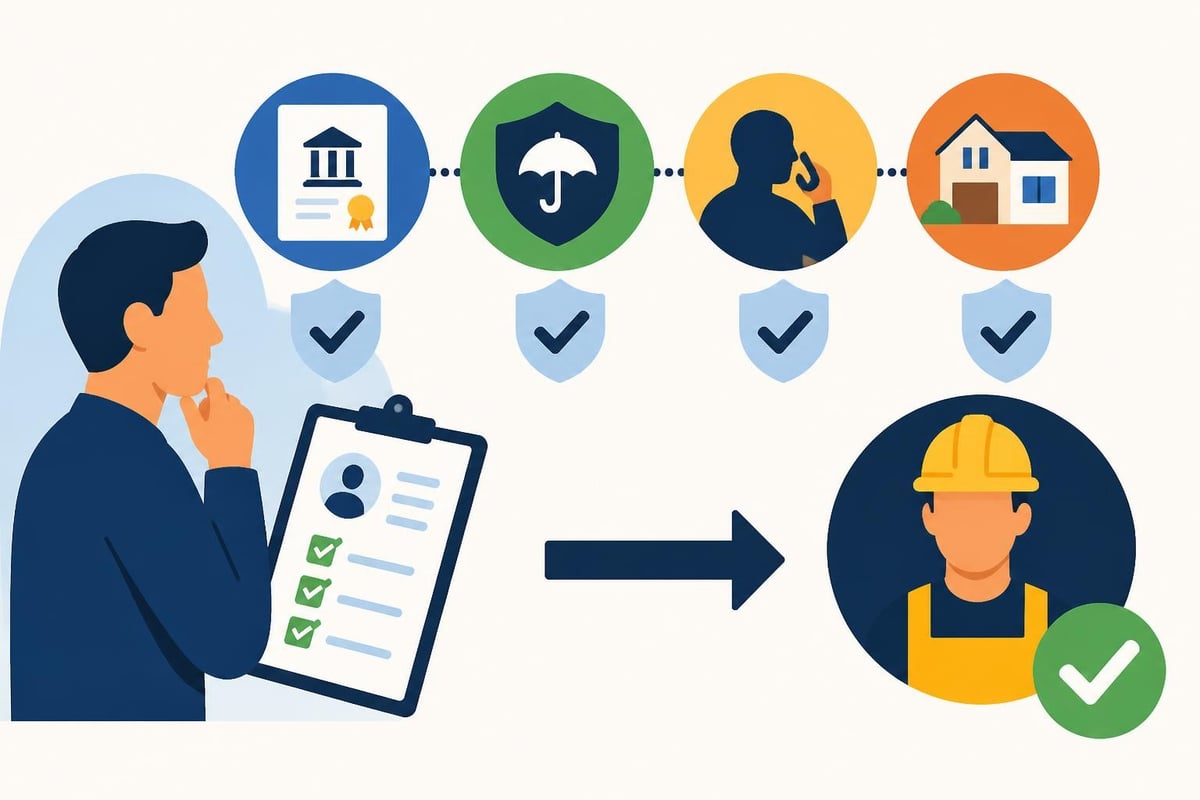
Licensed and insured contractors protect your investment and property. Florida law requires contractors working on structures exceeding certain heights or values to hold proper licensing. Insurance coverage shields homeowners from liability if workers sustain injuries on your property or if construction defects emerge later.
Critical Qualifications to Verify
When evaluating potential contractors, focus on these essential credentials:
- Active state or local contractor's license with specialization in hardscaping or masonry
- General liability insurance protecting against property damage during construction
- Workers' compensation coverage for all crew members
- Warranty offerings demonstrating confidence in workmanship quality
- Bonding providing financial protection if the contractor fails to complete work
Engineering knowledge separates amateur builders from professionals. Retaining walls function as structural elements supporting tons of soil pressure. According to This Old House’s comprehensive retaining wall guide, proper construction requires understanding load calculations, drainage systems, and foundation requirements. Companies lacking this expertise often produce walls that lean, crack, or collapse prematurely.
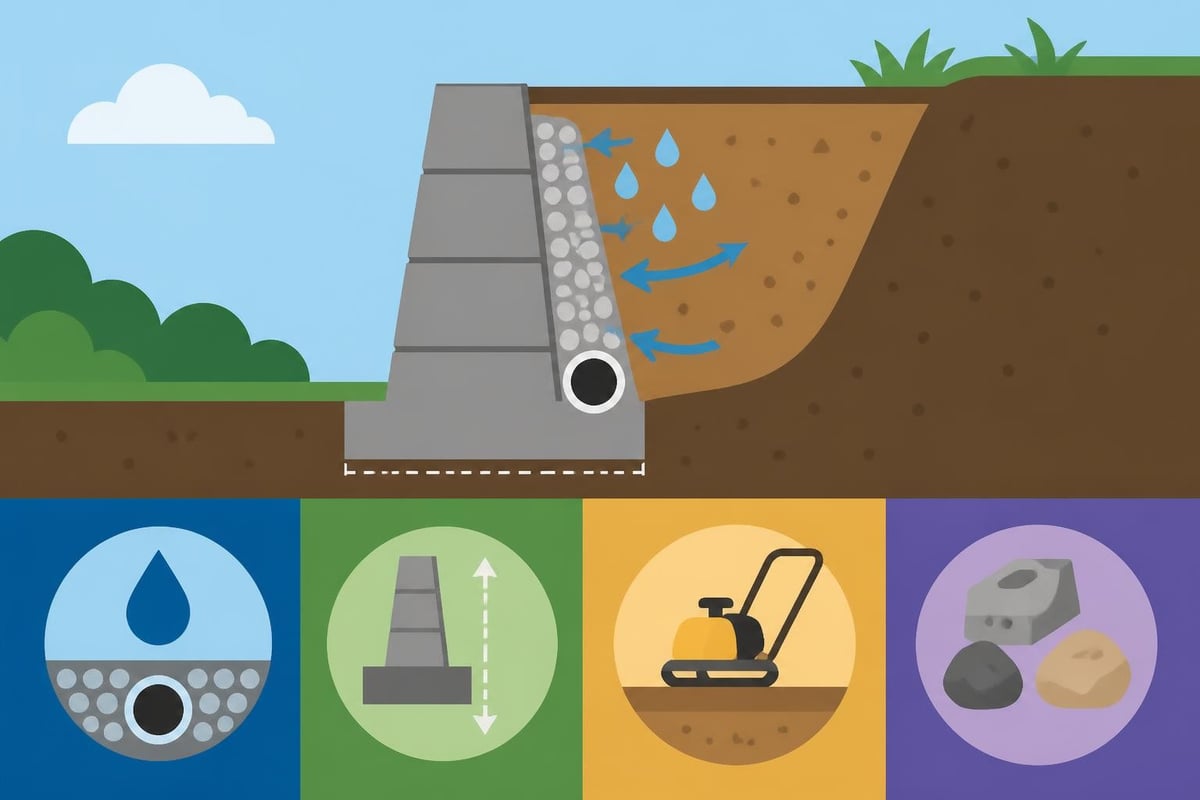
Local experience matters significantly in Central Florida. Our sandy soils, high water tables, and intense rainfall patterns create unique construction challenges. A retaining wall company near me with extensive regional experience understands how to address these conditions through proper base preparation, drainage installation, and material selection.
Evaluating Materials and Construction Methods
The materials and techniques your chosen contractor recommends reveal much about their expertise and commitment to quality. Different retaining wall systems suit different applications, and reputable companies match solutions to specific site conditions rather than pushing a one-size-fits-all approach.
Common Retaining Wall Material Options
| Material Type | Best Applications | Typical Lifespan | Maintenance Level |
|---|---|---|---|
| Concrete Block | Residential walls up to 4 feet, versatile designs | 50-100 years | Low to moderate |
| Natural Stone | Premium aesthetics, custom designs | 75+ years | Low |
| Poured Concrete | Heavy-duty applications, commercial projects | 50-100 years | Very low |
| Timber | Temporary solutions, budget-conscious projects | 10-20 years | Moderate to high |
| Gabion Baskets | Drainage-critical areas, modern industrial look | 50+ years | Low |
Interlocking concrete blocks dominate residential retaining wall construction for good reason. These engineered units provide excellent strength, design flexibility, and cost-effectiveness. Quality manufacturers design their systems with features like automatic setback, hollow cores for reinforcement, and interlocking pins that increase structural integrity.
When searching for a retaining wall company near me, ask about their preferred systems and why they recommend specific products for your situation. Companies that exclusively use budget materials or cannot explain their material choices may prioritize profit margins over performance.
Drainage Systems Are Non-Negotiable
Proper drainage represents the single most critical factor in retaining wall longevity. Water buildup behind walls creates hydrostatic pressure that can crack, shift, or topple even well-constructed structures. RetWall’s maintenance guide emphasizes that drainage failures cause the majority of retaining wall problems.
Professional installations include these drainage elements:
- Gravel backfill allowing water to flow downward rather than accumulating
- Perforated drain pipe at the wall base collecting and redirecting water
- Filter fabric preventing soil migration into drainage materials
- Weep holes or exit points releasing collected water away from the structure
Companies that skip or minimize drainage systems to reduce costs create future problems. This shortcut inevitably leads to premature failure, making proper drainage investment essential from the start.
The Importance of Local Reputation and References
A retaining wall company near me with strong local standing offers advantages beyond technical competency. Community reputation reflects years of consistent performance, customer satisfaction, and professional integrity that online searches cannot fully capture.
Customer reviews provide valuable insights, but savvy homeowners look beyond star ratings. Read detailed reviews mentioning specific project aspects like communication, problem-solving, cleanup practices, and post-installation support. Companies with numerous reviews spanning several years demonstrate sustained excellence rather than temporary good performance.
Questions to Ask Past Clients
Request references from projects similar to yours in scope, materials, and site conditions. When contacting references, ask:
- How did the actual timeline compare to the original estimate?
- Did the crew maintain a clean, safe work site?
- How did the company handle unexpected challenges or changes?
- Would you hire them again for future projects?
- Has the wall performed well since installation?
Portfolio reviews demonstrate versatility and craftsmanship quality. Established contractors maintain extensive photo galleries showcasing completed projects. Pink Palm Pavers serves homeowners across Central Florida’s diverse communities, building experience with varied soil conditions and architectural styles throughout the region.
Projects in Winter Park, Clermont, and Sanford each present unique challenges. Companies demonstrating successful work across multiple locations prove their adaptability and technical range.
Understanding Pricing and Getting Accurate Estimates
Cost represents a primary concern when selecting a retaining wall company near me, but focusing solely on the lowest bid often proves expensive long-term. Understanding what drives pricing helps homeowners evaluate estimates intelligently and recognize value beyond the bottom line.
Factors Affecting Retaining Wall Costs
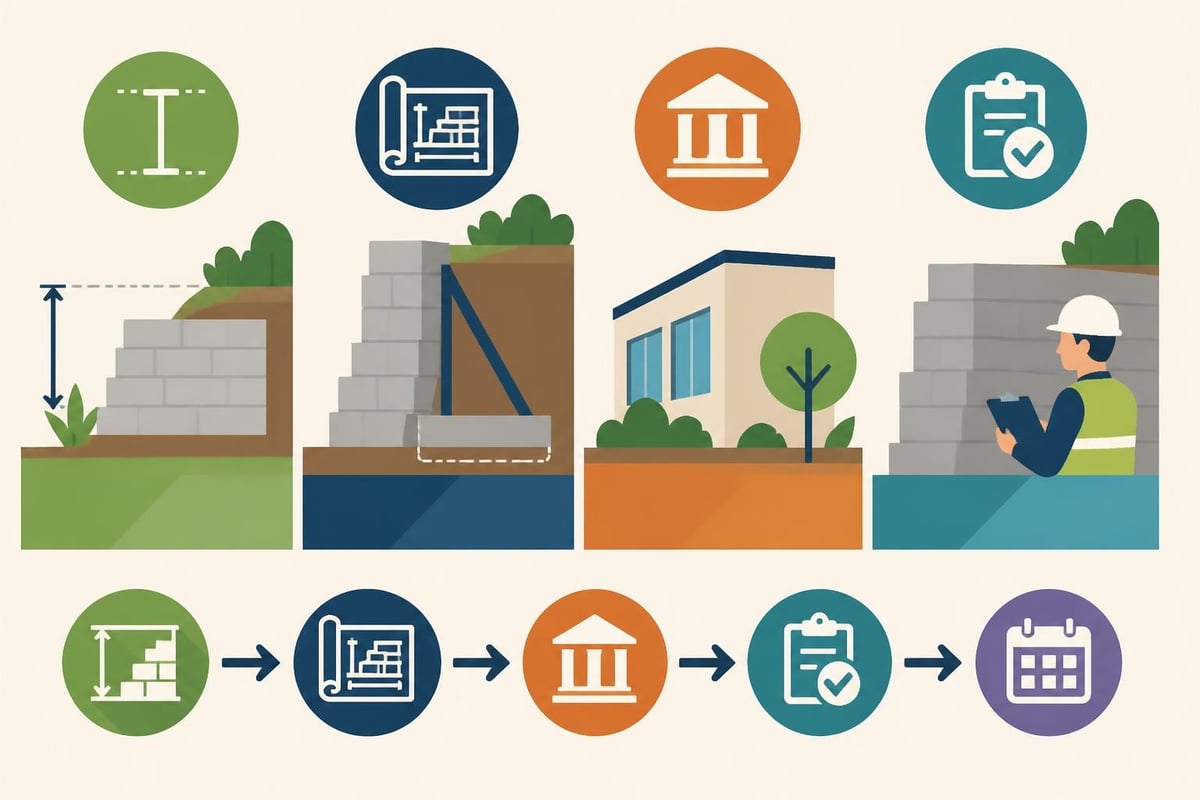
Wall height directly impacts pricing because taller structures require heavier-duty materials, deeper foundations, and often engineered designs with reinforcement. Walls exceeding four feet typically need professional engineering stamps and permits, adding to project costs.
Site accessibility influences labor expenses significantly. Easy access for equipment and materials reduces installation time and effort. Walls requiring hand-carrying of blocks, challenging terrain navigation, or special equipment rental increase costs proportionally.
- Soil conditions requiring extra excavation or stabilization
- Drainage complexity based on water table levels and runoff patterns
- Material quality ranging from basic to premium blocks
- Design elements like curves, steps, or multiple tiers
- Permit requirements and engineering fees for larger projects
What Comprehensive Estimates Should Include
Quality contractors provide detailed written estimates breaking down costs by category. Vague, single-number quotes make it impossible to understand what you're paying for or compare proposals accurately.
Transparent estimates specify:
- Materials with brands, colors, and quantities listed
- Labor costs separated from material expenses
- Excavation and site preparation requirements
- Drainage system components and installation
- Permit fees and engineering costs if applicable
- Timeline with start and completion dates
- Warranty terms covering materials and workmanship
Companies offering hardscape services alongside retaining wall construction often bundle related features like paver patios, walkways, or seating walls. These combinations can provide better overall value than hiring separate contractors for each element.
Permits, Regulations, and Building Code Compliance
Professional retaining wall companies navigate local regulations as part of their service. Building code compliance protects homeowner safety, property values, and legal standing. According to Homebuilding & Renovating’s guide on garden wall regulations, walls meeting certain height thresholds require permits and engineering approval regardless of property ownership.
When Permits Become Necessary
Florida regulations vary by municipality, but general guidelines exist. Most jurisdictions require permits for retaining walls exceeding three to four feet in height measured from the lowest ground level. Walls supporting structures, located near property lines, or situated on slopes often trigger additional requirements.
Engineering requirements apply to taller walls or those bearing significant loads. Licensed engineers calculate proper foundation depth, reinforcement needs, and drainage specifications ensuring structural safety. The Texas Department of Transportation’s retaining wall guidelines outline similar safety considerations applied across many jurisdictions.
A retaining wall company near me familiar with local building departments handles permit applications, engineering coordination, and inspections as part of their service. This expertise saves homeowners significant time and prevents compliance issues that could require costly corrections later.
Property Line Considerations
Setback requirements dictate how close structures can be built to property boundaries. Retaining walls often fall under these regulations, particularly when they alter drainage patterns affecting neighboring properties.
Before construction begins, ensure your contractor verifies property lines and confirms compliance with local setback rules. Disputes over boundary encroachment create legal headaches far exceeding any convenience gained by skipping this verification.
Maintenance Requirements and Long-Term Performance
Even properly constructed retaining walls require periodic maintenance to ensure decades of reliable service. When interviewing contractors, ask about anticipated maintenance needs and how they support clients after installation completes.
Annual Inspection Checklist
Homeowners should examine their retaining walls at least once yearly, particularly after heavy rain events. GrowCycle’s maintenance tips recommend looking for these warning signs:
- Tilting or bulging indicating foundation movement or drainage failure
- Cracking in blocks, mortar joints, or cap stones
- Erosion around the wall base or behind the structure
- Vegetation growth in joints potentially displacing blocks
- Drainage issues like standing water or saturated soil behind the wall
- Settling creating uneven surfaces or gaps between blocks
Early problem detection prevents minor issues from escalating into major structural failures. Small repairs addressing drainage clogs or minor settling cost far less than rebuilding collapsed sections.
Professional Maintenance Services
Quality contractors offer maintenance programs or at minimum provide guidance on proper wall care. Some companies return periodically to inspect drainage systems, clear weep holes, and address minor settling before problems worsen.
Warranties matter significantly when evaluating long-term value. Reputable companies back their work with written warranties covering both materials and labor. A two-year warranty demonstrates contractor confidence in their construction quality and provides homeowners with recourse if defects emerge.
Red Flags When Hiring Contractors
Certain warning signs indicate contractors to avoid regardless of their pricing or promises. Recognizing these red flags protects homeowners from poor workmanship, abandoned projects, or legal complications.
Requests for large upfront payments before work begins often signal financial instability or fraudulent intent. Legitimate contractors request reasonable deposits (typically 10-25%) with remaining payments tied to project milestones or completion.
Additional Warning Signs
Watch for these problematic contractor behaviors:
- Inability or unwillingness to provide proof of licensing and insurance
- Pressure tactics demanding immediate commitment without estimate comparison time
- Exclusively cash payment requirements avoiding financial documentation
- Lack of physical business address or professional communication tools
- Absence of written contracts specifying project scope, timeline, and costs
- Reluctance to obtain necessary permits claiming they're unnecessary
- No references available from recent similar projects
Unlicensed contractors present particular risks. Beyond potential poor workmanship, homeowners may face liability for worker injuries and lack legal recourse for defective work. Licensed professionals maintain standards required by regulatory bodies and carry insurance protecting all parties.
Timeline Expectations and Project Planning
Understanding realistic timelines helps homeowners plan accordingly and identify contractors making unreasonable promises. A retaining wall company near me should provide honest scheduling reflecting project complexity and current workload.
Typical Project Phases
Planning and permitting requires one to four weeks depending on project complexity and municipal processing times. Engineered walls need additional time for design completion and approval. Rushing this phase leads to compliance issues and construction delays later.
| Project Phase | Duration | Key Activities |
|---|---|---|
| Design & Planning | 1-2 weeks | Site evaluation, design development, material selection |
| Permitting | 1-4 weeks | Application submission, engineering review, approval |
| Site Preparation | 1-3 days | Excavation, base grading, utility marking |
| Foundation & Drainage | 2-5 days | Base installation, drainage pipe placement, backfill |
| Wall Construction | 3-10 days | Block placement, reinforcement, backfilling |
| Finishing & Cleanup | 1-2 days | Cap installation, grading, site restoration |
Construction duration varies with wall size, height, design complexity, and weather conditions. Simple residential walls under 100 linear feet typically require one to two weeks from groundbreaking to completion. Larger projects with multiple tiers, curves, or integration with other hardscaping elements may span three to four weeks.
Weather delays occur unavoidably in Central Florida, particularly during summer rainy season. Professional contractors build buffer time into schedules and communicate proactively when conditions force postponements. Companies overpromising unrealistic timelines often cut corners to meet artificial deadlines.
Integration with Overall Landscape Design
Strategic homeowners view retaining walls as elements within comprehensive outdoor living spaces rather than isolated structures. The best retaining wall company near me collaborates on coordinated designs maximizing both functionality and aesthetics across your entire property.
Hardscaping cohesion creates visual harmony when retaining walls complement other outdoor features. Using matching or coordinating materials for walls, patios, walkways, and fire features produces professional, intentional aesthetics far superior to mismatched elements installed piecemeal over time.
Coordinated Outdoor Living Features
Consider how retaining walls interact with:
- Paver patios creating terraced entertaining spaces on sloped properties
- Outdoor kitchens requiring level platforms built into hillsides
- Fire features positioned safely with proper clearances and seating
- Garden beds formed by shorter decorative retaining walls
- Drainage solutions directing water away from structures and living areas
- Artificial turf installation requiring proper grading and erosion control
Multi-phase planning allows budget-conscious homeowners to implement complete visions over time. A contractor experienced in comprehensive hardscaping can design retaining walls accommodating future patio expansions, outdoor kitchen additions, or landscape enhancements without requiring reconstruction or modification.
This forward-thinking approach saves money long-term by avoiding redundant excavation, material waste, and design conflicts between separately planned projects.
Making Your Final Contractor Selection
After researching options, gathering estimates, and checking references, homeowners must synthesize information into a final hiring decision. The cheapest bid rarely represents the best value, while the most expensive doesn't guarantee superior results.
Value assessment balances cost against quality, warranty, reputation, and service comprehensiveness. A mid-range contractor offering excellent communication, proven local experience, strong warranties, and comprehensive drainage systems typically delivers better long-term value than budget companies cutting critical corners.
Decision-Making Framework
Weight these factors in your final evaluation:
- Verified credentials including licensing, insurance, and bonding
- Local reputation demonstrated through reviews and references
- Technical expertise shown through portfolio and material knowledge
- Communication quality during estimate and planning phases
- Warranty coverage protecting your investment long-term
- Detailed documentation providing clear project scope and pricing
- Professional presentation indicating business stability and organization
Gut instinct matters after due diligence is complete. Choose contractors you feel comfortable communicating with and who demonstrate genuine interest in your project success rather than simply closing a sale.
The relationship extends beyond installation through warranty periods and potential future work. Companies like Pink Palm Pavers build reputations through sustained customer relationships rather than transactional interactions.
Regional Considerations for Central Florida Homeowners
Central Florida's unique environmental conditions require specialized knowledge from any retaining wall company near me. Generic construction approaches developed for other climates often fail when applied to our sandy soils, high water tables, and intense weather patterns.
Soil composition throughout the Orlando region consists primarily of sandy substrates with varying degrees of organic content. This composition drains quickly but provides less structural support than clay-based soils found elsewhere. Proper base preparation becomes even more critical to prevent settling and shifting over time.
Climate-Specific Construction Challenges
Hurricane preparedness influences retaining wall design in coastal and near-coastal areas. High winds, storm surge in some locations, and intense rainfall during tropical systems test structural integrity. Walls must incorporate adequate drainage preventing water accumulation that could cause failure during extended rain events.
Seasonal considerations affect project scheduling. Central Florida's summer rainy season from June through September can delay outdoor construction significantly. Many homeowners prefer scheduling retaining wall installation during our drier months from October through May when weather-related delays prove less frequent.
Communities throughout the region face distinct challenges. Properties in Apopka may encounter different soil conditions than those in Deltona, while lots in Heathrow present unique drainage considerations. Contractors with extensive regional experience recognize these variations and adapt techniques accordingly.
Selecting the right retaining wall company near me requires careful evaluation of credentials, experience, and construction approaches rather than simply choosing the lowest bid. Quality contractors demonstrate their expertise through proper licensing, comprehensive drainage systems, transparent pricing, and proven local performance. Whether you're addressing erosion issues, creating functional outdoor living areas, or enhancing property aesthetics, partnering with experienced professionals ensures your investment delivers lasting value. Pink Palm Pavers brings family-owned dedication and licensed expertise to retaining wall projects throughout Central Florida, backed by comprehensive warranties and proven craftsmanship across Orlando, Winter Park, Clermont, Sanford, and surrounding communities.

