

Finding the right retaining wall stone near me can transform a sloping, erosion-prone yard into a structurally sound, attractive outdoor space. Whether you're battling drainage issues, creating terraced planting beds, or building functional hardscape features, the stone you select directly impacts durability, appearance, and overall project cost. In Central Florida, where sandy soil, heavy rainfall, and heat present unique challenges, choosing locally available materials from reputable suppliers ensures your retaining wall performs well for decades while complementing your home's aesthetic.
Understanding Retaining Wall Stone Options
When searching for retaining wall stone near me, you'll encounter several categories of materials, each with distinct characteristics suited to different applications and budgets.
Natural Stone Varieties
Natural stone offers timeless beauty and exceptional durability. Fieldstone provides an irregular, rustic appearance that works beautifully in traditional or cottage-style landscapes. Limestone delivers a smooth, uniform look with warm earth tones that complement Florida architecture. Granite brings unmatched strength and a refined appearance, though it typically commands a higher price point. Sandstone offers excellent workability and a range of colors from tan to reddish-brown.
According to This Old House’s comprehensive guide on retaining wall materials, natural stone walls can last over 100 years with proper installation, making them an excellent long-term investment despite higher upfront costs.
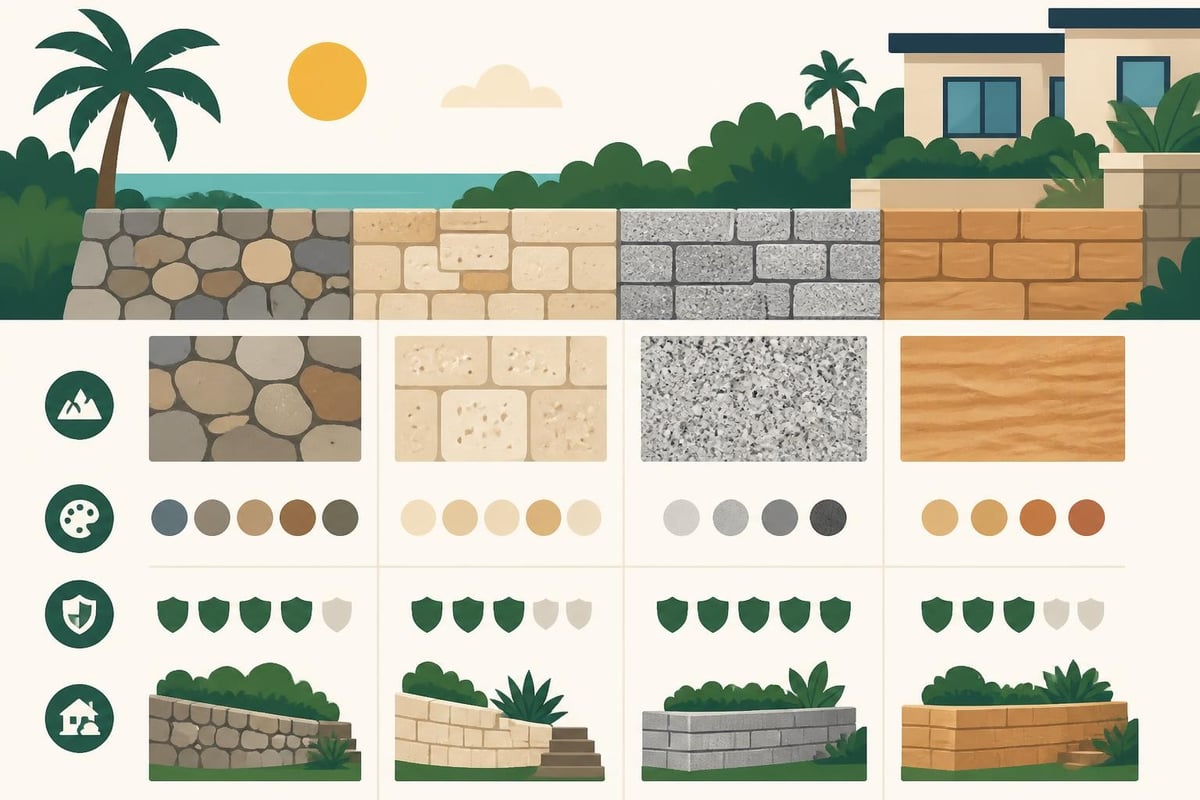
Manufactured Stone Products
Manufactured retaining wall blocks have evolved significantly, offering engineered strength and interlocking designs that simplify installation. Companies like Basalite Concrete Products and Nitterhouse Masonry produce segmental retaining wall systems designed specifically for residential applications. These products combine affordability with consistent sizing, built-in drainage features, and a wide range of colors and textures that mimic natural stone.
Key advantages of manufactured blocks include:
- Standardized dimensions for predictable installation
- Engineered setback angles for structural stability
- Hollow cores that reduce weight and improve drainage
- Factory-applied color that won't fade or chip
- Lower material and labor costs compared to natural stone
Evaluating Local Suppliers and Material Quality
The search for retaining wall stone near me should prioritize suppliers who understand regional soil conditions, climate challenges, and building codes specific to Central Florida.
What to Look for in a Stone Supplier
Quality suppliers maintain diverse inventory, provide detailed product specifications, and offer expert guidance on material selection. Visit their yards personally to inspect stone quality, color consistency, and sizing variations. Ask about sourcing-locally quarried materials typically cost less due to reduced transportation expenses and better suit the regional aesthetic.
Questions to ask potential suppliers:
- What stone types perform best in sandy, well-draining soil?
- Do you offer delivery within my project timeline?
- Can you provide material quantity estimates based on wall dimensions?
- What warranty or quality guarantees accompany your products?
- Do you stock complementary materials like capstones and adhesives?
Assessing Stone Grade and Suitability
Not all stone labeled for retaining walls meets the same standards. Harbor Soils’ rockery stone guide emphasizes checking for consistent thickness, minimal cracking, and appropriate surface texture that promotes mortar adhesion or dry-stacking stability. For walls exceeding three feet in height, structural engineering may be required, making stone strength ratings critically important.
| Stone Type | Compressive Strength | Freeze-Thaw Resistance | Cost per Sq Ft | Best Application |
|---|---|---|---|---|
| Granite | Excellent (19,000+ psi) | Superior | $15-30 | Tall walls, heavy loads |
| Limestone | Good (7,000-9,000 psi) | Moderate | $8-18 | Garden walls, terracing |
| Sandstone | Fair (6,000-8,000 psi) | Good | $10-20 | Medium-height walls |
| Fieldstone | Variable | Good | $12-25 | Natural, rustic designs |
In Florida's climate, freeze-thaw resistance matters less than moisture resistance and UV stability. Prioritize stones that won't deteriorate under constant sun exposure or absorb excessive water during rainy season.
Planning Your Retaining Wall Project
Before purchasing retaining wall stone near me, thorough planning ensures you order the correct quantity, select appropriate materials, and understand installation requirements.
Calculating Material Quantities
Accurate measurements prevent costly shortages or excess material. Measure wall length, planned height, and depth at multiple points to account for grade variations. Most suppliers calculate stone quantities in square feet of wall face, but also consider base material, backfill aggregate, and drainage components.
Basic calculation steps:
- Multiply wall length by height to determine square footage
- Add 10-15% for cutting waste and breakage
- Calculate base stone or gravel for foundation (typically 6-12 inches deep)
- Determine drainage aggregate volume behind the wall
- Count capstones separately based on wall top length
For complex projects, professional contractors often provide more accurate estimates by accounting for curves, steps, and tiered designs.
Understanding Installation Methods
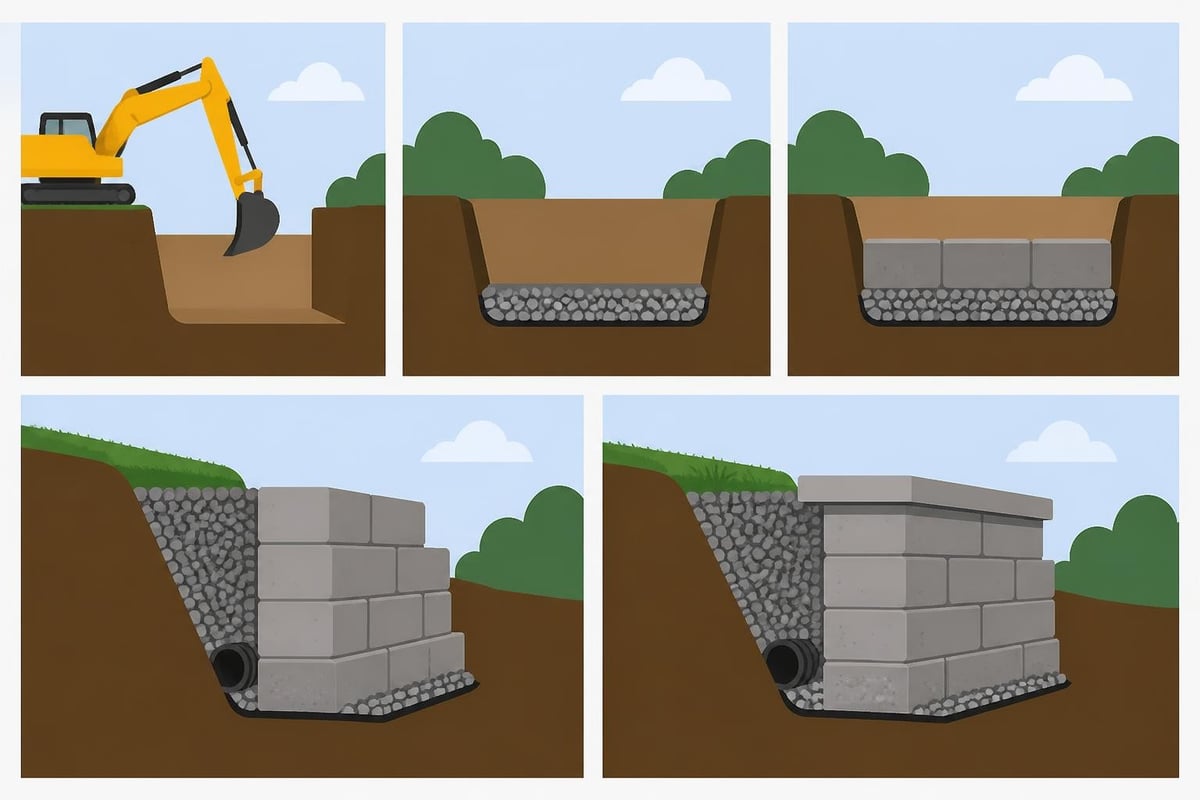
Your choice of retaining wall stone near me influences construction technique. Dry-stacked walls use gravity and friction without mortar, suitable for walls under three feet. Adam Ross Cut Stone provides detailed guidance on selecting and installing dry-stack stones, emphasizing proper stone selection and placement techniques for long-term stability.
Mortared walls offer greater height capacity and resistance to lateral pressure but require skilled masonry work and proper drainage installation. For professional hardscape construction including retaining walls, Pink Palm Pavers’ hardscape services deliver structurally sound, visually striking installations designed for Florida's unique conditions.
Regional Considerations for Central Florida
Finding retaining wall stone near me in the Orlando area requires understanding how local conditions affect material performance and availability.
Climate and Soil Challenges
Central Florida's sandy soil drains quickly but provides minimal lateral support, making wall foundation preparation critical. Heavy summer rainfall can saturate backfill, creating hydrostatic pressure that destabilizes poorly designed walls. UV exposure year-round can fade certain stone types, particularly those with surface-applied color treatments.
Florida-specific design features:
- Deeper gravel bases to compensate for loose sand substrates
- Enhanced drainage systems with perforated pipes and gravel backfill
- UV-resistant sealants for porous stone types
- Wider footings to distribute weight across unstable soil
- Regular maintenance inspections after major storm events
Homeowners in Winter Park, Apopka, and Clermont face similar challenges and benefit from working with contractors familiar with these regional requirements.
Local Code Requirements
Many Central Florida municipalities require permits for retaining walls exceeding 30 inches in height. Building departments review drainage plans, setback distances from property lines, and structural calculations for taller installations. Before purchasing materials, verify local requirements to avoid costly redesigns or compliance issues.
Cost Factors and Budget Planning
When researching retaining wall stone near me, understanding the full cost picture helps you make informed decisions that balance quality, appearance, and affordability.
Material Cost Breakdown
Natural stone typically ranges from $8 to $30 per square foot for the stone itself, with premium varieties like granite and fieldstone at the higher end. Manufactured blocks generally cost $3 to $15 per square foot, offering significant savings for budget-conscious homeowners. However, total project costs include delivery, base materials, drainage components, and labor.
Additional material expenses:
- Crushed stone base: $40-60 per ton
- Drainage gravel: $45-70 per cubic yard
- Geotextile fabric: $0.50-1.50 per square foot
- Capstones: $10-40 per linear foot
- Adhesives and sealants: $50-150 per project
Herrington’s wall stone selection demonstrates how material choice directly impacts budget, with options ranging from economical fieldstone to premium cut granite.
Labor and Installation Costs
Professional installation adds $15 to $50 per square foot depending on wall complexity, height, and access challenges. DIY installation can reduce costs substantially for smaller projects using manufactured blocks, but complex designs or walls over four feet typically require experienced contractors to ensure structural integrity and drainage performance.
| Wall Height | DIY Difficulty | Professional Cost Range | Timeline (Professional) |
|---|---|---|---|
| 1-2 feet | Beginner-friendly | $1,500-3,500 | 1-2 days |
| 2-3 feet | Moderate | $3,000-7,000 | 2-4 days |
| 3-4 feet | Advanced | $6,000-12,000 | 3-7 days |
| 4+ feet | Expert only | $12,000-25,000+ | 1-2 weeks |
Design Considerations and Aesthetic Integration
The best retaining wall stone near me complements your home's architecture, existing landscaping, and personal style preferences while fulfilling functional requirements.
Matching Stone to Home Style
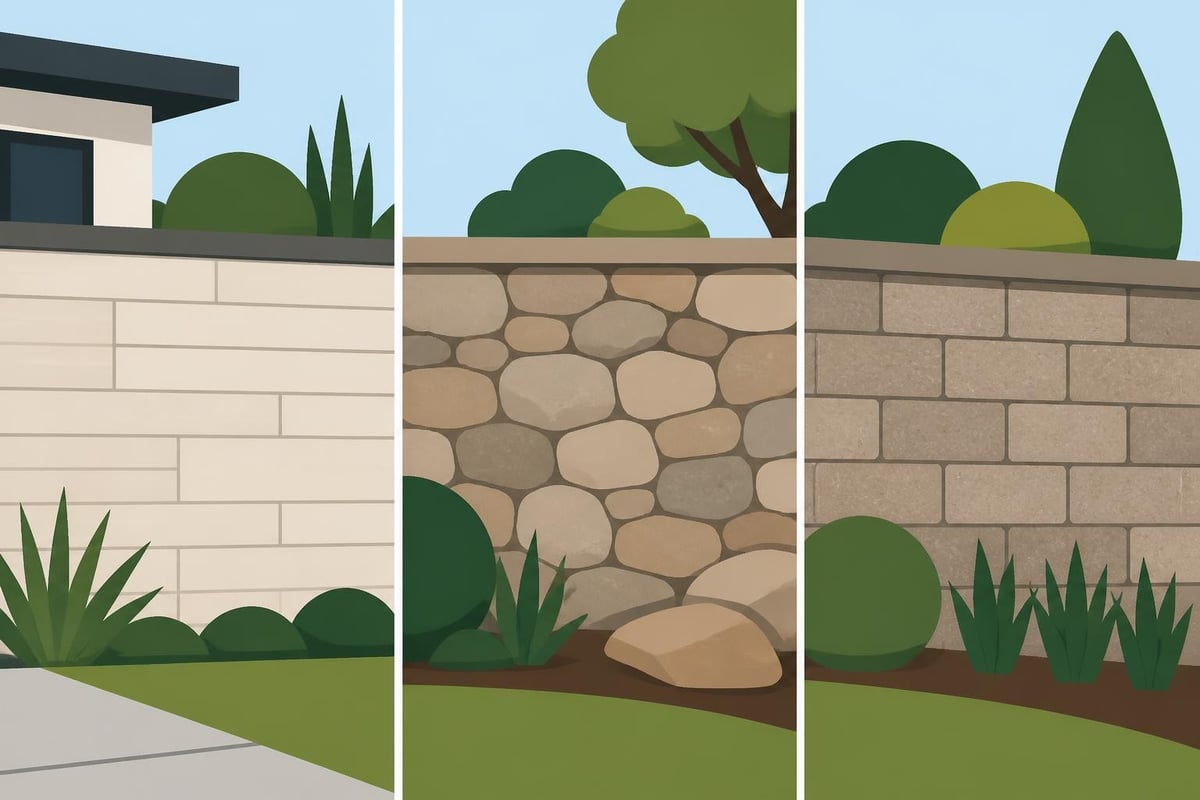
Mediterranean and Spanish Colonial homes pair beautifully with warm-toned limestone or sandstone. Modern contemporary designs benefit from clean-lined granite or manufactured blocks with smooth faces. Traditional and craftsman-style homes showcase natural fieldstone's irregular beauty. Valley Stonescapes highlights how different stone types contribute to overall landscape character.
Style-specific recommendations:
- Coastal Florida homes: Light limestone or coral stone
- Ranch-style properties: Earth-toned sandstone or mixed fieldstone
- Modern architecture: Granite or uniform manufactured blocks
- Tropical landscapes: Natural boulders with planted pockets
- English garden designs: Weathered fieldstone with moss-friendly texture
Creating Multi-Functional Features
Beyond erosion control, retaining walls can incorporate seating areas, planting pockets, built-in lighting, and tiered gardens. Wider capstones create informal seating for entertaining. Recessed pockets between stones accommodate drought-tolerant plants that soften the hardscape. LED lighting integrated during construction enhances nighttime safety and ambiance.
Maintenance and Longevity
Proper maintenance extends the life of your investment and preserves appearance across decades of Florida weather exposure.
Routine Care Requirements
Natural stone walls require minimal maintenance but benefit from annual inspections checking for displaced stones, drainage clogs, or settling issues. Pressure washing removes surface dirt, algae, and mildew without damaging stone integrity. Resealing porous stone types every 3-5 years protects against moisture penetration and staining.
Annual maintenance checklist:
- Inspect mortar joints for cracks or deterioration
- Clear drainage weep holes of debris
- Remove vegetation growing from wall joints
- Check for signs of leaning or bulging
- Verify backfill drainage remains functional
- Apply sealant to porous stone surfaces
- Adjust landscape lighting fixtures
Addressing Common Issues
Even well-built walls occasionally develop problems. Slight settling during the first year is normal as soil compacts, but significant movement indicates foundation or drainage failures requiring professional assessment. Efflorescence-white mineral deposits on stone faces-typically washes away with water and mild detergent. Persistent drainage issues may require retrofitting additional drainage pipes or adjusting grade behind the wall.
Working with Professional Contractors
For complex projects or walls exceeding three feet, professional contractors bring expertise, equipment, and warranties that justify their cost premium.
Selecting Qualified Installers
Licensed, insured contractors protect you from liability and demonstrate professional standards. Request portfolio photos showing similar projects, particularly those using the retaining wall stone near me you're considering. Check references, read online reviews, and verify proper licensing through state databases. The best contractors provide detailed written estimates, clear timelines, and transparent communication throughout the project.
Red flags to watch for:
- Pressure to make immediate decisions
- Vague or verbal-only estimates
- Lack of insurance documentation
- No physical business address
- Extremely low bids compared to competitors
- Unwillingness to provide references
Understanding Warranties and Guarantees
Reputable contractors warranty their workmanship separately from material warranties provided by manufacturers. Workmanship warranties typically cover 1-3 years and address installation defects, settling, or structural failures. Material warranties vary by product but often guarantee against manufacturing defects for 10+ years. Document all warranty terms in writing before project commencement.
Sustainable and Eco-Friendly Options
Environmental considerations increasingly influence material selection for retaining wall stone near me, with many homeowners prioritizing sustainability alongside aesthetics and function.
Locally Sourced Materials
Choosing stone quarried within 200 miles significantly reduces transportation emissions and costs while supporting regional economies. Florida limestone and regional sandstone offer excellent local options. Some suppliers like Minick Materials specialize in regional stone, providing materials sourced from specific geological formations with consistent characteristics.
Permeable and Eco-Conscious Designs
Incorporating planting pockets, using dry-stack methods that promote drainage, and selecting reclaimed stone reduces environmental impact. Properly designed retaining walls actually benefit ecosystems by preventing erosion, protecting water quality, and creating microclimates that support diverse plant life. Avoid chemical sealants when possible, opting for water-based or natural alternatives that won't leach into surrounding soil.
Making Your Final Selection
After researching retaining wall stone near me, comparing options, and understanding installation requirements, you're ready to make an informed decision that balances budget, aesthetics, and performance.
Prioritizing Your Requirements
List non-negotiable factors like budget limits, height requirements, and aesthetic preferences. Rank secondary considerations such as maintenance level, installation timeline, and warranty coverage. This framework helps you evaluate quotes and proposals objectively when suppliers and contractors present options.
Most successful projects result from realistic budgeting, proper planning, and willingness to invest in quality materials and professional installation when needed. Cutting corners on foundation preparation or drainage components leads to premature failure regardless of stone quality. Conversely, overbuilding with unnecessarily expensive materials wastes money that could enhance other landscape features.
Getting Multiple Quotes
Contact at least three suppliers for material pricing and three contractors for installation estimates. Provide identical specifications to each-wall dimensions, stone type preferences, drainage requirements-to ensure comparable proposals. The lowest bid isn't always the best value, particularly if it omits critical components like adequate base preparation or proper drainage installation.
For homeowners throughout Central Florida’s service areas, from Sanford to Orlando, working with established local contractors familiar with regional conditions ensures results that withstand Florida's unique climate challenges while enhancing property value and outdoor livability.
Selecting the right retaining wall stone near me requires balancing material quality, aesthetic preferences, budget constraints, and installation expertise to create durable, attractive landscape features. Whether you're controlling erosion, creating terraced gardens, or adding functional outdoor living space, the investment in quality materials and proper construction pays dividends in longevity and curb appeal. Pink Palm Pavers brings licensed, insured craftsmanship and a 2-year warranty to every hardscape project throughout Central Florida, helping homeowners transform challenging landscapes into beautiful, structurally sound outdoor spaces built to last.

