

Sand driveways represent one of the most traditional and economical approaches to creating a vehicle access point for residential properties. While modern homeowners typically gravitate toward asphalt, concrete, or paver installations, sand driveways continue to serve specific purposes in certain landscapes and climates. Understanding the practical applications, limitations, and maintenance requirements of sand driveways helps homeowners make informed decisions about their hardscaping investments. For Central Florida residents dealing with unique soil conditions, drainage challenges, and intense weather patterns, evaluating whether a sand-based surface can deliver long-term performance requires careful consideration of regional factors and available alternatives.
Understanding Sand Driveway Construction
Sand driveways consist primarily of coarse sand materials compacted to create a semi-stable driving surface. Unlike gravel driveways that incorporate crushed stone, sand driveways rely on finer granular materials that compact differently under vehicle weight and weather exposure.
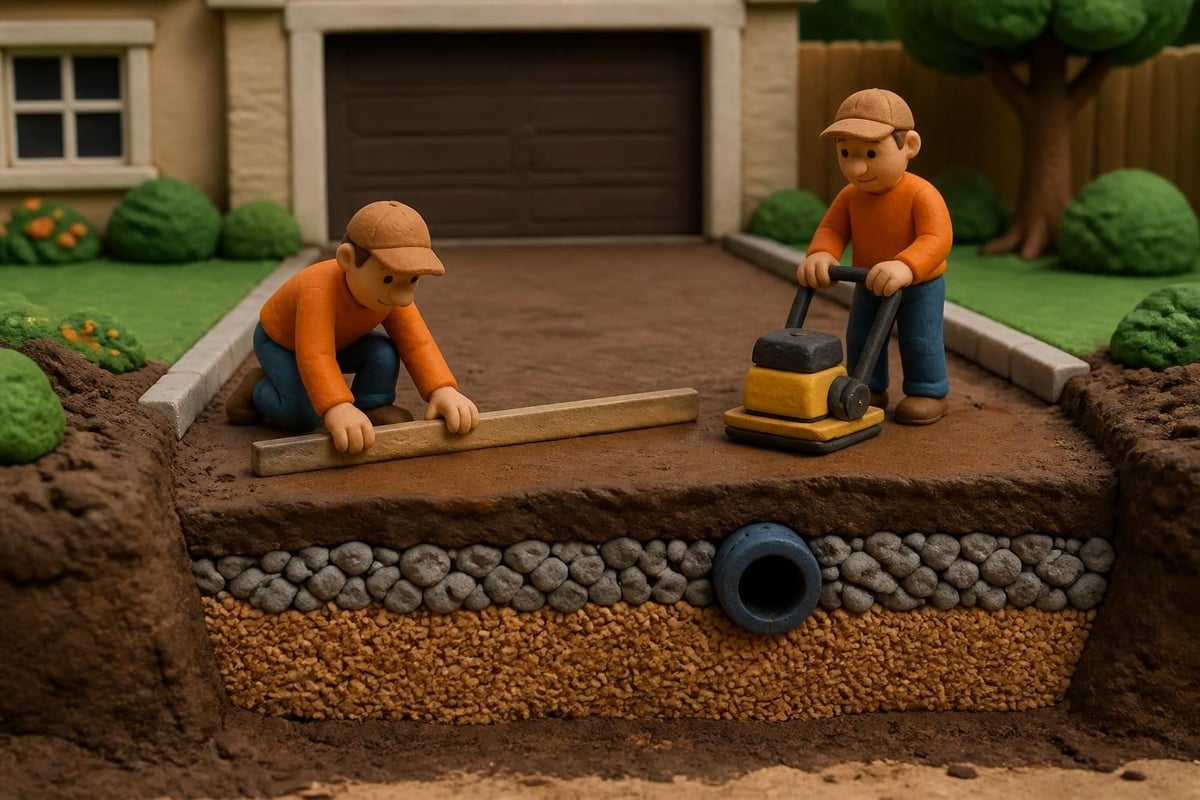
The construction process begins with site preparation, where existing vegetation and topsoil are removed to establish a stable base. Proper grading ensures water flows away from structures and doesn't pool on the driveway surface. The sand layer typically ranges from four to six inches deep, depending on expected vehicle traffic and soil conditions beneath.
Key construction considerations include:
- Base preparation and soil stabilization
- Drainage planning to prevent washout
- Sand quality and grain size selection
- Compaction techniques and equipment
- Edge restraints to contain materials
- Crown or slope design for water runoff
Compaction represents the most critical phase of sand driveway installation. Without adequate compaction, the surface remains loose and prone to rutting, displacement, and rapid deterioration. Professional installers use plate compactors or vibratory rollers to achieve density levels that support vehicle weight while maintaining permeability.
Environmental Considerations of Sand Materials
The global demand for sand has created significant environmental challenges that extend far beyond driveway applications. According to the World Economic Forum, sand extraction has devastating impacts on river ecosystems, coastal areas, and wildlife habitats. This reality affects pricing, availability, and the ethical implications of choosing sand-based hardscaping materials.
Sand mining operations disrupt natural sediment flows in waterways, leading to erosion, habitat destruction, and water quality degradation. Stanford University researchers have documented how ocean sand extraction threatens marine ecosystems and coastal stability. These environmental costs factor into responsible hardscaping decisions, particularly for homeowners who prioritize sustainability.
Florida-Specific Sand Sourcing
Central Florida's sand resources come primarily from inland deposits rather than coastal or river extraction. Local quarries and mining operations provide construction-grade sand that meets specifications for various applications, including temporary access roads and certain landscape features.
However, the ecological footprint of sand extraction remains relevant. Responsible suppliers implement reclamation practices, but the cumulative environmental impact of sand-based construction materials continues growing as development expands across Florida's urban corridors from Orlando to Winter Park.
Performance Challenges in Florida Climate
Sand driveways face unique challenges in Central Florida's subtropical environment. The region's intense rainfall, hurricane-force winds, and temperature fluctuations test the durability of any sand-based surface.
| Challenge | Impact on Sand Driveways | Severity Level |
|---|---|---|
| Heavy Rainfall | Washout, rutting, displacement | High |
| Wind Events | Material loss, uneven surface | Moderate |
| Heat Exposure | Loose surface, dust generation | Moderate |
| Root Intrusion | Surface disruption, unevenness | High |
| Vehicle Traffic | Ruts, displacement, maintenance needs | High |
Florida's average annual rainfall exceeds 50 inches in most Central Florida counties, with summer months bringing daily afternoon thunderstorms. This moisture creates persistent drainage issues for sand driveways, as water channels through the permeable surface and potentially undermines the base layer beneath.
Tropical Storm and Hurricane Impacts
Hurricane season presents the most severe threat to sand driveway integrity. Storm surge, wind-driven rain, and sustained high winds can completely redistribute sand materials, essentially destroying the driveway in a single weather event. Post-storm recovery requires extensive regrading, material replenishment, and recompaction-costs that accumulate over the years.
Homeowners in flood-prone areas or low-lying properties face additional complications. Sand driveways offer no resistance to water flow, meaning rising water levels wash materials away entirely. This vulnerability makes sand driveways impractical for properties in designated flood zones or areas with poor natural drainage.
Maintenance Requirements and Long-Term Costs
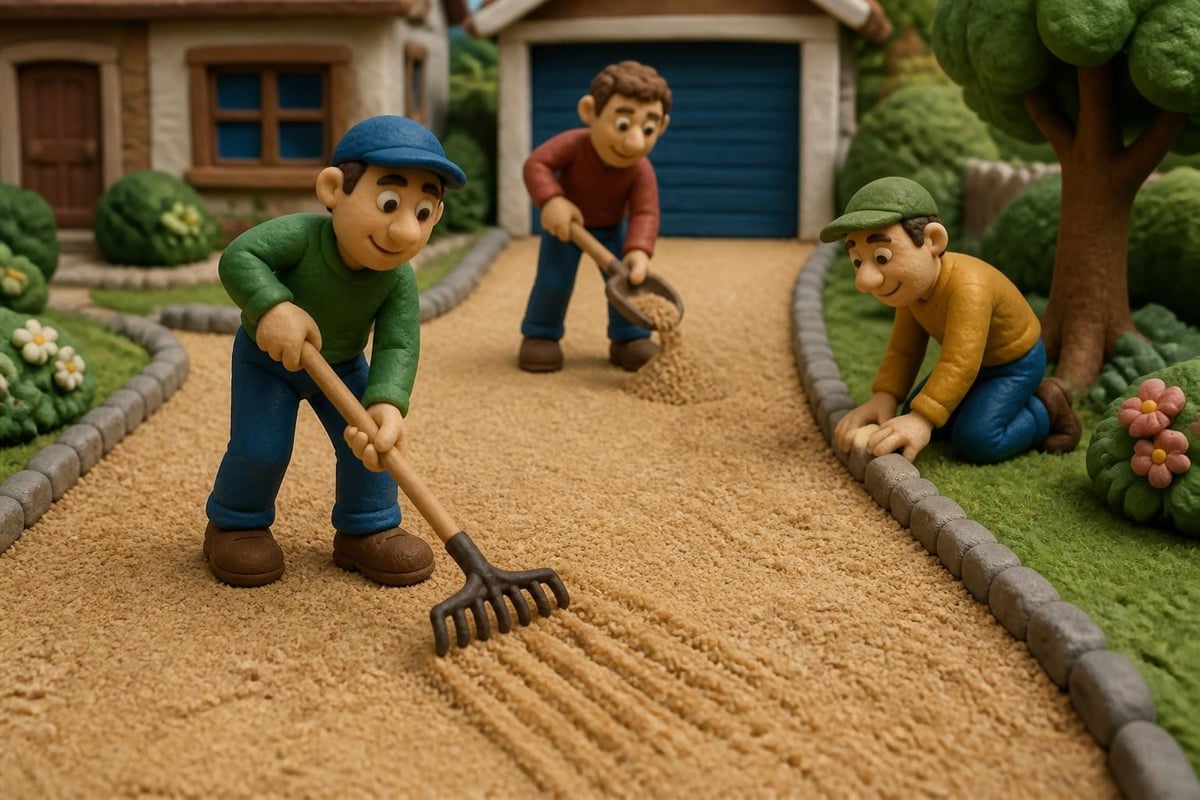
Sand driveways demand significantly more maintenance than hardscaped alternatives. Understanding the ongoing time and financial investments helps homeowners calculate true ownership costs beyond initial installation savings.
According to comprehensive maintenance guides, granular driveways require consistent attention to remain functional and attractive. While these guides focus on gravel, sand surfaces demand even more frequent intervention due to their finer particle size and greater susceptibility to displacement.
Regular maintenance tasks include:
- Weekly raking to redistribute displaced sand
- Monthly edge definition and border restoration
- Quarterly material replenishment in high-traffic areas
- Semi-annual grading to restore proper crown and drainage
- Annual comprehensive resurfacing and compaction
- Weed control and vegetation management
The labor-intensive nature of sand driveway maintenance often surprises homeowners who initially choose this option for its low installation cost. A typical 20-foot by 40-foot driveway requires 15-20 hours of maintenance annually, not including material costs for replenishment sand.
Material Replenishment and Cost Analysis
Sand driveways lose material continuously through displacement, wind erosion, and adhesion to vehicle tires. Homeowners should budget for replacing approximately 15-20% of surface material annually under normal use conditions. High-traffic driveways or properties experiencing severe weather events may require even greater replenishment.
At current Central Florida pricing, bulk sand costs between $30-50 per cubic yard delivered. A standard residential driveway might require 3-5 cubic yards annually for maintenance, creating recurring costs of $150-250 per year before accounting for labor.
Comparing Sand Driveways to Alternative Solutions
When evaluating driveway options for Florida properties, comparing sand against proven alternatives reveals significant performance gaps that impact long-term satisfaction and property value.
Sand vs. Gravel Driveways
Gravel driveways outperform sand in virtually every practical category. Professional installation guides demonstrate how crushed stone creates interlocking structures that resist displacement and provide superior vehicle support. The larger aggregate size in gravel reduces migration, minimizes dust, and creates a more stable driving surface.
Gravel driveways also demonstrate better longevity. Research on gravel driveway lifespan indicates properly installed and maintained gravel surfaces can last 100+ years with appropriate care, while sand driveways rarely maintain acceptable condition beyond 3-5 years without major interventions.
Sand vs. Paver Systems
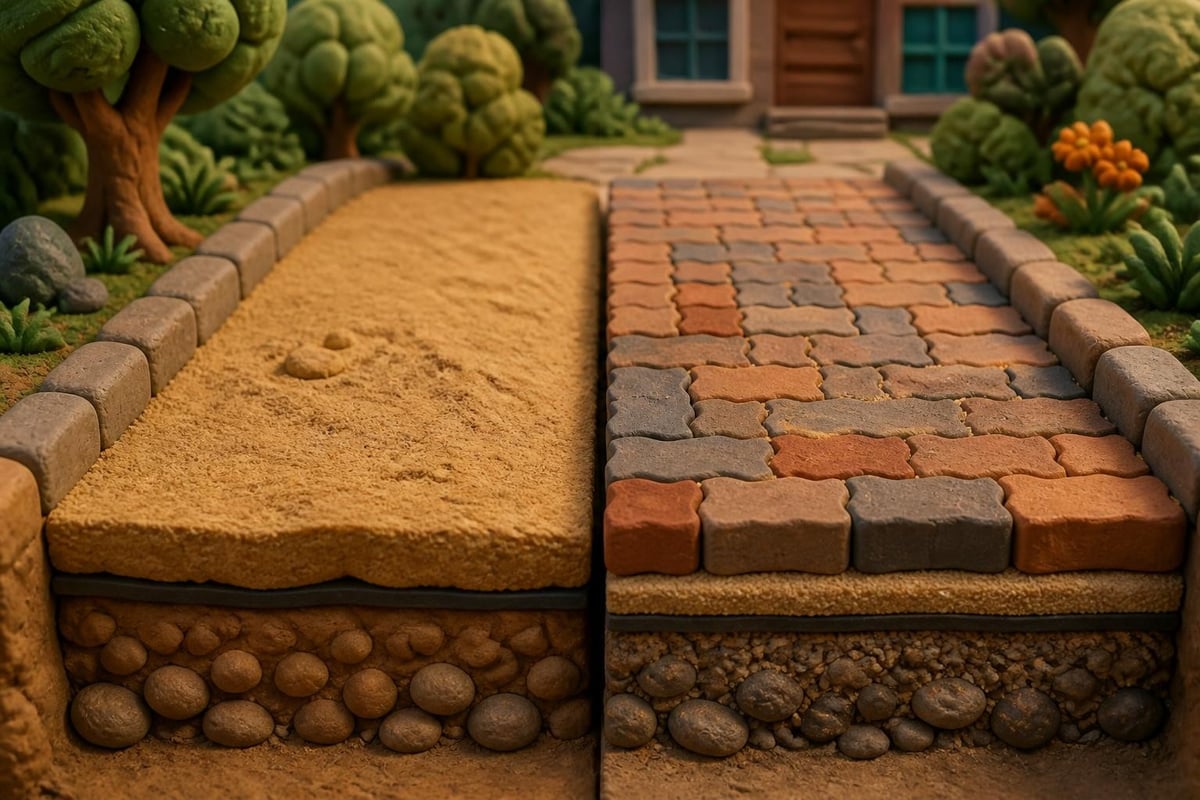
Paver driveways represent a premium alternative that eliminates the fundamental weaknesses inherent in loose aggregate surfaces. Interlocking pavers provide structural integrity, design flexibility, and exceptional durability in Florida's challenging climate.
| Feature | Sand Driveways | Paver Driveways |
|---|---|---|
| Initial Cost | Low ($2-3/sq ft) | Moderate ($12-20/sq ft) |
| Lifespan | 3-5 years | 25-50+ years |
| Maintenance | High (weekly) | Low (annual) |
| Weather Resistance | Poor | Excellent |
| Load Capacity | Limited | Superior |
| Property Value Impact | Minimal | Significant |
| Appearance Options | Limited | Extensive |
Professional paver installation creates a permanent hardscape solution that withstands Florida's weather extremes while enhancing property aesthetics and resale value. The initial investment difference becomes negligible when calculated across the lifespan of each option.
Interestingly, modern paver systems incorporate sand in a supporting role rather than as the primary surface material. Polymeric sand for driveways fills joints between pavers, creating a stabilized surface that resists weed growth, insect intrusion, and material loss while maintaining the flexibility needed for ground movement and drainage.
Specialty Applications Where Sand Driveways Excel
Despite their limitations for permanent residential use, sand driveways serve specific temporary or specialty applications effectively. Understanding these appropriate use cases prevents misapplication while recognizing sand's legitimate role in certain scenarios.
Temporary construction access roads often utilize sand surfaces when heavy equipment needs to traverse sensitive areas. The permeable nature prevents groundwater contamination while supporting short-term vehicle traffic. Once construction completes, the sand can be removed or repurposed without leaving permanent environmental impacts.
Agricultural properties sometimes employ sand driveways for secondary access roads or equipment staging areas where permanent hardscaping isn't justified economically. The low initial cost and simple maintenance requirements align with utilitarian farming operations where aesthetics take secondary priority to function.
Beach Properties and Coastal Applications
Properties in immediate coastal areas occasionally incorporate sand driveways as intentional design elements that blend with natural surroundings. In these specific contexts, the loose sand aesthetic complements beach architecture and oceanfront landscapes.
However, even in coastal settings, homeowners across Central Florida increasingly recognize that sand driveways create practical problems that outweigh aesthetic benefits. Tracking sand into homes, vehicle traction issues, and constant maintenance needs prompt most coastal property owners to explore more durable alternatives.
Professional Installation Considerations
Homeowners considering sand driveways should engage qualified contractors familiar with soil conditions, drainage engineering, and regional climate factors. Improper installation creates problems that no amount of maintenance can resolve.
Professional site evaluation identifies subsurface conditions that affect sand driveway viability. Clay-heavy soils retain moisture and prevent proper drainage, causing sand surfaces to become muddy and unstable. Sandy soils beneath the driveway layer may seem ideal but can actually accelerate migration and settling issues.
Drainage engineering represents the most critical professional service in sand driveway projects. Without proper grading, swales, and potentially subsurface drainage systems, even well-compacted sand surfaces fail within months of installation. Contractors must calculate water flow rates based on property topography, rainfall patterns, and soil permeability to design effective drainage solutions.
Edge Restraint Systems
Professional installations incorporate robust edge restraints that contain sand materials and prevent lateral migration. Options include:
- Landscape timbers anchored with rebar stakes
- Concrete or stone border pavers
- Metal edging systems designed for granular surfaces
- Natural stone borders mortared in place
- Poured concrete curbing
Without adequate edge restraints, sand driveways lose definition quickly, blending into surrounding landscapes and requiring constant redefinition. The edge system investment often approaches 30-40% of total project costs but determines whether the driveway maintains its intended boundaries.
Erosion Control and Environmental Management
Sand driveways require active erosion control measures to minimize environmental impact and maintain functionality. Unlike stabilized surfaces, loose sand migrates easily during rain events, potentially entering storm drains, waterways, and neighboring properties.
Vegetation buffers along driveway edges help trap migrating sand before it leaves the property. Strategic placement of ground cover plants, ornamental grasses, or low shrubs creates natural barriers while enhancing landscape aesthetics. These plantings require irrigation and maintenance but provide long-term erosion reduction benefits.
Research on sand fence optimization demonstrates how physical barriers can redirect wind patterns and reduce particle transport. While this research focuses on desert environments, the principles apply to preventing sand driveway material loss during Florida's frequent wind events.
Some homeowners experiment with soil stabilizers or dust suppressants designed for unpaved surfaces. These chemical treatments temporarily bind sand particles together, reducing dust and migration. However, reapplication requirements, environmental concerns about chemical runoff, and variable effectiveness limit their practical value for residential driveways.
Making the Right Driveway Decision for Your Property
Selecting appropriate driveway materials requires balancing initial costs, long-term maintenance, durability expectations, and aesthetic preferences. For most Central Florida homeowners, sand driveways present more challenges than benefits when compared to modern alternatives.
Before committing to a sand driveway installation, consider these essential questions:
- How long do you plan to remain in the property?
- What are your maintenance time and budget constraints?
- Does your property have adequate natural drainage?
- Are you prepared for weather-related damage and repairs?
- How important is property value preservation?
- What are your vehicles' weight and usage patterns?
Honest answers to these questions typically reveal whether sand driveways align with your circumstances or whether investing in more durable solutions delivers better value.
For properties in areas like Clermont, Sanford, or Apopka, where property values continue appreciating and homeowner expectations for quality hardscaping remain high, sand driveways rarely represent optimal solutions. Professional-grade installations using proven materials protect investments while eliminating the constant maintenance burden associated with granular surfaces.
Restoration and Conversion Options
Homeowners currently struggling with deteriorated sand driveways have several paths forward. Complete removal and replacement with permanent hardscaping provides the most comprehensive solution but requires significant investment.
Conversion to gravel represents a middle-ground approach that improves performance without the expense of paver installation. This process involves stabilizing the existing sand base, adding crushed stone aggregate, and implementing proper drainage and edge systems. While gravel driveways still require regular maintenance, they outperform sand surfaces substantially.
For homeowners ready to invest in permanent solutions, paver restoration and maintenance services can transform temporary sand surfaces into beautiful, durable hardscapes. The conversion process includes complete base reconstruction, proper drainage installation, and professional paver placement using materials engineered for Florida's climate.
Partial conversions offer another alternative. High-traffic areas like the main driving lane receive permanent hardscaping while lower-use areas maintain gravel or stabilized surfaces. This phased approach spreads costs over time while immediately improving the driveway's most problematic sections.
Financial Planning for Upgrades
Most homeowners underestimate the cumulative costs of maintaining sand driveways over 5-10 years. When annual maintenance expenses, material replenishment, and occasional major repairs are totaled, the investment often exceeds the cost of installing a permanent solution initially.
Creating a realistic 10-year cost projection helps clarify whether continuing sand driveway maintenance makes financial sense or whether allocating those resources toward a permanent upgrade delivers better value. Include labor costs even if you perform maintenance personally-your time has value that should factor into the calculation.
Sand driveways offer low initial costs but demand continuous maintenance while providing limited durability in Central Florida's challenging climate. Most homeowners discover that investing in proven hardscaping solutions delivers superior long-term value through reduced maintenance, enhanced property aesthetics, and lasting performance. Whether you're planning a new driveway installation or ready to upgrade an existing sand surface, Pink Palm Pavers brings licensed, insured expertise to every Central Florida project. Our family-owned team specializes in creating beautiful, durable outdoor spaces backed by quality craftsmanship and a 2-year warranty-transforming your property with solutions built to last.

